

This website uses cookies
Can we use cookies to make your experience even better? By selecting “Accept”, you’re letting us know you’re okay with all cookies, as explained in our privacystatement.


Citrus: why untreated peel is becoming more relevant
Within the citrus category, post-harvest treatment of the peel with fungicides such as imazalil and thiabendazole is common practice to extend shelf life. In organic production, these substances are not permitted. Studies show that residues of one or more of these substances are frequently found on citrus peel in retail [1]. In addition, research points to potential health effects, including a possible genotoxic impact [2] [3].
Transparency through labelling
European regulations therefore require post-harvest treatments to be stated on the label. In the case of imazalil, an explicit warning is required: ‘peel not suitable for consumption’. This requirement does not apply to lime, grapefruit and pomelo.
Peel as part of consumption
Citrus peel, and lemon peel in particular, is widely used in cooking, for example as zest. Citrus slices are widely used in drinks. Mandarins are a popular fruit, often peeled by hand and eaten directly.

Growing demand for untreated peel
The culinary use of lemon peel is translating into growing demand for untreated fruit. This is reflected in the expansion of organic lemon acreage, including in Spain.


A structural shift in the category
This development shows that, alongside internal quality and shelf life, peel treatment is playing an increasingly visible role within the citrus category.
Eosta supplies organic citrus – including lemons, oranges and limes – year-round, without synthetic peel treatment.
News & releases
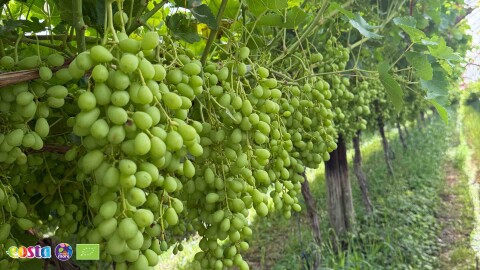
Organic grapes 2026/27: plan ahead to secure volumes
The overseas grape season starts in mid-December, but planning begins now. Demand for organic grapes remains strong and our growers need early visibility on the volumes they can reserve for fixed programmes. By aligning programmes in advance, we can secure organic volumes more effectively and are also in a stronger position to offer competitive pricing.
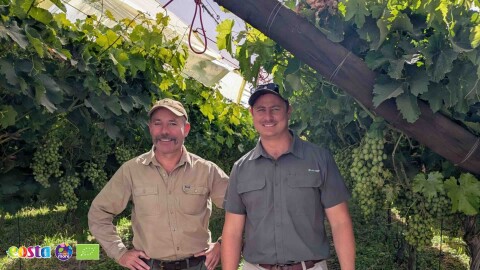
Carpe Diem: quality organic grapes start with the soil
Along the Orange River in South Africa’s Northern Cape lies Carpe Diem, a long-standing and trusted partner for our organic grapes. Owner Gog van der Colff took over the family business in 2000 and made the deliberate decision to switch to organic farming in 2006. What began as a step that not everyone was initially convinced by has developed into a progressive organic farm producing grapes, pecans and raisins.
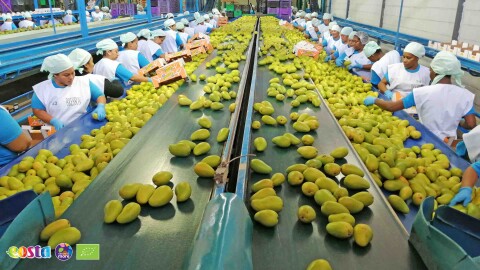
Mango outlook: tighter Peru supply, strong start in Ecuador
El Niño is clearly affecting the South American mango season this year. Higher temperatures and unusual rainfall patterns are disrupting flowering, making availability and harvest timing less predictable.
Copyright © Eosta | Webdesign: Pencilpoint - creatief in vorm & inhoud