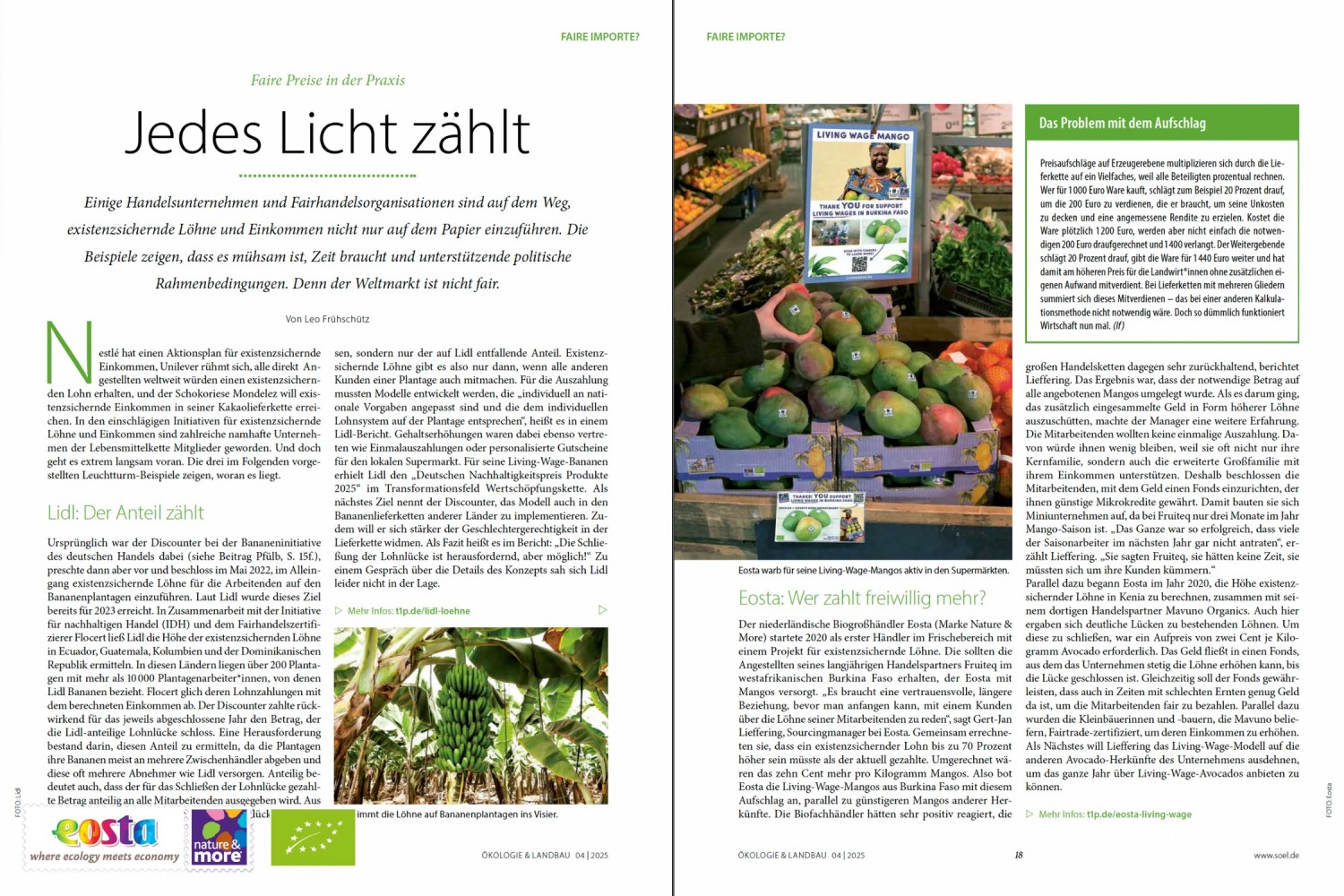
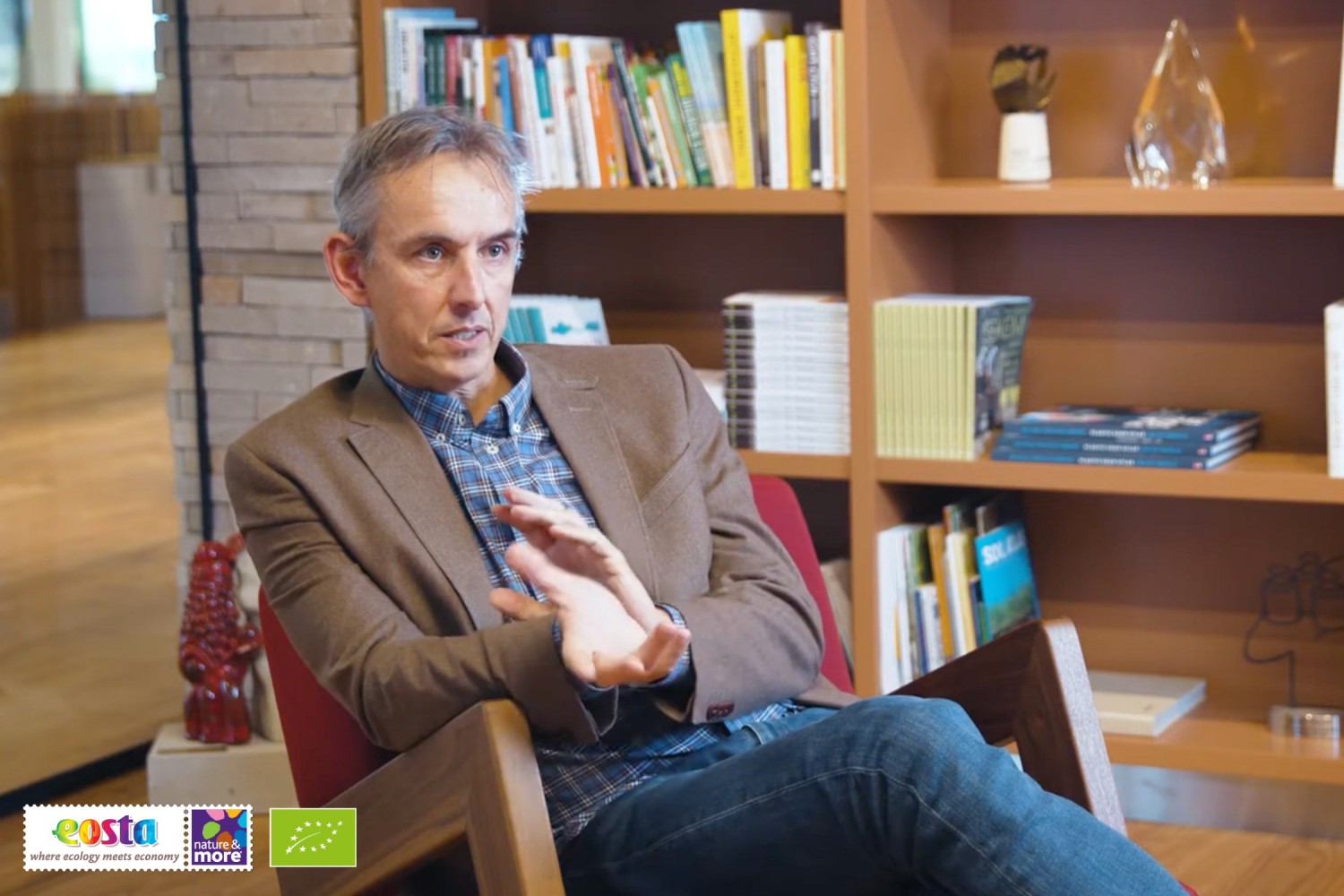
A recent issue of the German trade magazine Ökologie & Landbau featured an extensive article on Living Wage initiatives. Journalist Leo Frühschütz interviewed, among others, Eosta’s Sustainable Sourcing Manager Gert-Jan Lieffering about Eosta’s practical approach.
A recent issue of the German trade magazine Ökologie & Landbau featured an extensive article on Living Wage initiatives. Journalist Leo Frühschütz interviewed, among others, Eosta’s Sustainable Sourcing Manager Gert-Jan Lieffering about Eosta’s practical approach.
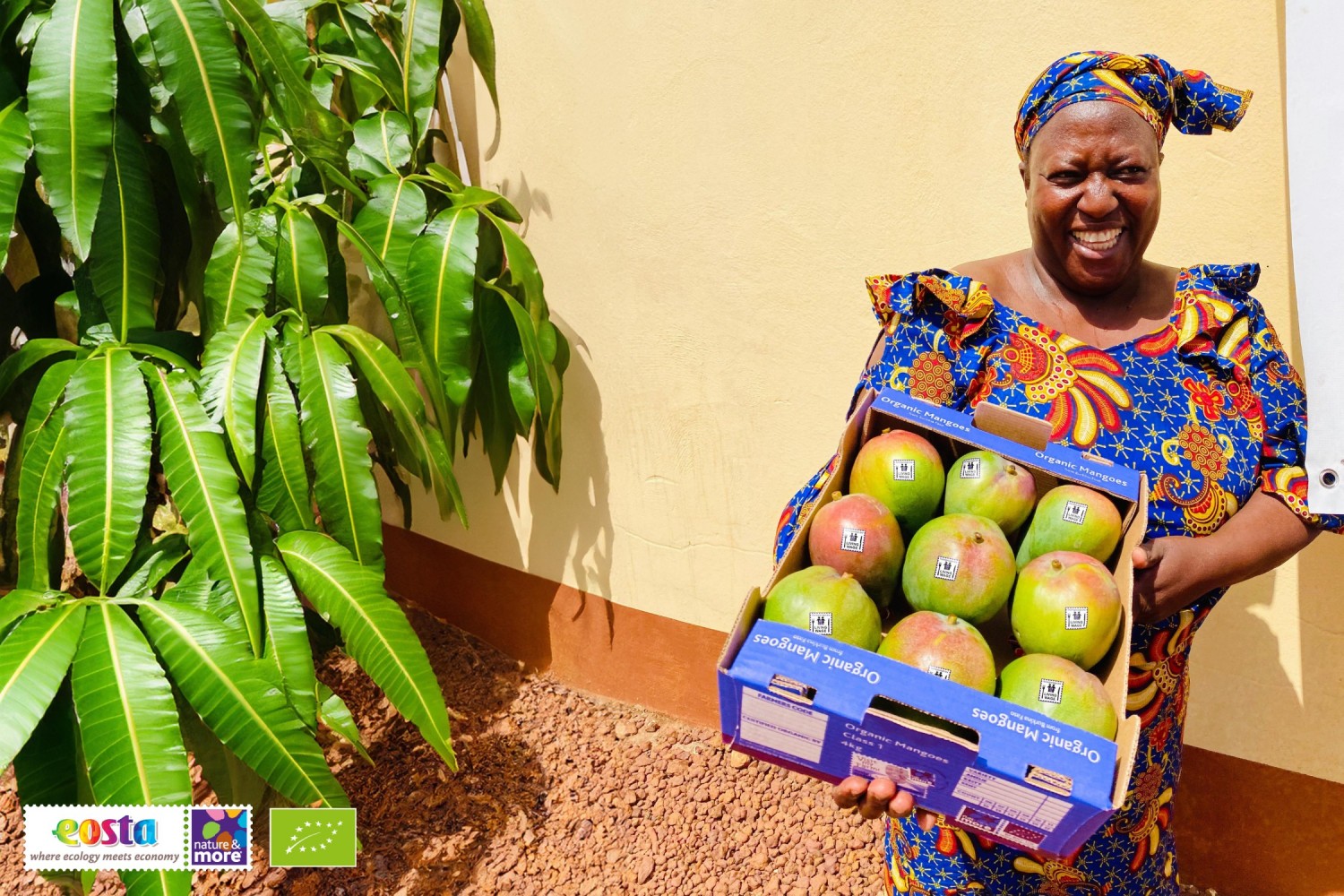
While major food companies such as Nestlé and Unilever mainly focus on developing Living Income policies, Eosta has been putting Living Wages into practice in the organic fresh produce chain since 2020. As the first organic fruit importer to do so, Eosta launched a concrete Living Wage project for mangoes from Burkina Faso, in cooperation with partner Fruiteq.
Trust as a foundation
“You need a relationship of trust before you can discuss workers’ wages with a supplier,” says Gert-Jan Lieffering.
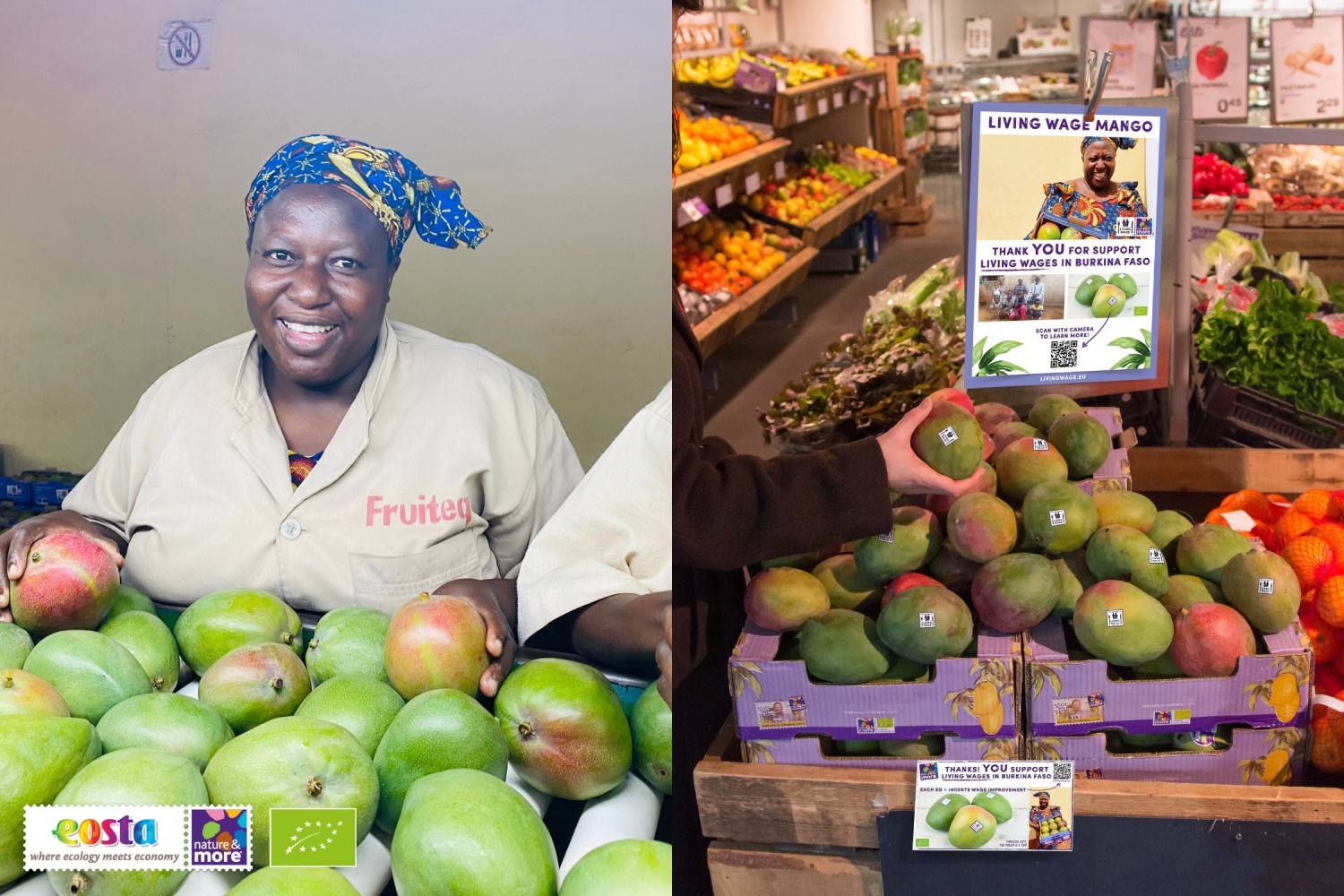
Calculations showed that a Living Wage in Burkina Faso was about 70% higher than the existing wage – equivalent to an additional €0.10 per kilo of mangoes. Eosta offered these Living Wage mangoes with a surcharge, alongside regular organic mangoes. Organic retailers responded positively, while major supermarket chains were more cautious. Eventually, the premium was distributed across all mangoes to establish a Living Wage fund.
A fund that creates opportunities
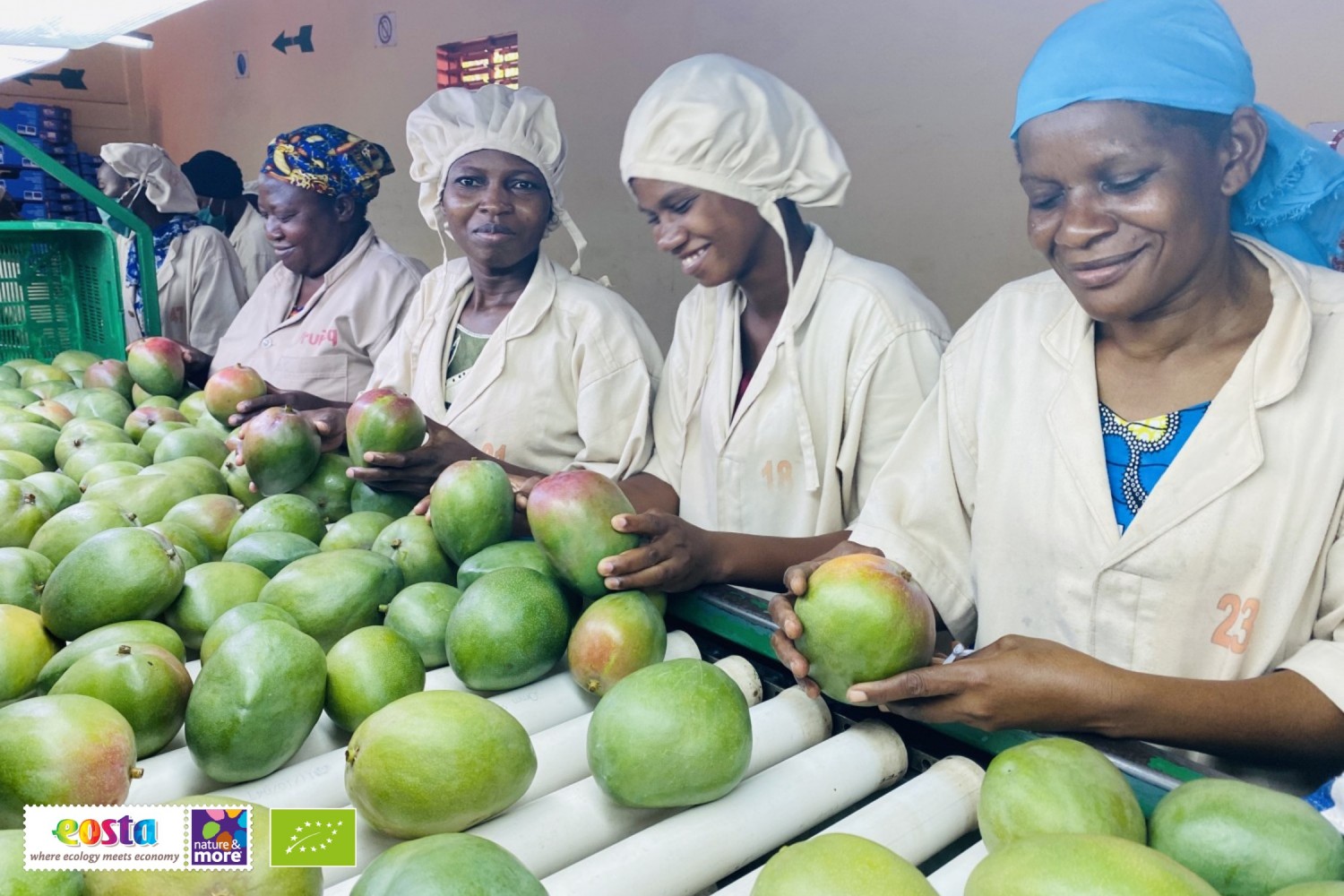
When employees were asked how they wanted to use the premium, they chose to create a microcredit fund rather than receive a direct bonus. This allowed them to start small businesses outside the short mango season. The result was remarkable: many seasonal workers built enough income to continue independently the following year.
Extending to avocados
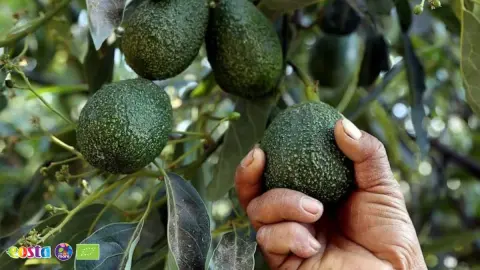
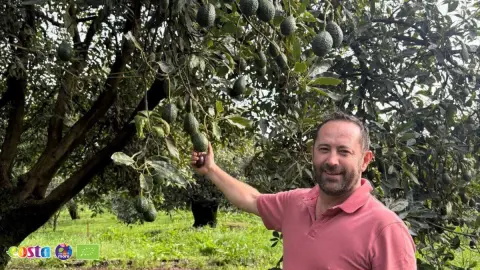
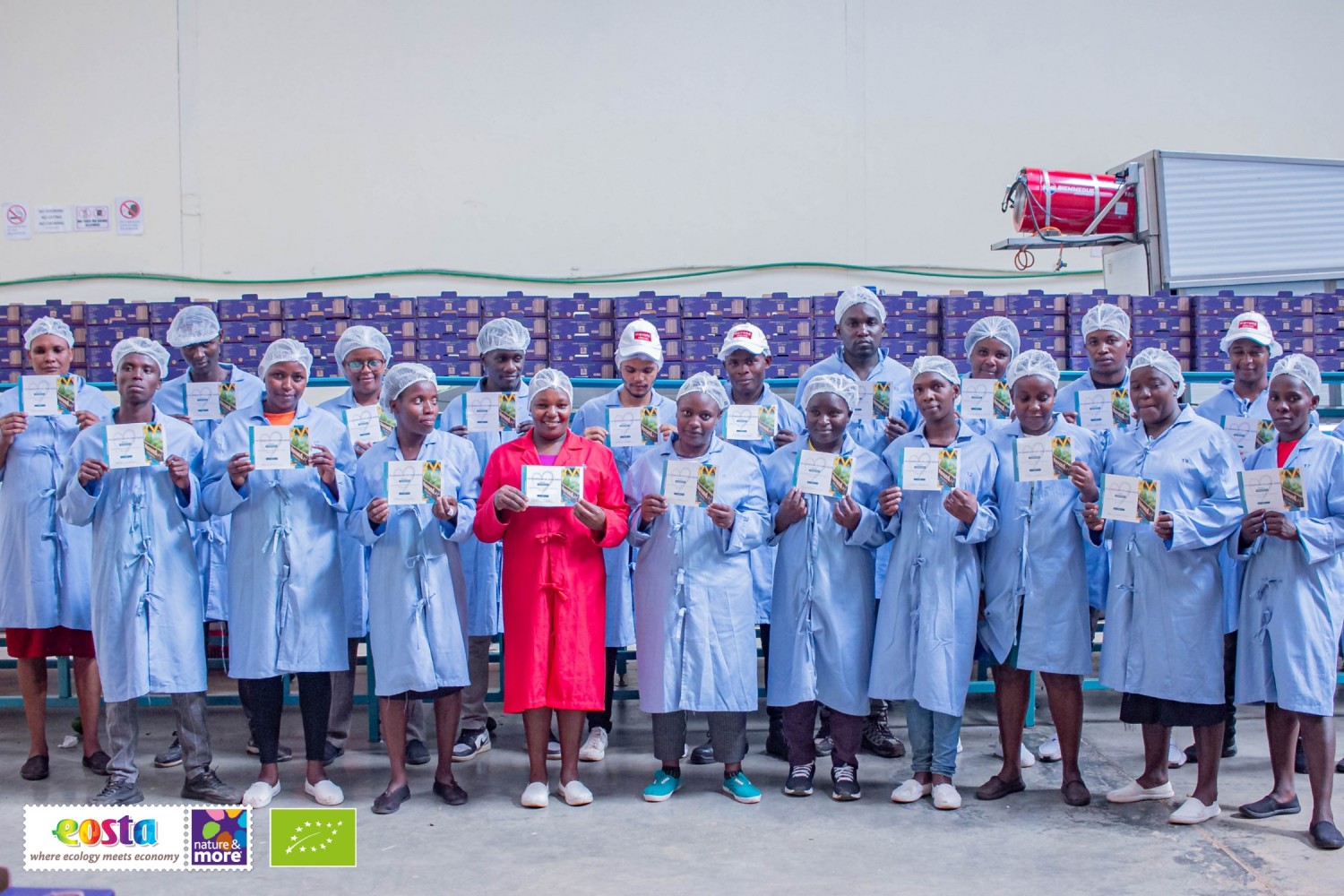
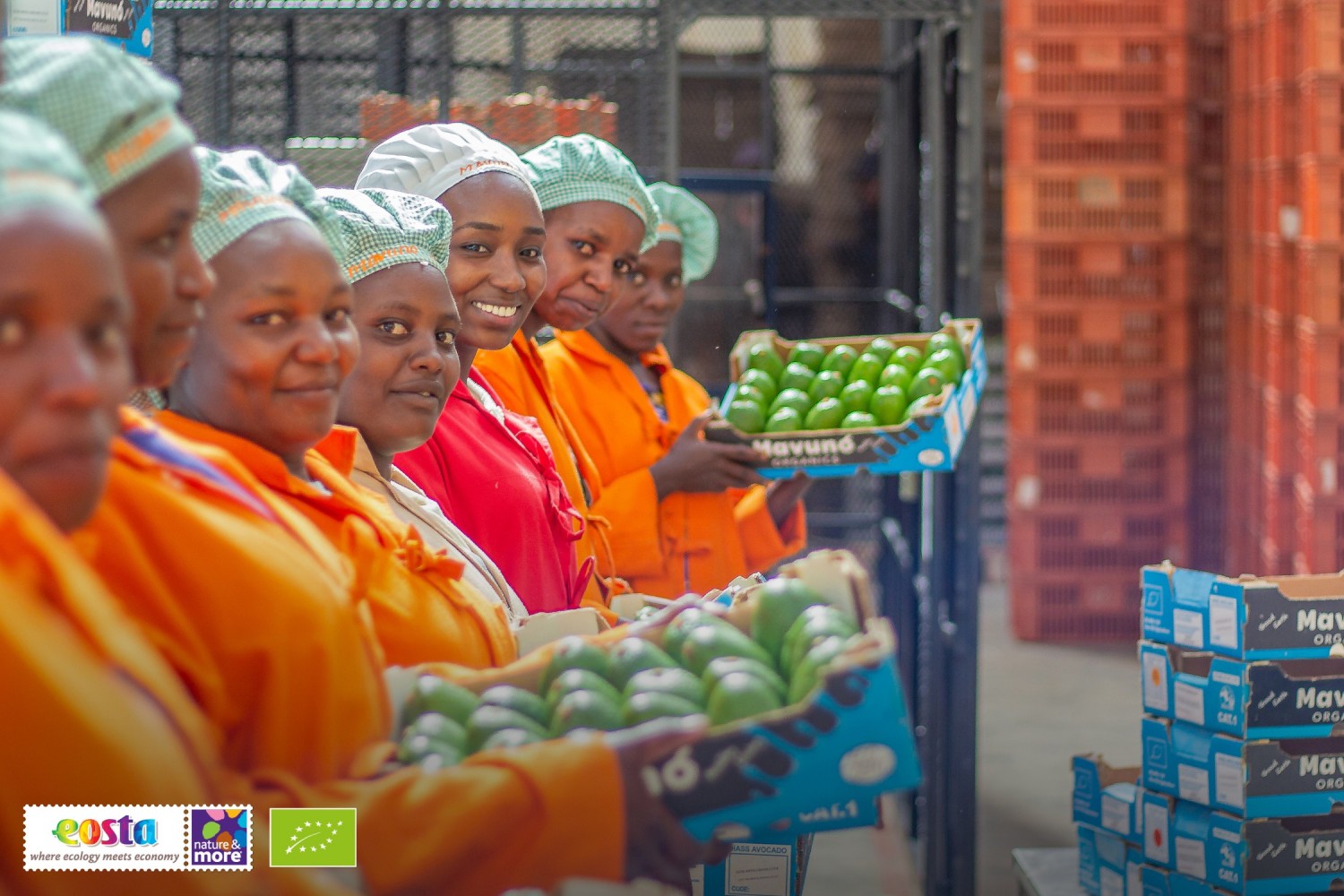
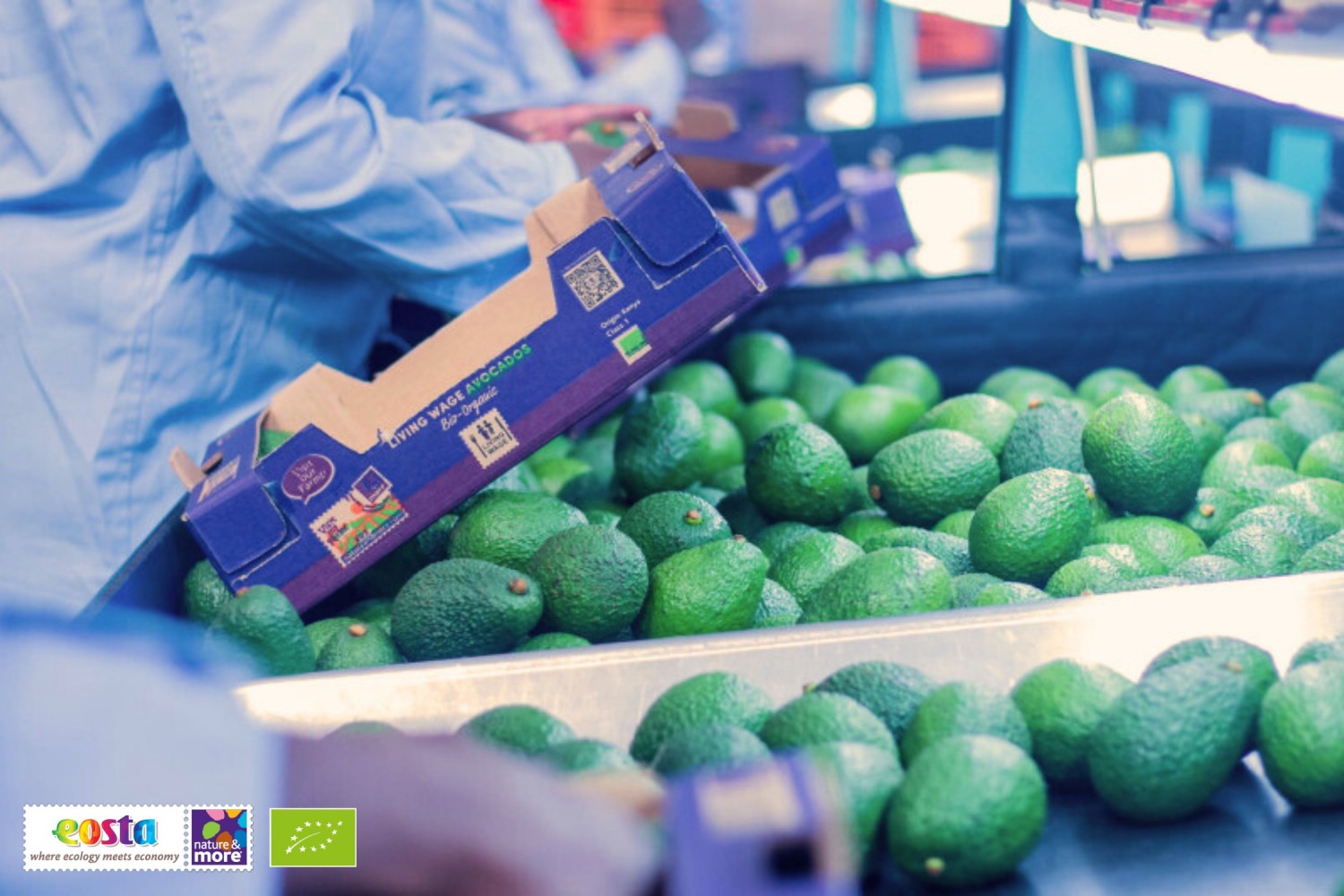
In parallel, Eosta calculated the Living Wage gap for workers at Mavuno Organics in Kenya. There, just €0.02 per kilo of avocados was enough to close the gap. The money flows into a fund that gradually increases wages and provides stability during weaker harvests. In addition, the supplying farmers have been Fairtrade-certified.
The next step is to expand this model to other countries, allowing Eosta to offer Living Wage avocados year-round.
Lessons from practice
The article highlights how complex – yet achievable – closing the wage gap can be. While many companies remain at the policy stage, Eosta demonstrates that transparency, collaboration and trust are key to making real impact throughout the supply chain.
More information about the journal Ökologie & Landbau can be found on its website.