A large-scale European study shows that pesticides are widespread in our environment and in humans. The SPRINT project, coordinated by Wageningen University (NL), makes it clear that a fundamental change in agriculture is inevitable.
A large-scale European study shows that pesticides are widespread in our environment and in humans. The SPRINT project, coordinated by Wageningen University (NL), makes it clear that a fundamental change in agriculture is inevitable.
Research in 11 countries
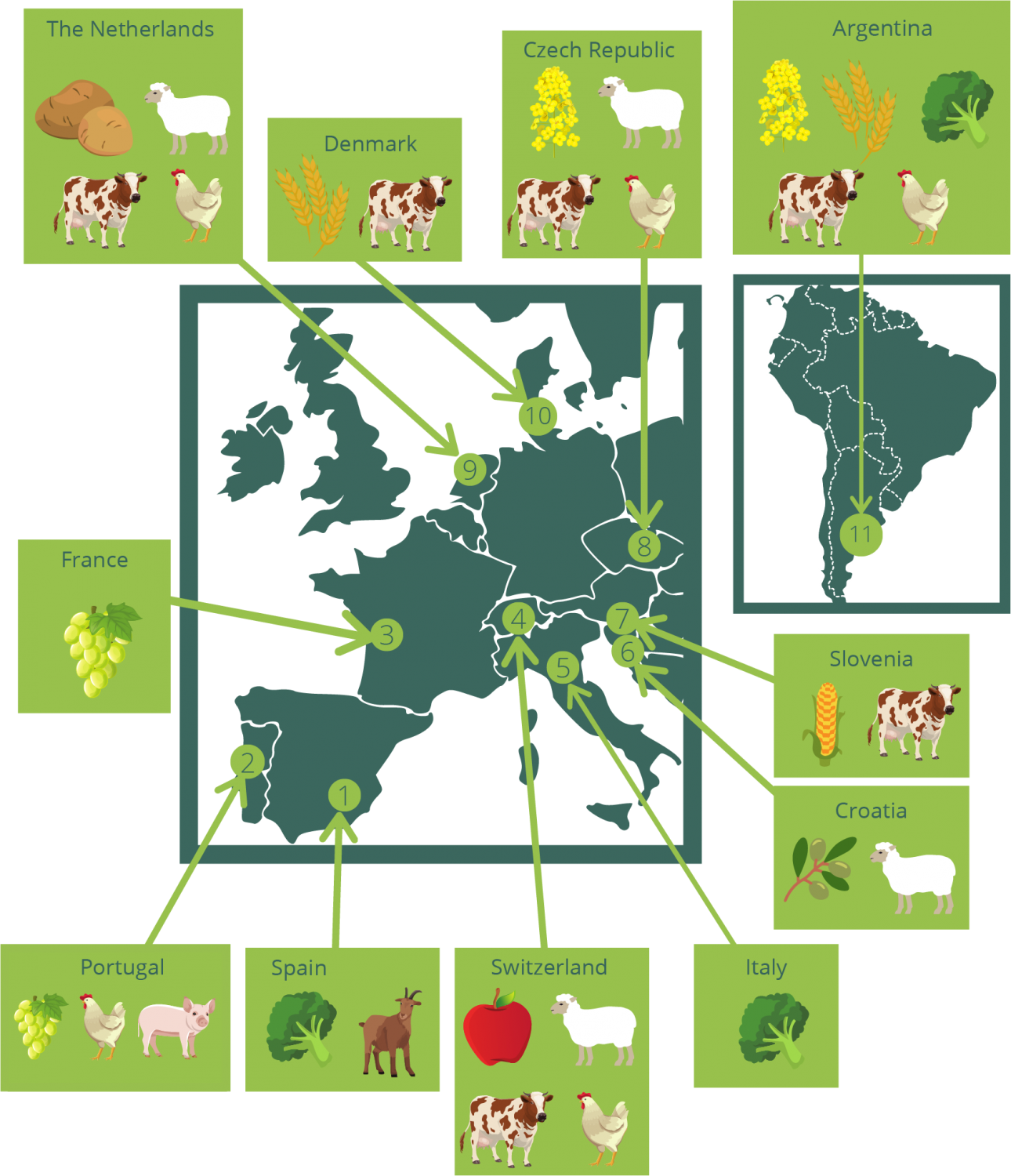
The five-year SPRINT project (2020–2025) investigated agricultural regions in ten European countries and Argentina. The results are nothing short of alarming. Up to 40 different pesticides per sample were found in soil, water and air. Researchers found an average of 65 to 80 pesticides in house dust, a quarter of which are now banned. Some substances disrupt the intestinal flora and can even influence behaviour via the brain-gut axis.
"People and ecosystems are exposed to complex mixtures of pesticides – often including substances that have been banned for years," says project leader Prof. Violette Geissen of Wageningen University.
Legislation is lagging behind
Current legislation does not take this chemical cocktail into account. Risk assessments usually test one substance at a time, while in reality there are hundreds of combinations. Children and pregnant women appear to be particularly vulnerable.
The research team is calling on policymakers to implement stricter supervision and a rapid transition to agroecological alternatives. These include crop rotation, mechanical weed control, greater biodiversity and financial incentives for farmers who take steps towards pesticide-free agriculture.

Hopeful examples
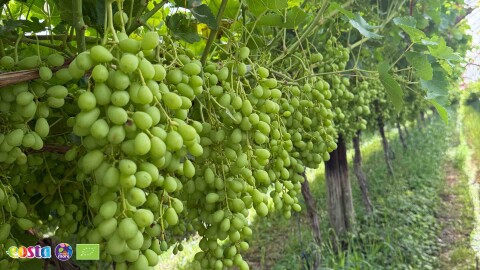
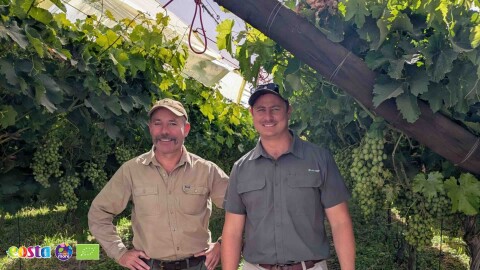
Nevertheless, the report also offers some rays of hope. In countries such as Portugal, Spain and Slovenia, farmers are demonstrating that there is another way. Through organic viticulture, natural pest control and short supply chains, they are successfully producing without synthetic agents – and with healthy margins.

Transition requires cooperation
The researchers conclude that the agricultural transition is not only about technology, but also about behaviour, cooperation and fair support for farmers.
"We cannot expect farmers to change without the right resources and incentives," says Geissen.
Want to know more? View the full SPRINT report and videos at www.sprint-h2020.eu