The Dirty Dozen 2025 list published by the American Environmental Working Group (EWG) once again reveals which fruits and vegetables contain the highest levels of pesticides. New additions this year are blackberries and potatoes. Spinach ranks number 1, followed by strawberries and kale.
The Dirty Dozen 2025 list published by the American Environmental Working Group (EWG) once again reveals which fruits and vegetables contain the highest levels of pesticides. New additions this year are blackberries and potatoes. Spinach ranks number 1, followed by strawberries and kale.
The ranking is based on 53,692 samples of 47 different products, tested by the US Department of Agriculture (USDA). All samples were washed and/or peeled, as consumers would do at home. Despite this, 265 different pesticides were still found. New this year is that the toxicity of the substances found has also been taken into account – an important addition to the number and quantity of residues.
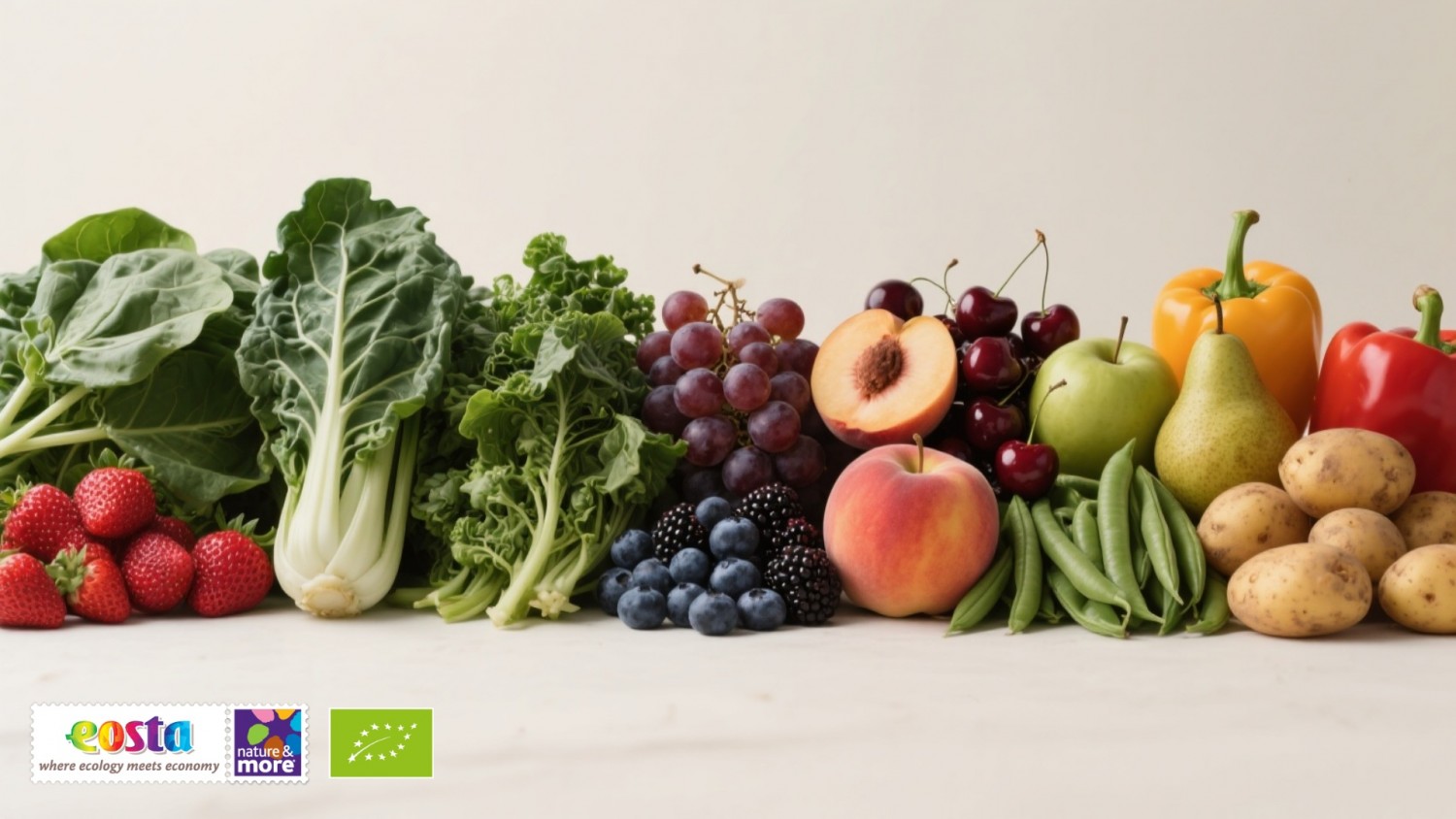
The Dirty Dozen 2025
- Spinach
- Strawberries
- Kale, Swiss chard and mustard greens
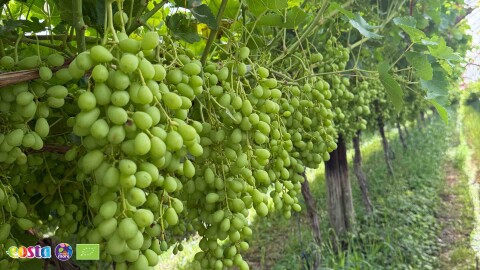
- Grapes
- Peaches
- Cherries
- Nectarines
- Pears
- Apples
- Blackberries
- Blueberries
- Potatoes
- Peppers and green beans are also mentioned separately because of their high toxicity scores.
Residues were found in 96% of the samples in this list. Blackberries contain an average of four different pesticides per sample. Potatoes contain an average of two substances, but are often treated in the US with chlorpropham, a sprout inhibitor that has been banned in the EU since 2019.
How relevant is this for Europe?
Although this is an American study, the results also apply to Europe, as confirmed by nutritionist Juglen Zwaan on ahealthylife.nl
The reasons:
- The fruit and vegetable chain is global: many products come from the same growing areas.
- There is international coordination on food safety standards (Codex Alimentarius).
- European studies, including the Pesticide Guide published by PAN Netherlands, show similar rankings.
- In several EU countries, including the Netherlands, France and Germany, strawberries and apples have ranked high in residue levels for many years.
What can you do?
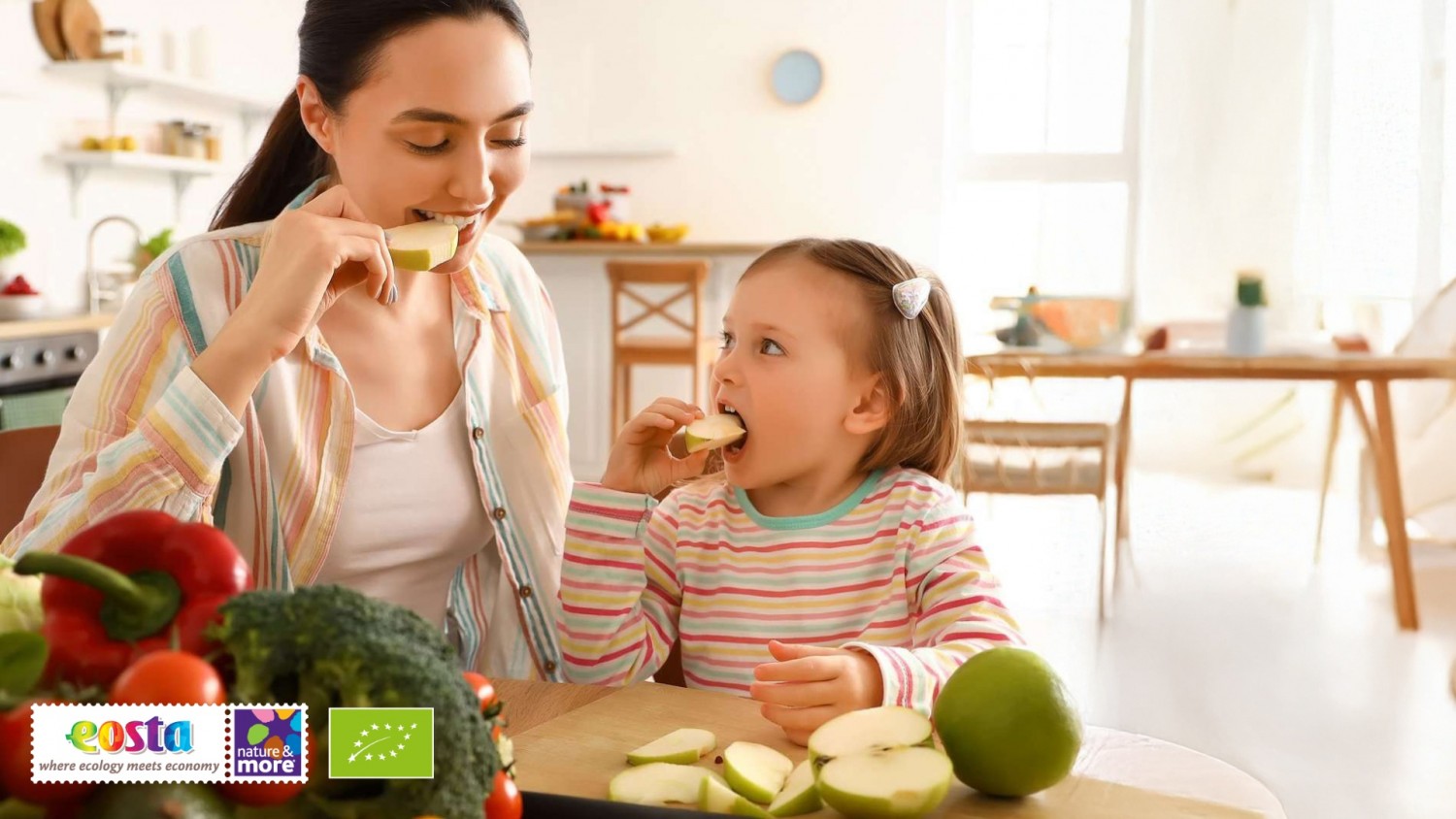
The EWG recommends buying organic products from the Dirty Dozen list as much as possible. This significantly reduces exposure to pesticides, especially for children and pregnant women. Organic varieties are also increasingly available in frozen form – practical and affordable.
For shops and restaurants, this list offers an opportunity to make a difference. Consider clear communication on the shelf or on the menu, or a conscious choice for organic versions of high-risk products such as apples, grapes, blueberries and pears.
View the official list: www.ewg.org/foodnews
Read the Dutch article by Juglen Zwaan: ahealthylife.nl