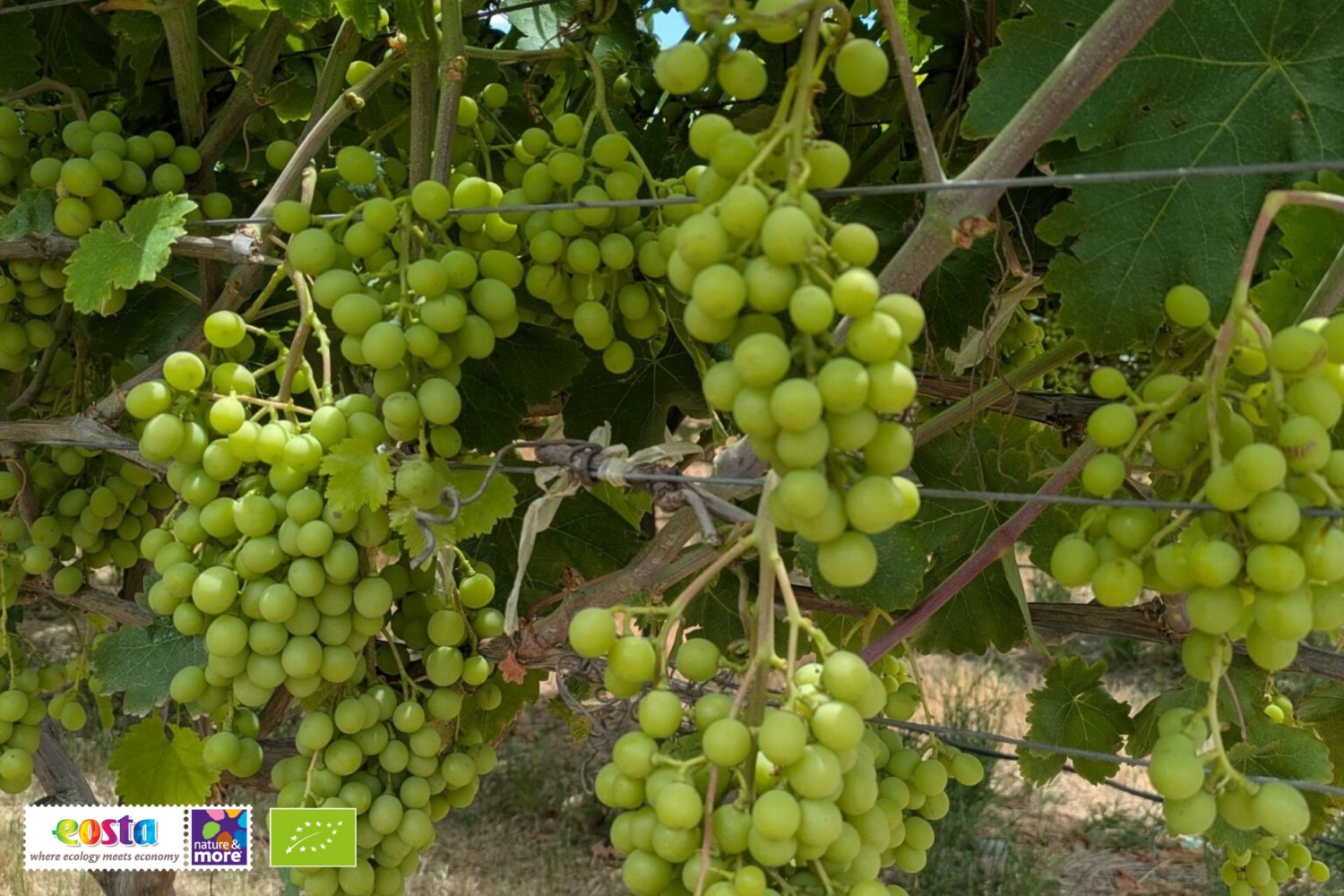
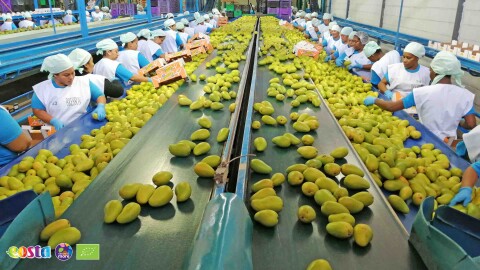
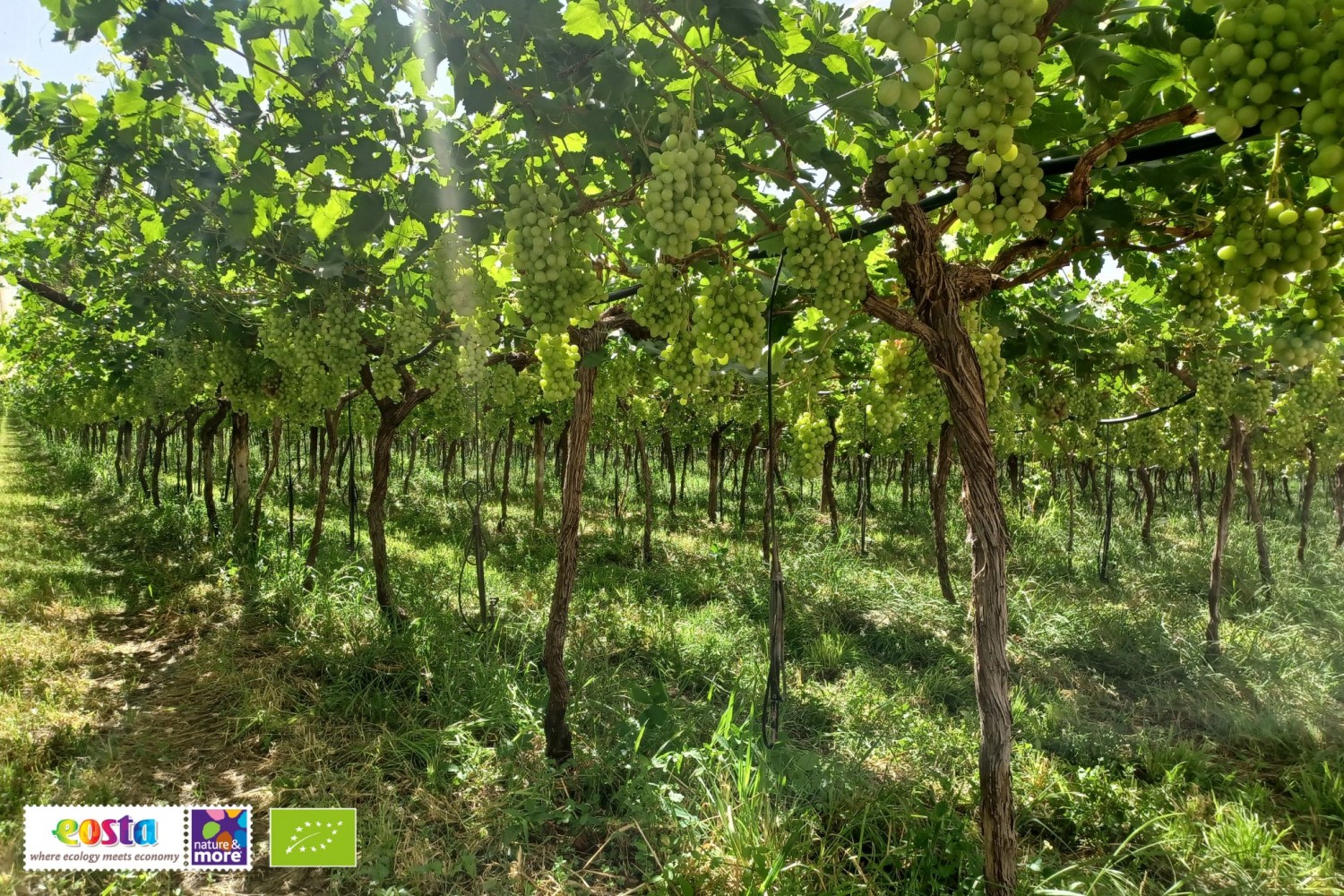
From week 51 onwards – just before the holidays – we will start with the first organic grapes of the new overseas season. Growing conditions in South Africa and Chile are favourable, and the quality is expected to be excellent. Volumes are similar to last year, but demand appears to be around 30% higher – likely resulting in a tight market.
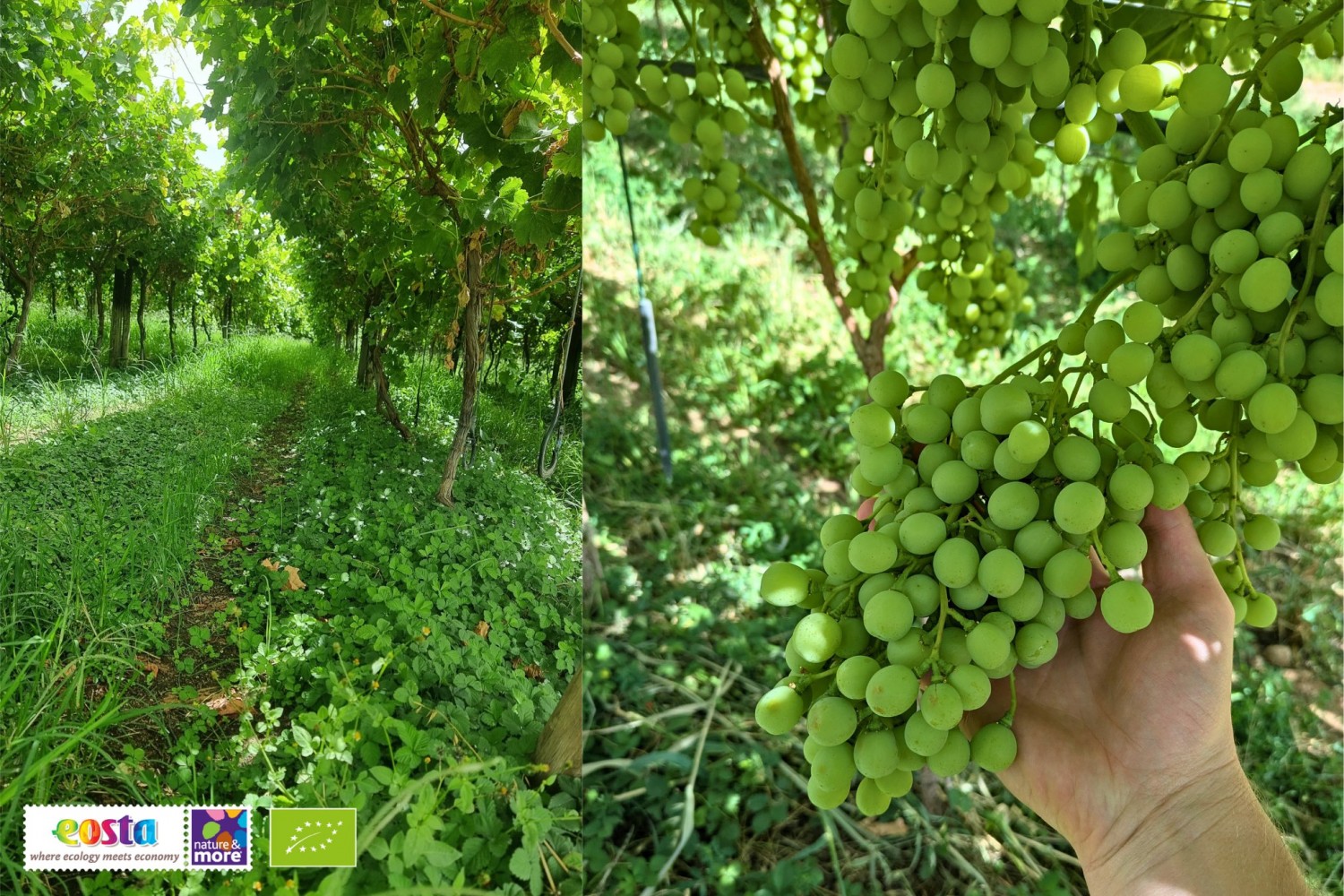
Consistent origins, steady quality
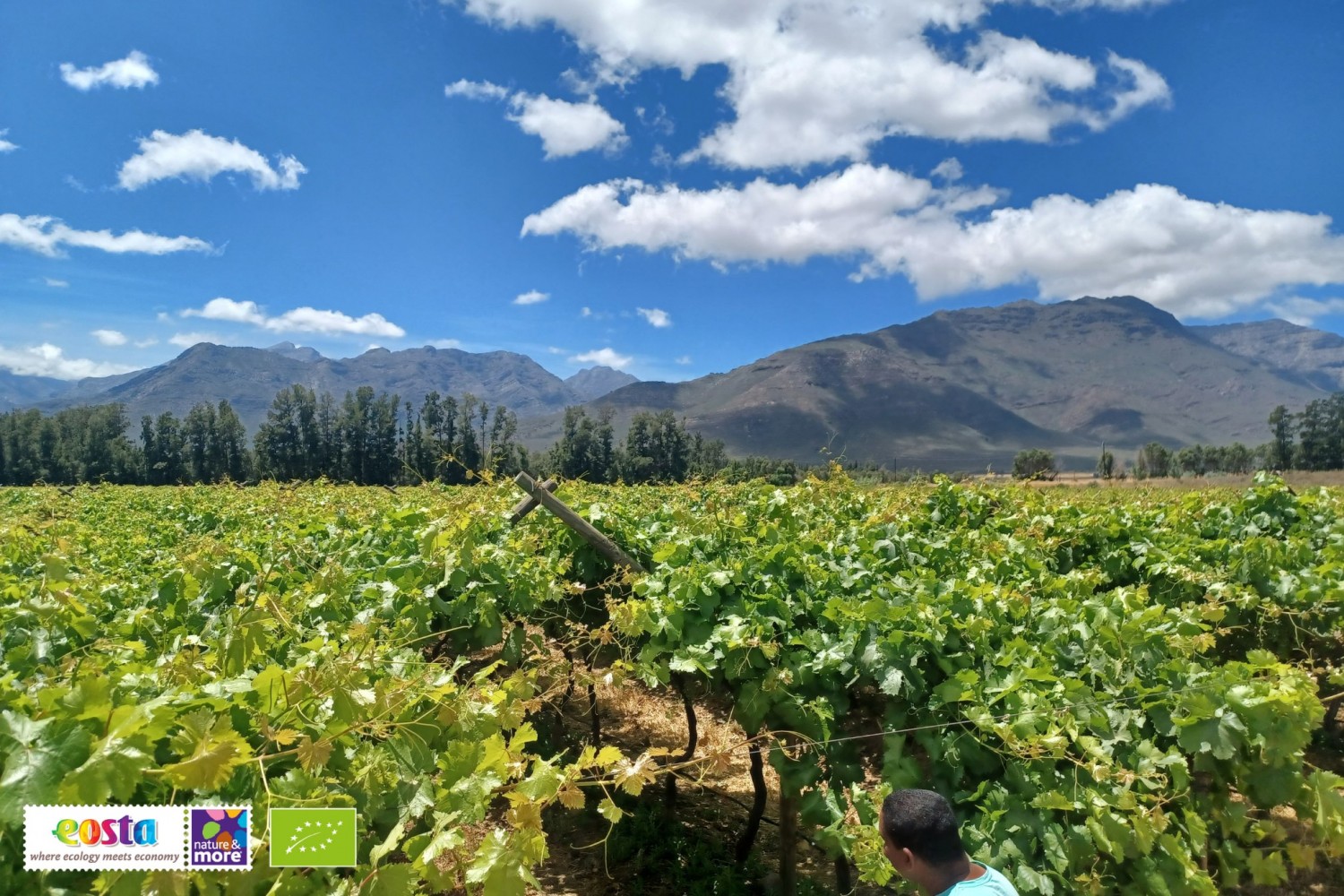
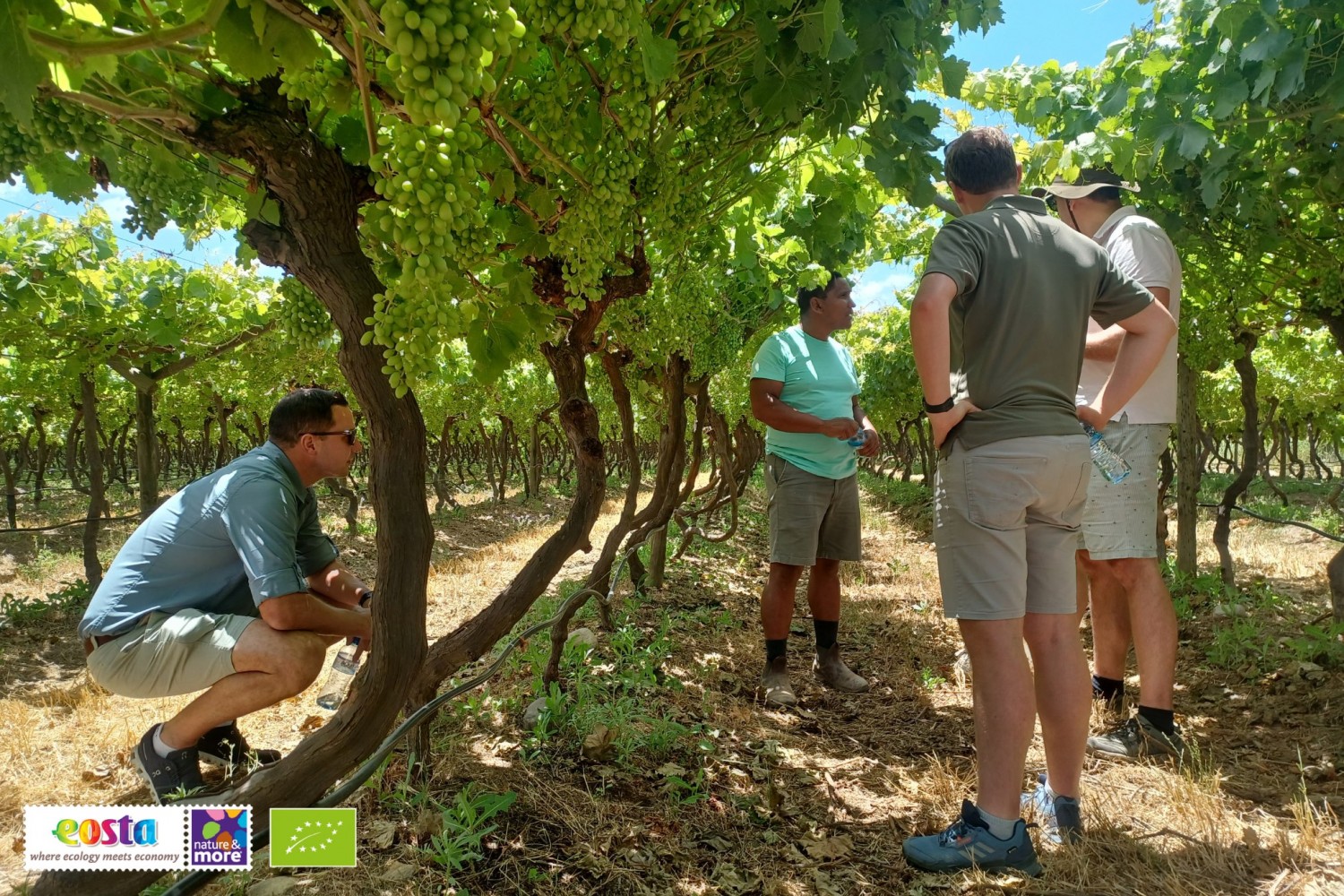
As in previous years, we are working with our trusted growers in South Africa and Chile. Their experience in organic grape production, combined with careful soil management and efficient water use, ensures stable quality and reliable supply throughout the season.
Season overview
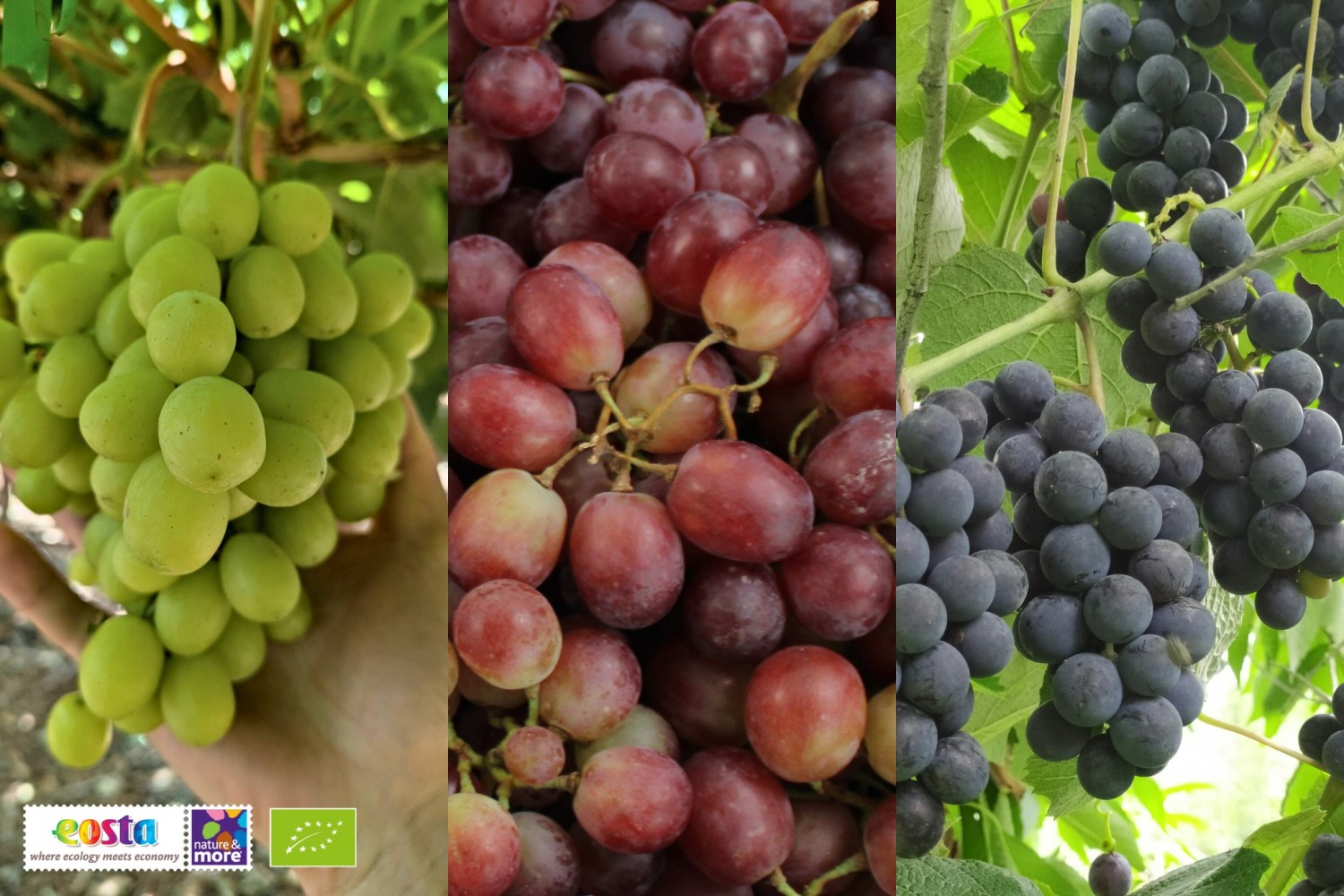
The season starts with white seedless grapes, followed by red and then black varieties. The overseas grape season runs through May. With strong market growth this year, it is advisable to secure programmes early to guarantee the required volumes.
Residue-free and responsibly grown
Research shows that conventional grapes often contain multiple pesticide residues – an average of eight substances per sample, with up to thirteen detected [1]. Certified organic grapes in these studies showed no synthetic residues.
Moreover, organic production systems have a demonstrably lower water impact: on average, around 98 litres of water are saved per kilogram of grapes compared to conventional cultivation.
In South Africa, one of our growers operates in a region where Eosta supports the WRAP & WWF project – an initiative that contributes to long-term water security for farmers and local communities.
Outlook
With favourable growing conditions, reliable partners, and continued strong demand, the season promises to be a good one. By coordinating programmes and volumes in time, we can jointly ensure optimal distribution of the available grapes within a tighter market situation.
[1] German study on imported grapes: Food Safety Magazine (2023) – average of 8 residues per sample. Elmastaş et al. (2025), Environmental Science and Pollution Research – up to 13 different pesticides detected. Rizos et al. (2021), Pesticide Residues and Their Metabolites in Grapes and Wines from Conventional and Organic Farming System – organic grapes showed no synthetic residues.