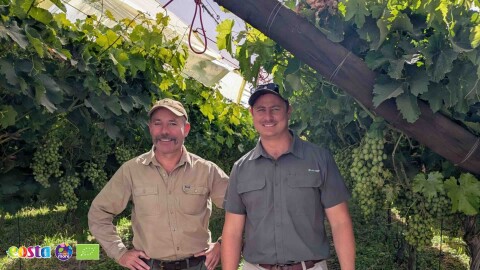
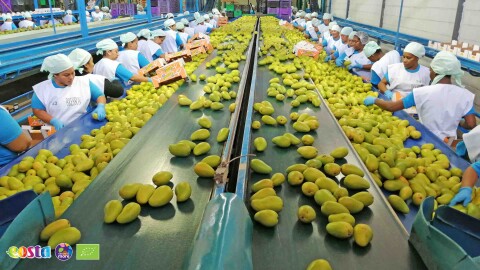
Water is one of the key priorities in Eosta's sustainability policy. An internal working group is developing a long-term approach and concrete improvements in the chain – from farm to fork. In an earlier campaign, the True Cost Ticker (2021), we already highlighted the benefits of organic farming in terms of soil, CO₂ and water use.
Water is one of the key priorities in Eosta's sustainability policy. An internal working group is developing a long-term approach and concrete improvements in the chain – from farm to fork. In an earlier campaign, the True Cost Ticker (2021), we already highlighted the benefits of organic farming in terms of soil, CO₂ and water use.

Now we are further exploring water as a priority theme – with a detailed policy and targeted actions in our chain. The launch of the Organic Raingrown Avocado was a first step in this direction. As a next step, Eosta is committing to the Collective Action Project on Water Stewardship in South Africa – an initiative led by WRAP UK, with WWF as one of the partners.
Restoration in three river basins
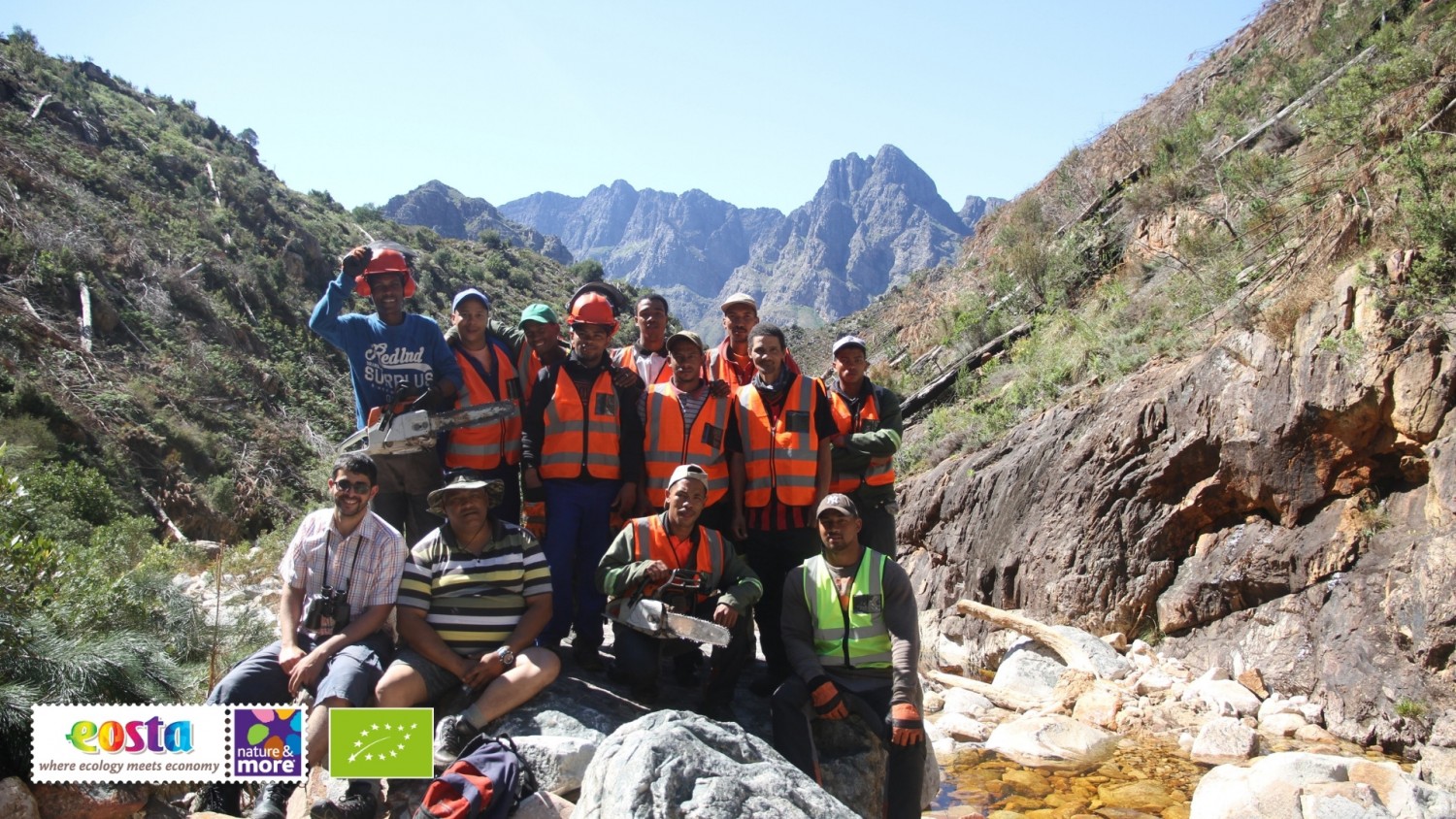
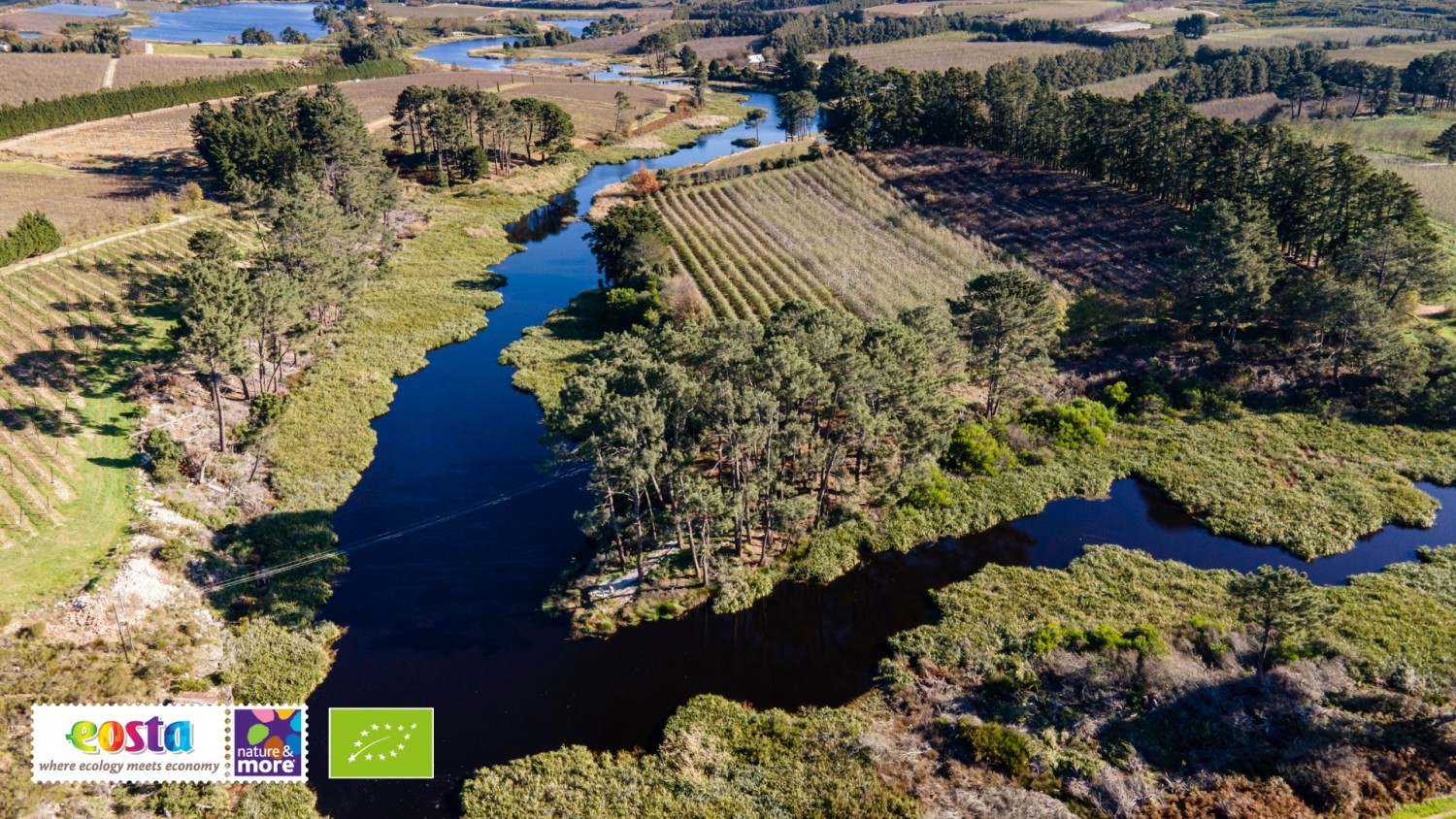
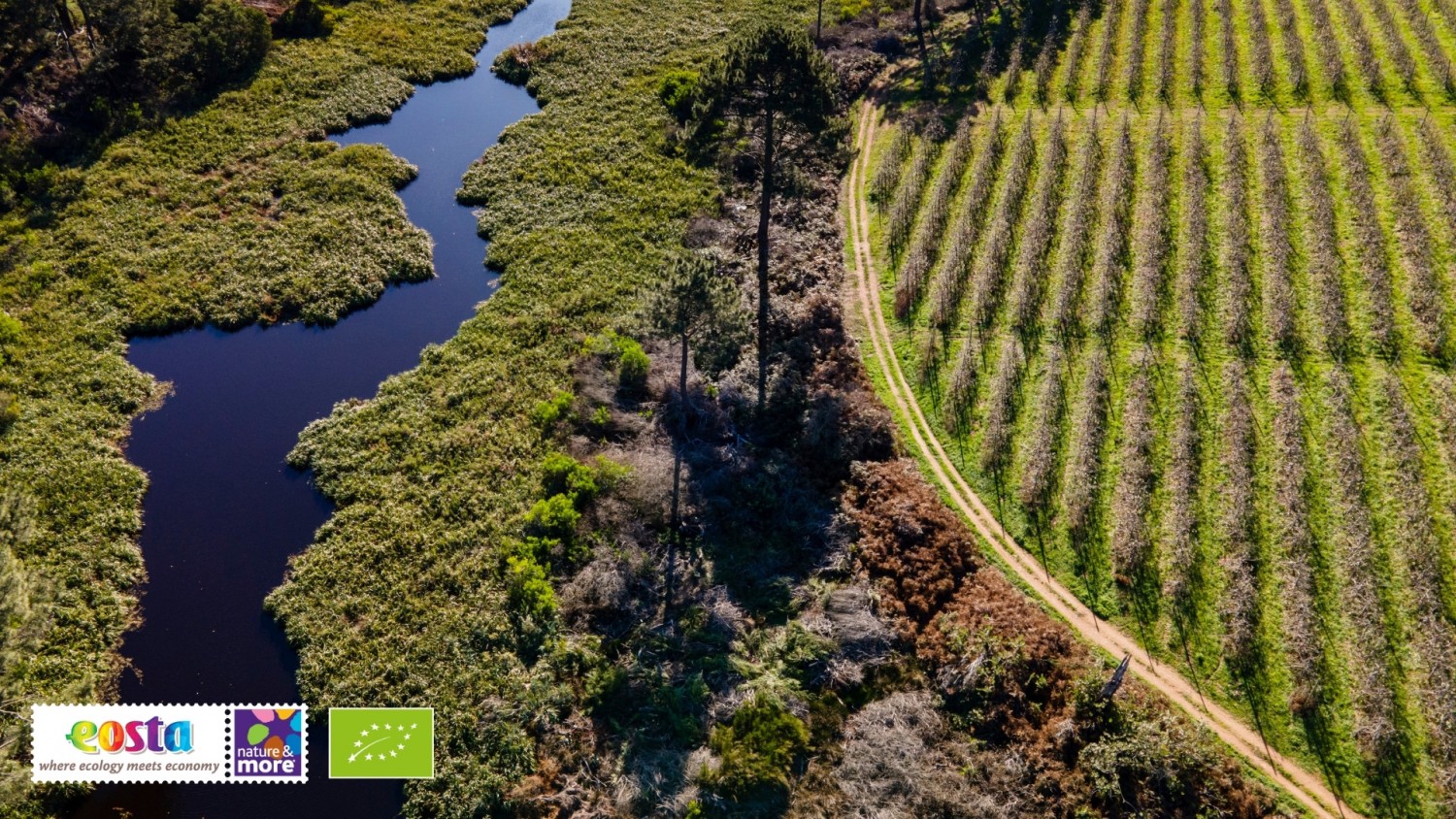
Eosta will participate in the project for at least three years. In three river basins in the Western Cape – Groenlandberg, Koue Bokkeveld and Hexrivier – the parties involved are working together on sustainable water management. These regions are not only of great ecological importance, but also form an important source for the organic fruit in the Eosta range.
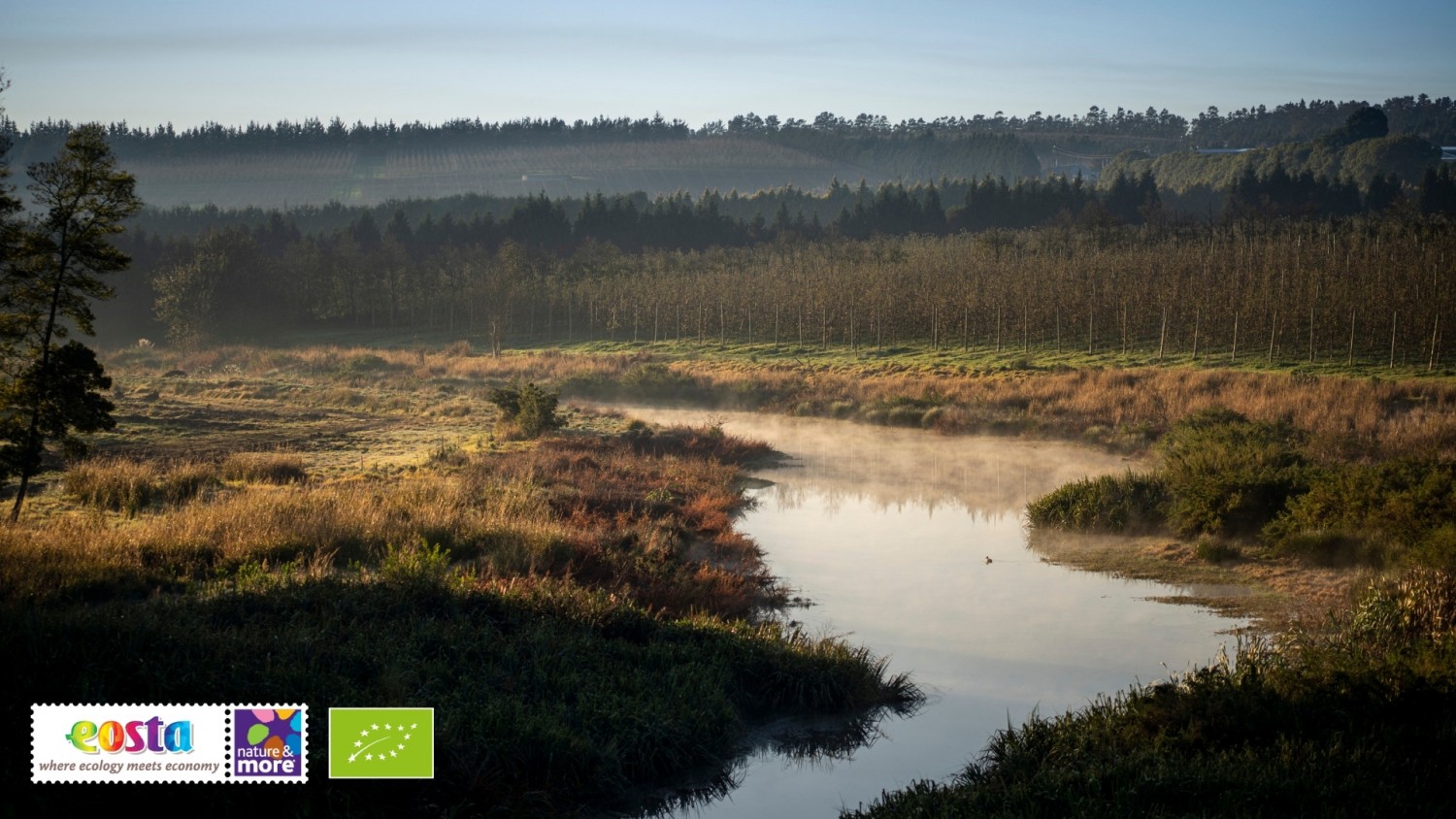
The project focuses on:
- removing invasive exotic species to restore the water balance and the original fynbos ecosystem,
- hydrological research into groundwater and river levels throughout the year,
- restoring rivers and landscapes to enhance biodiversity,
- and actively involving and training farmers in water management.

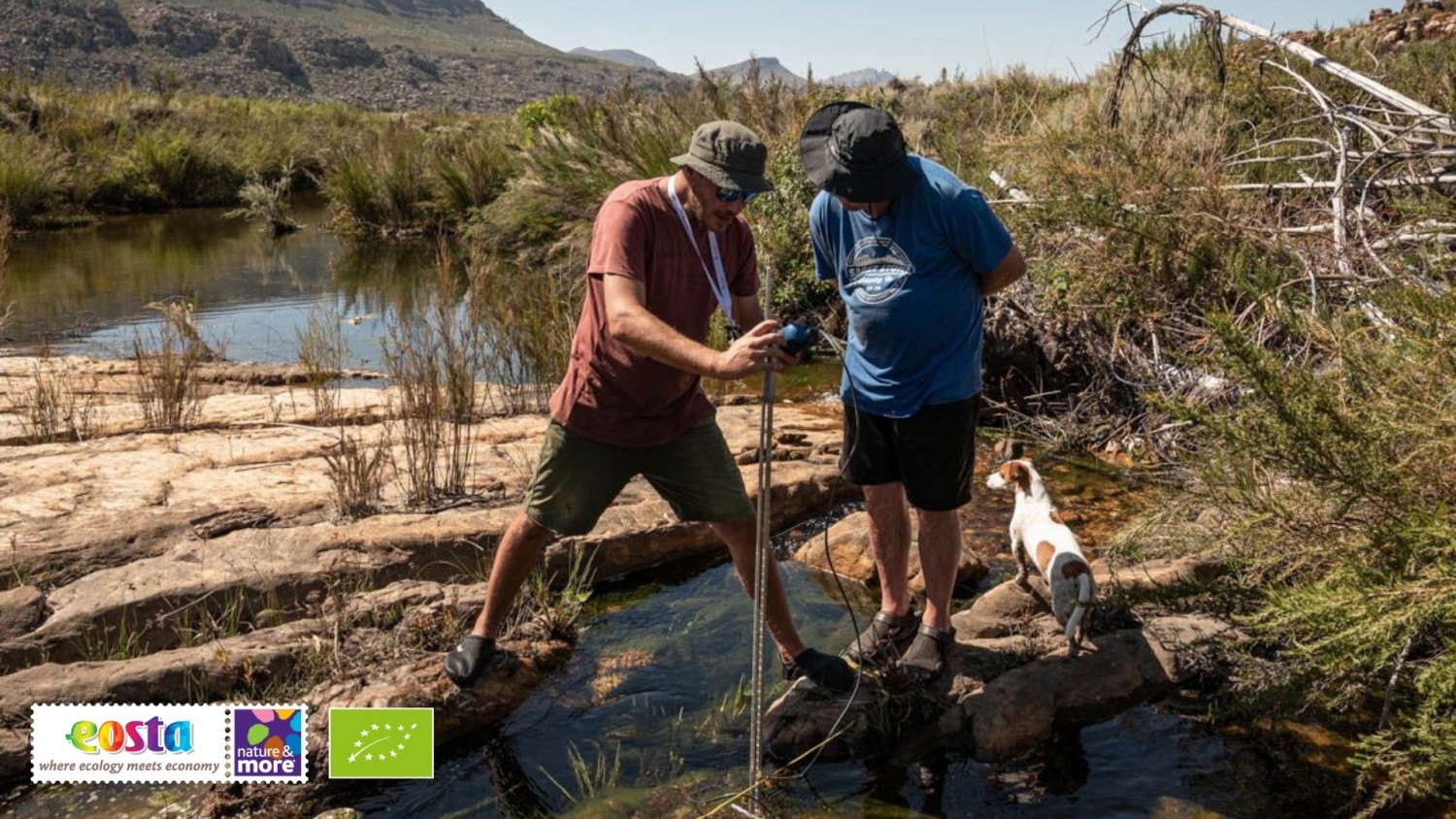
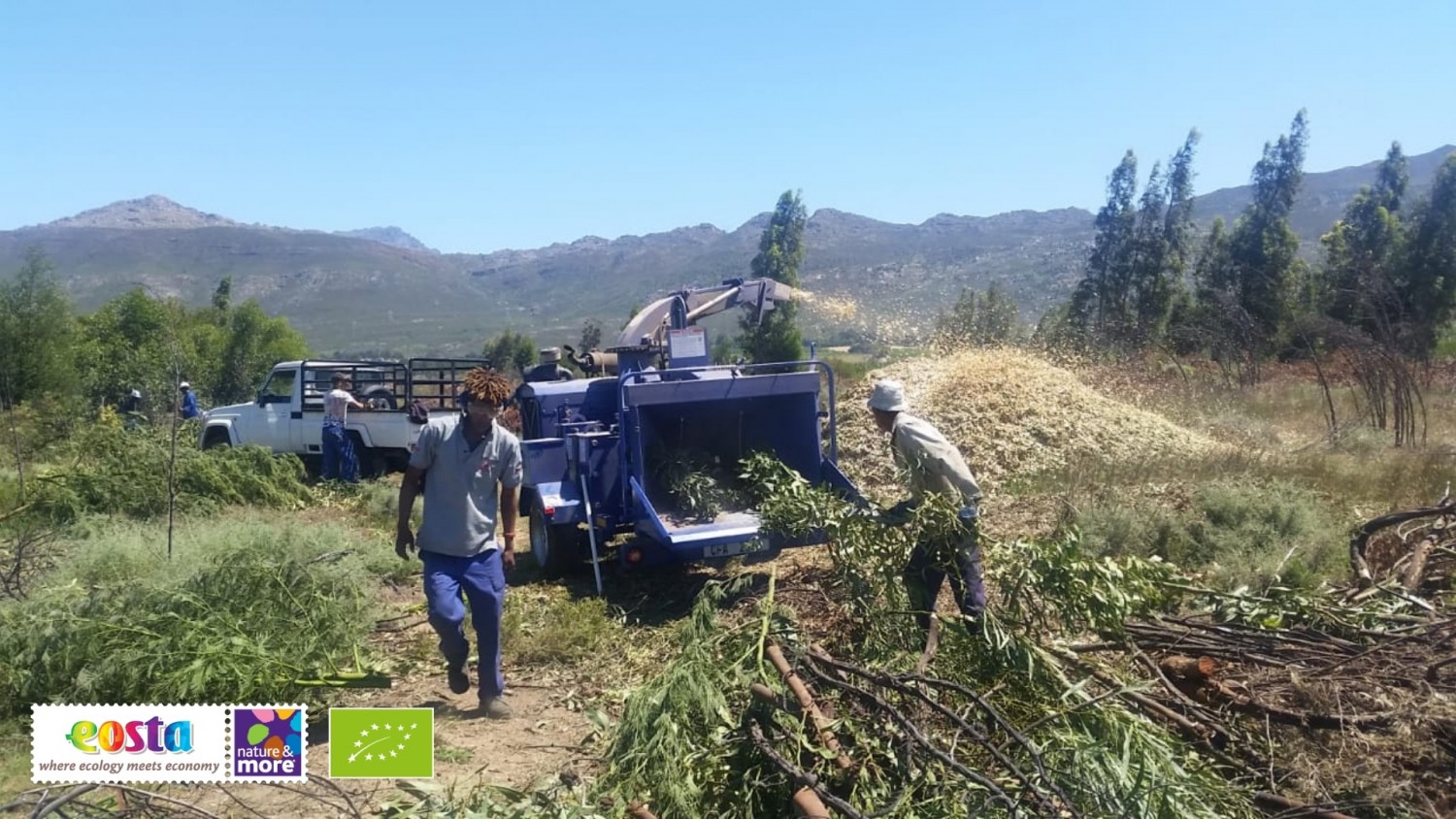
Through this partnership, Eosta is making a concrete contribution to climate-proof agriculture and the conservation of natural resources in an important region of origin for organic fruit.
"Water stewardship is essential to continue growing and trading organic products responsibly in the future," says Gert-Jan Lieffering, Sustainable Sourcing Manager at Eosta. "With this project, we are actively contributing to climate-proof agriculture, biodiversity restoration and the conservation of natural resources – in a region where we have been working intensively for many years with growers who are wholeheartedly committed to sustainable agriculture."
Sean Herd-Hoare, water specialist at WRAP and responsible for the South Africa Collective Action Project:
“Water-related challenges require continuous collective action over periods of time to drive impact and improve water stewardship on a catchment scale”
Want to know more? Please contact Gertjan Lieffering, Sustainable Sourcing Manager: gertjan.lieffering@eosta.com