Unfair competition has been an obstacle to sustainable agriculture and fair prices for decades. The True Price movement is changing that.
Unfair competition has been an obstacle to sustainable agriculture and fair prices for decades. The True Price movement is changing that.
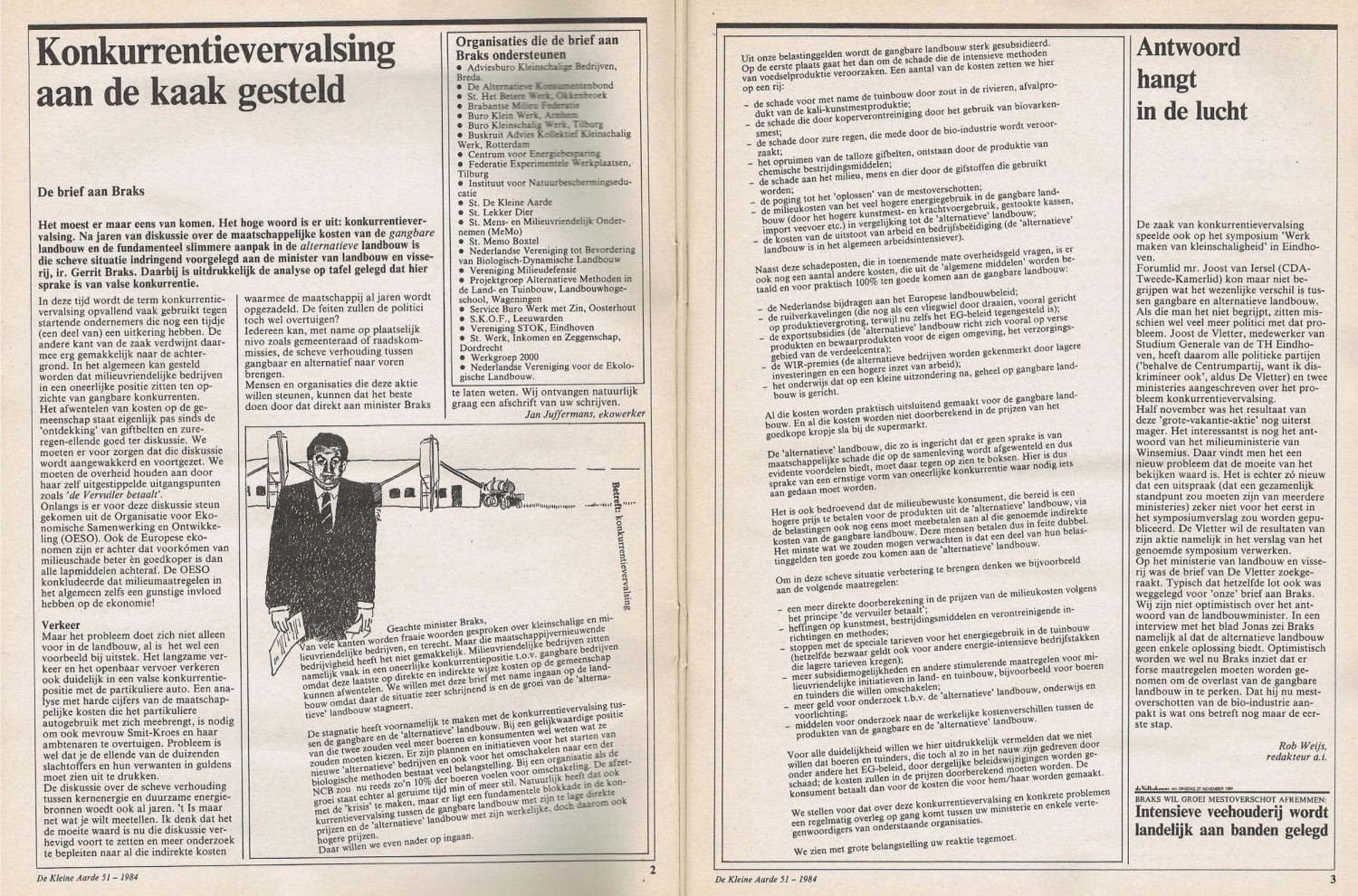
Back in 1984, the Netherlands sent a letter to Minister Braks to raise the issue of unfair competition in agriculture. Harmful environmental and social costs were passed on to society, while sustainable companies did pay the real costs. Although the "polluter pays" principle was introduced by the OECD as early as 1972, it has still not been fully implemented.
Fast forward to today: the True Price Festival in Amsterdam reflected on the development of True Pricing and the next steps in 2025. The true cost of our food system is estimated at 20 trillion euros per year. True Pricing provides a concrete model to make hidden costs visible and sustainable choices more attractive to businesses and consumers. True Pricing makes everything more sustainable, not necessarily more expensive!
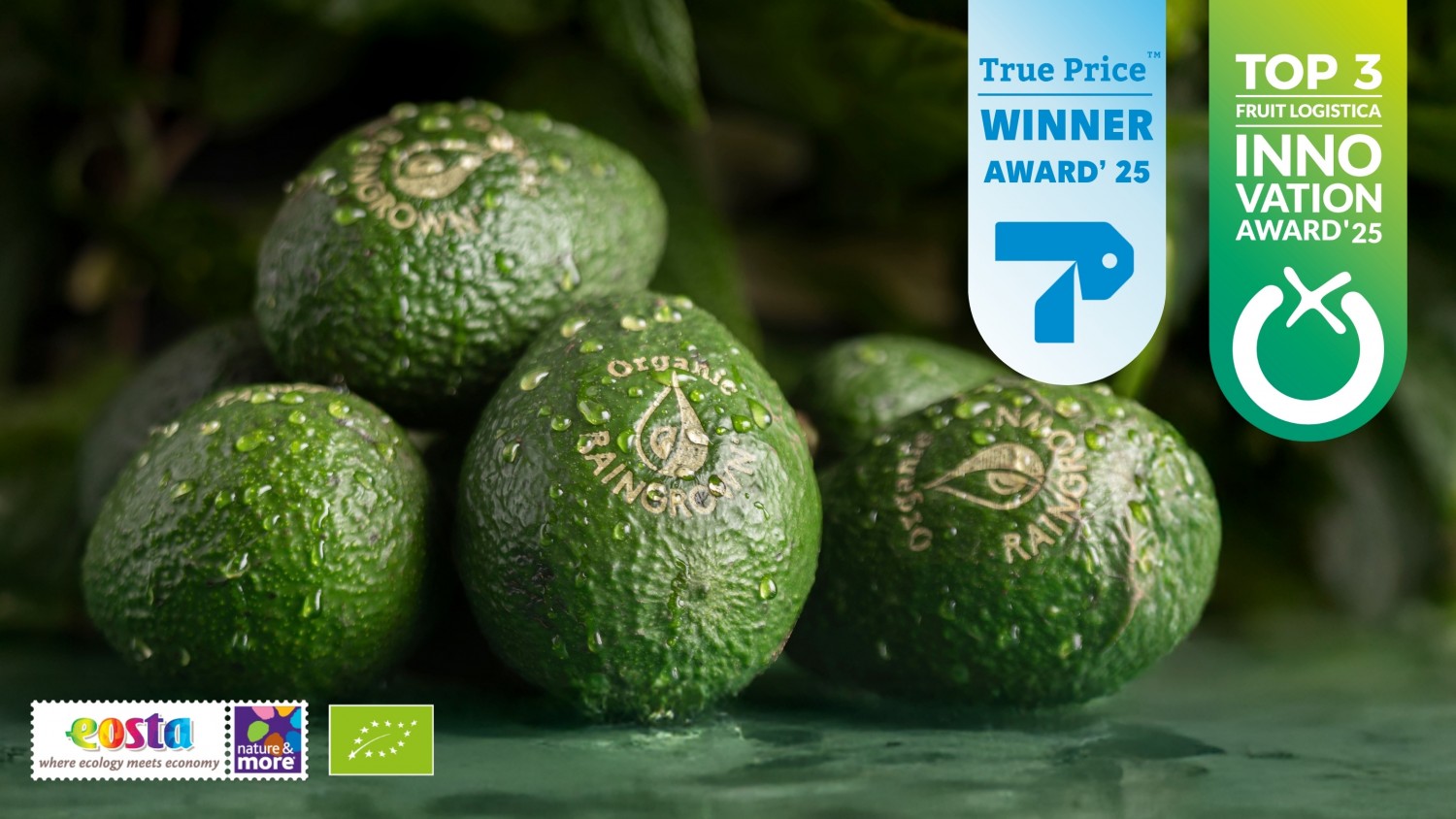
Eosta pioneered making these hidden costs visible back in 2017, with an international award-winning project that was even praised by Prince Charles. That early commitment now got a follow-up: during the festival, the first True Price Award was given to Eosta's Organic Raingrown Avocado. This consumer product was recognised as a pioneer in reducing the True Price gap and shows how sustainable cultivation and fair prices go hand in hand.
True Price in practice: retail and foodservice in action
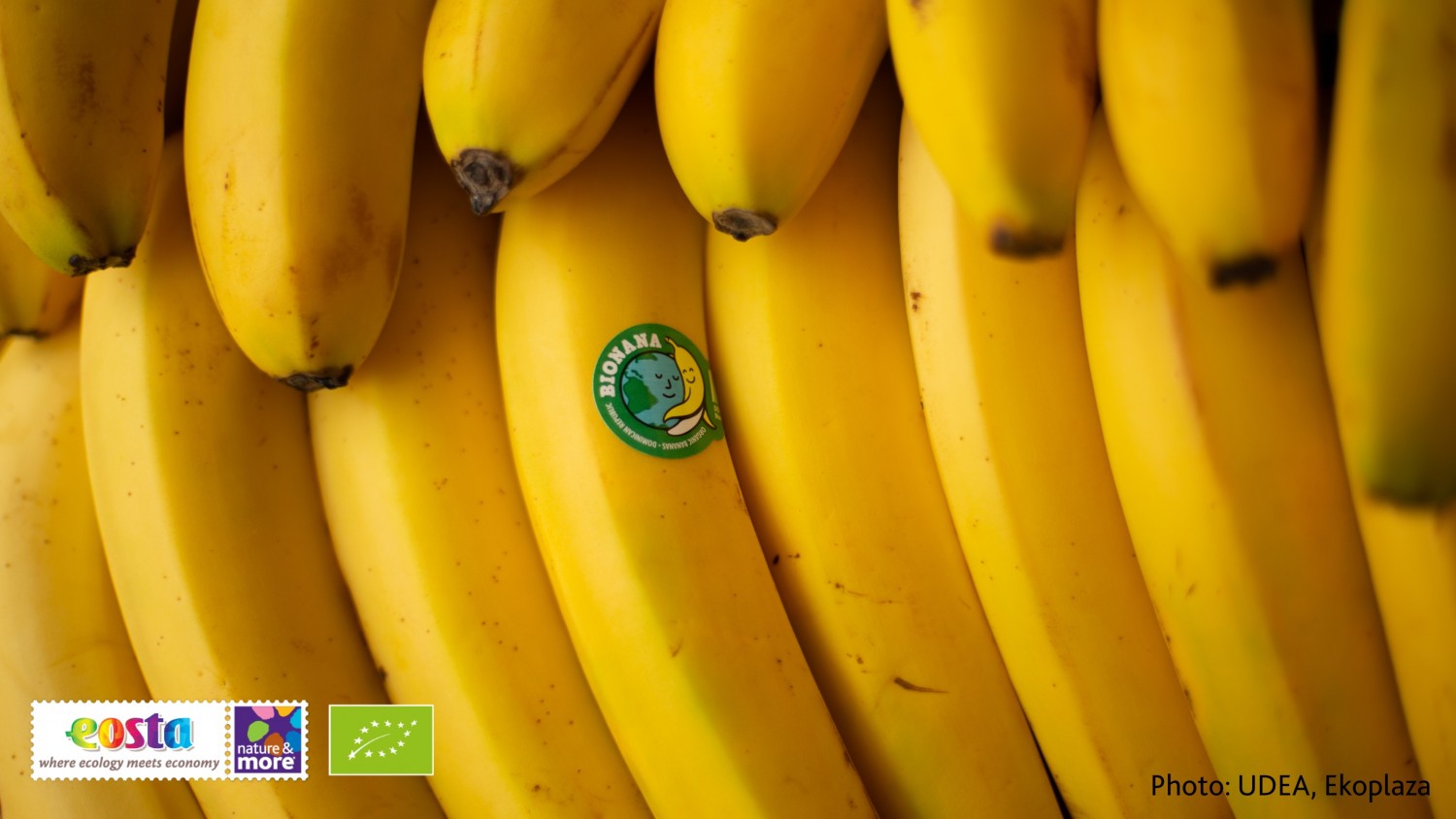
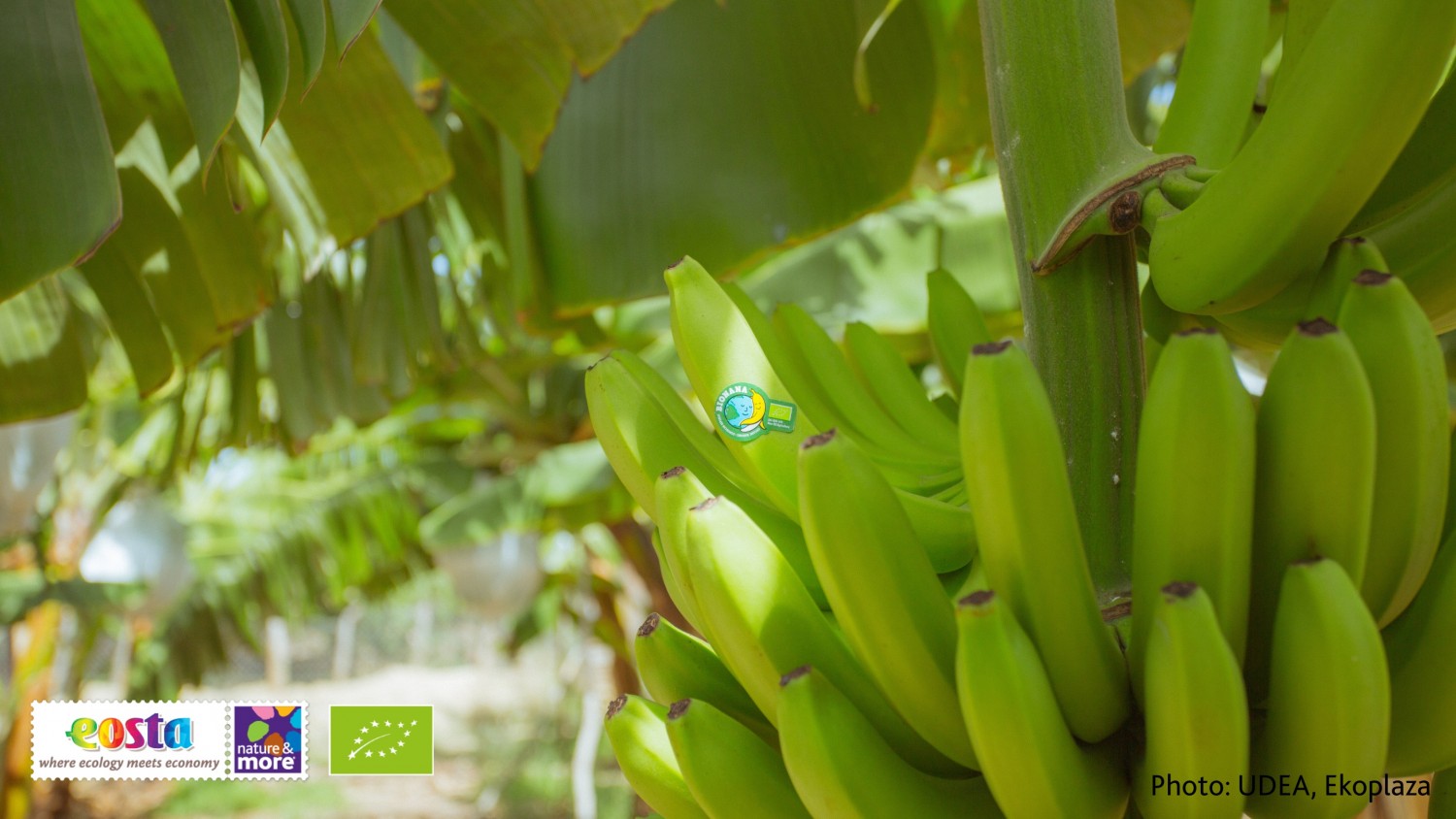
ODIN & UDEA apply True Price to reveal the true cost of organic bananas and reduce the True Price gap. They pay the calculated True Price for bananas and deposit the price difference with the market price into a fund for sustainable investments.
With seed capital from RVO and this fund, a revolving fund has been set up. From this, investments are made in water-saving techniques and solar energy on the plantations, among other things. The extra income and cost savings generated by these improvements are repaid to the fund by the growers, thus enabling future sustainable investments. This not only reduces environmental costs, but also increases farmers' yields and incomes.
Vermaat Catering: more sustainable and tastier
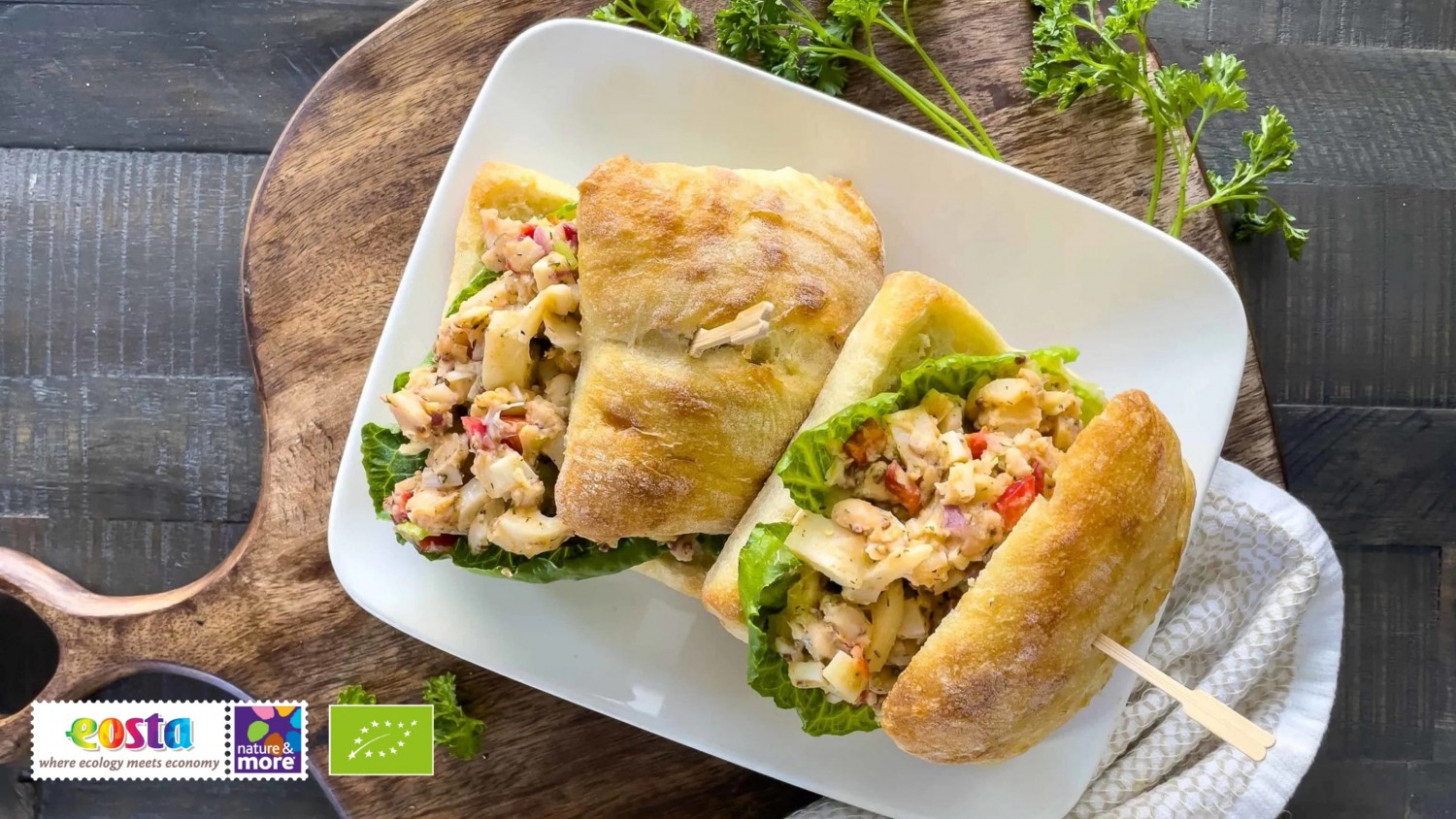
Vermaat Catering discovered that True Pricing can help make the food chain more sustainable. The popular tuna salad sandwich was found to account for 5% of the caterer's total CO₂ emissions, and True Pricing analysis showed that the sandwich had high social and environmental costs.
The solution? Replacing 50% tuna with lupine bean, which enhances tuna flavour, reduces CO₂ emissions and also saves costs. In addition, tuna is now responsibly sourced through Fish Tales. Result: a tastier and more sustainable sandwich
True Pricing in the shop
A health food shop showed the differences in footprint across various products: Argentine apples were found to have less environmental impact in spring, compared to European apples stored under refrigeration
Government and True Pricing
- Government agencies include True Pricing in catering tenders.
- A True Price Coffee Dashboard will be launched in Amsterdam in 2025 to provide insight into the true cost of coffee and encourage sustainable choices.
True Pricing in education and retail
- Education programmes in the Netherlands integrate True Pricing to raise awareness among students.
- Supermarkets and other outlets are increasingly experimenting with True Price products.
2025: The tipping point for True Pricing
2025 will be the year to scale up True Pricing. Plans include:
- Large-scale rollout at hundreds of retail and food service locations.
- New digital tools and dashboards to make True Pricing more insightful.
- Agreements with policymakers and UN organisations on fair and sustainable commodities.
True Pricing: make it part of your product range!
Do you want to capitalise on this trend? Here's how you can contribute:
- Include True Price products in your product range and offer transparency to customers.
- Increase customer value in your category by capitalising on sustainability.
- Respond to the growing demand for fair, future-proof food.
This is the time to make moves! Need help? Read the blueprint 'True pricing in food retail and foodservice from TruePrice.org. Or contact this social enterprise and expert on True Pricing.