This website uses cookies

Can we use cookies to make your experience even better? By selecting “Accept”, you’re letting us know you’re okay with all cookies, as explained in our privacystatement.

Accept
decline

The Queen among exotic fruits

1920 newsletter2


The Mangistan, also known as Mangosteen, is native to Indonesia. The skin of a ripe fruit has a dark purple color; the flesh is bright white and soft. The fruit is about the size of a small tangerine. 

The taste of a Mangistan is reminiscent of a fresh mix from orange, peach, pineapple and apricot. An absolute plus is the huge amount of antioxidants, calcium and vitamin C. A Mangistan can be easily eaten out of hand, its flesh divided into neat segments. The fruit has a short shelf life, maximum 2 days on the fruit bowl and preferably in a cool place.   

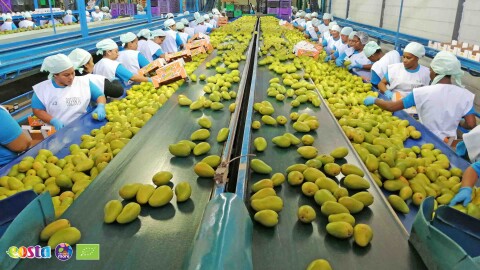
We have been importing Bio Mangistan from our grower Juan Matas in Colombia for many years. Juan's parents, who are originally gardeners, started growing fruit at the beginning of this century. Soon they were introduced to the Mangistan in which they have been specializing ever since. Juan Matas has 80 employees and has become the largest Mangistan producer in Colombia.

Are you curious about this beautiful and delicious exotic fruit to broaden your organic assortment, ask your account manager!

The Queen among exotic fruits

News & releases

Carpe Diem (1)

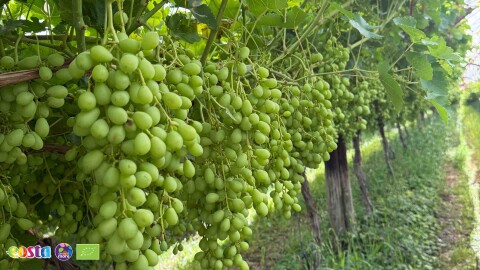
Organic grapes 2026/27: plan ahead to secure volumes

The overseas grape season starts in mid-December, but planning begins now. Demand for organic grapes remains strong and our growers need early visibility on the volumes they can reserve for fixed programmes. By aligning programmes in advance, we can secure organic volumes more effectively and are also in a stronger position to offer competitive pricing. 

Carpe Diem (2)

Carpe Diem: quality organic grapes start with the soil

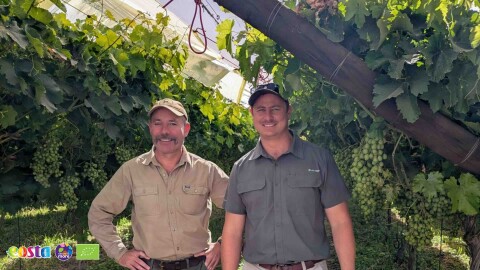
Along the Orange River in South Africa’s Northern Cape lies Carpe Diem, a long-standing and trusted partner for our organic grapes. Owner Gog van der Colff took over the family business in 2000 and made the deliberate decision to switch to organic farming in 2006. What began as a step that not everyone was initially convinced by has developed into a progressive organic farm producing grapes, pecans and raisins. 

Copyright © Eosta | Webdesign: Pencilpoint - creatief in vorm & inhoud