
This website uses cookies
Can we use cookies to make your experience even better? By selecting “Accept”, you’re letting us know you’re okay with all cookies, as explained in our privacystatement.


Plums and peaches from South Africa: now arriving
At the end of November, we visited ProPlum, our stone fruit grower in South Africa. Our visit during the harvest season was greatly appreciated by Paul Roos senior and junior and their team, and gave us the opportunity to see the fruit during the harvest season, just before it was shipped to the Netherlands.

Setback due to weather conditions
Nectarcots and apricots were also planned for us this season. However, due to exceptionally heavy rainfall, this harvest was completely lost — a setback.
Outlook for plums and peaches
Nevertheless, the outlook for plums is positive. Volumes are lower than last season, but the grading has improved, with fewer small sizes and more fruit in sizes B and C. The first plums arrived this week, supplemented by a small volume of peaches.


More than just exports
In addition to fruit exports, ProPlum is also actively engaged in other activities. This includes an organic programme with a local retailer, the production of organic jams and juices, and the sale of organic compost.
Would you like to know more about availability and planning? Please contact your account manager.
News & releases
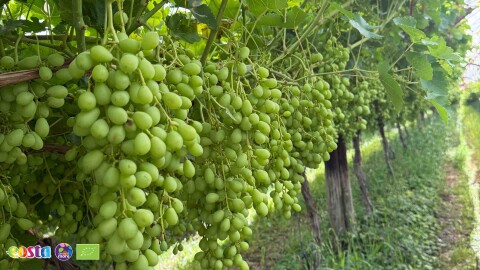
Organic grapes 2026/27: plan ahead to secure volumes
The overseas grape season starts in mid-December, but planning begins now. Demand for organic grapes remains strong and our growers need early visibility on the volumes they can reserve for fixed programmes. By aligning programmes in advance, we can secure organic volumes more effectively and are also in a stronger position to offer competitive pricing.
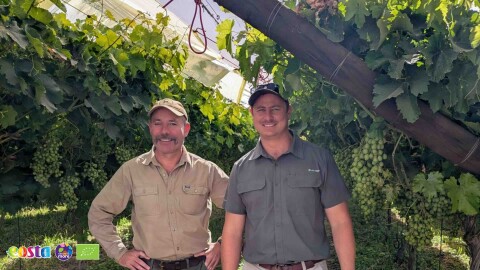
Carpe Diem: quality organic grapes start with the soil
Along the Orange River in South Africa’s Northern Cape lies Carpe Diem, a long-standing and trusted partner for our organic grapes. Owner Gog van der Colff took over the family business in 2000 and made the deliberate decision to switch to organic farming in 2006. What began as a step that not everyone was initially convinced by has developed into a progressive organic farm producing grapes, pecans and raisins.
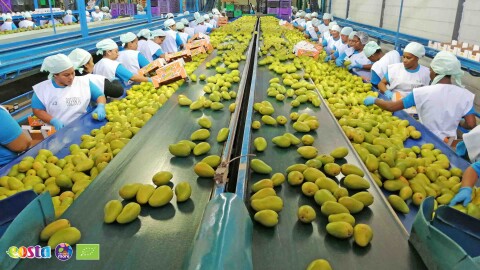
Mango outlook: tighter Peru supply, strong start in Ecuador
El Niño is clearly affecting the South American mango season this year. Higher temperatures and unusual rainfall patterns are disrupting flowering, making availability and harvest timing less predictable.
Copyright © Eosta | Webdesign: Pencilpoint - creatief in vorm & inhoud