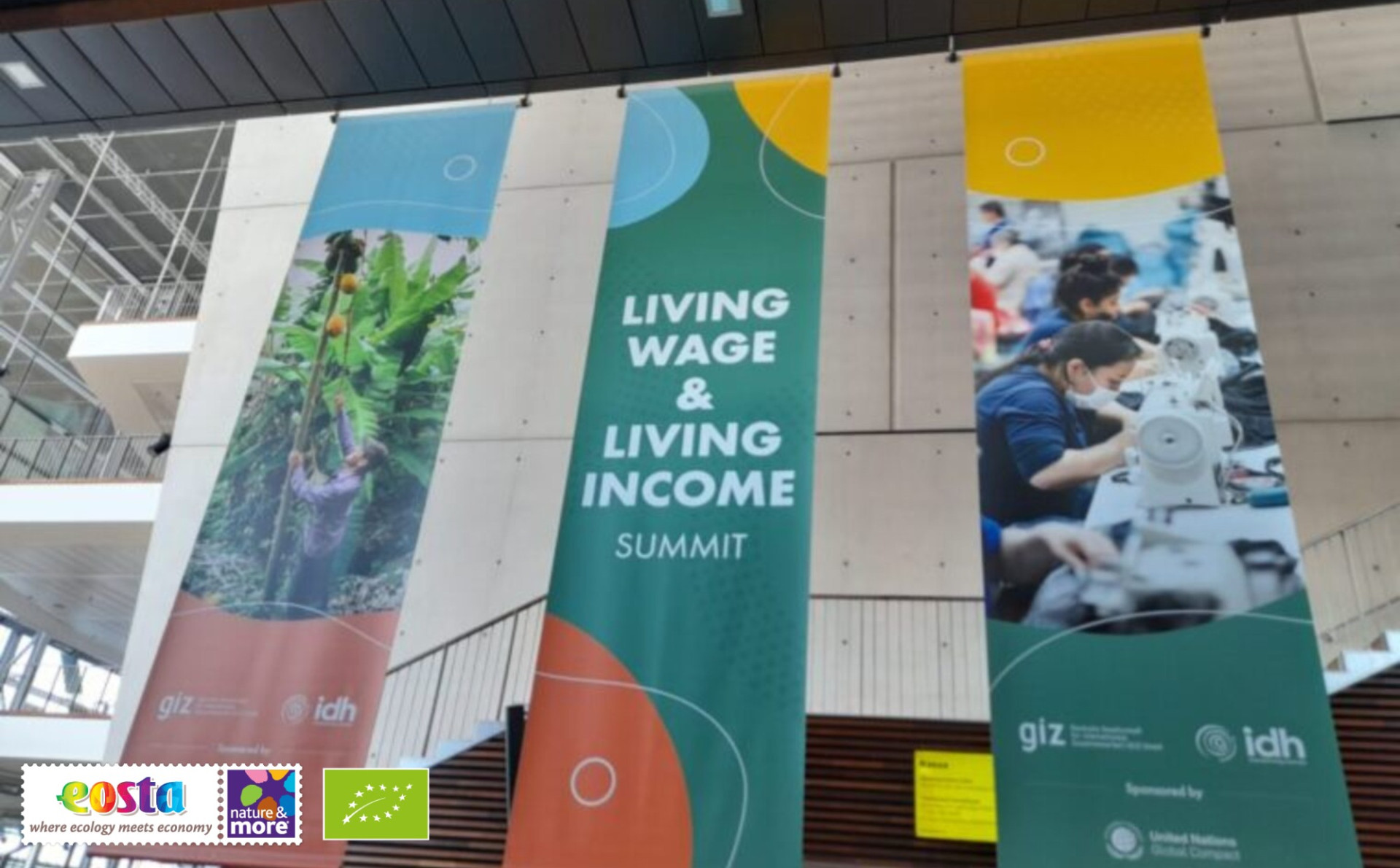
In June, an international gathering of 400 people from across the supply chain met in Amsterdam to exchange knowledge on Living Wage and Living Income*. Although there are an increasing number of successful initiatives to close the gap between minimum and living income, there is still much work to be done.
Inequality and sustainable development goals
According to research by the World Benchmarking Alliance, only 4% of the world's 2,000 most influential companies have taken steps to pay their employees a living wage or set living wage benchmarks.
Only 3% ensure that workers in their supply chain receive a living wage. Europe scores better than other continents. These top 2000 companies employ 92 million people, more than the population of the whole of Europe.
Coalition of the Willing
Fortunately, the 'Coalition of the Willing' of companies implementing Living Wage/Living Income is growing:
- Some combine this with reducing child labour.
- Major companies such as Ahold Delhaize, Aldi, HEMA, L'Oréal, Nestlé, REWE Group, Schwarz Gruppe, Starbucks, Unilever and Zeeman have implemented successful Living Wage and/or Living Income projects.
- The 2019 banana covenant ensures that more and more banana workers receive a living wage.
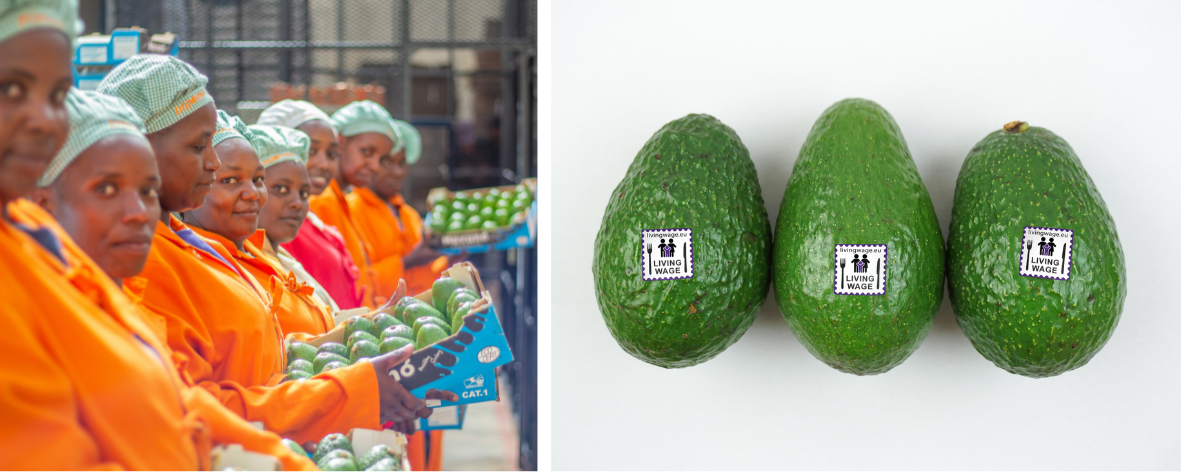
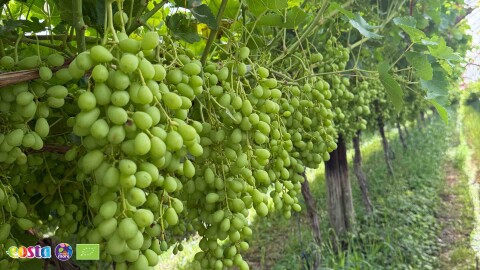
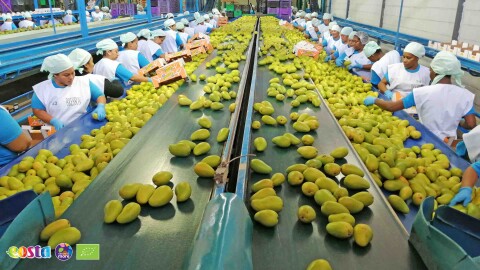
- Eosta is already pioneering Living Wage projects for avocado and mango in Africa from 2019.
- Workers are more often uniting in unions to create stronger bargaining positions.
Practical tips
Companies that have already implemented Living Wage or Living Income projects recommend simply getting started. To start with a pilot and seek help from parties like IDH, GIZ or LICOP. Setting goals and working bottom-up helps unite the goals of workers and companies.
Living Wage pays off
HEMA and Zeeman indicate that the additional cost of a living wage in finished products is minimal. This also applies to Eosta's Living Wage mangoes and avocados. Product quality improves because workers are more motivated. Production companies in the area also become interested in Living Wage.
The way forward
Governments should help exert pressure for the implementation of Living Wage and Living Income. Further organisation of workers in trade unions is also crucial.
The process of calculation and implementation must become simpler, more transparent and more easily scalable to motivate more companies to get started.
*A Living Wage is a living wage for employees in production facilities or offices. A Living Income is a living income for farmers, growers and fishermen.