This website uses cookies

Can we use cookies to make your experience even better? By selecting “Accept”, you’re letting us know you’re okay with all cookies, as explained in our privacystatement.

Accept
decline

Sustainability flower: Biodiversity


The Sustainability Flower is a framework to Monitor, Manage, Market and Monetize the sustainability impacts of an organization or production process. This includes impacts on both natural and social capital. The Flower can be used to monitor the sustainable development of an organisation over time. Eosta uses the Flower  to assess and communicate the sustainability performance of its growers. This time we are highlighting the biodiversity petal.

Climate change is one of the main causes of loss of biodiversity, and loss of of biodiversity as a result of deforestation may exacerbate climate change even further.

Biodiversity, which refers to the number of species of plants, animals and microorganisms (and their interaction), is crucial for a healthy and productive ecosystem. Healthy habitats consist of numerous species, which improves pollination, reduces soil erosion, acts as a natural pest exterminator and decomposes dung in pastures.

On top of this, a high level of biodiversity leads to a more active soil life and a healthy ecosystem is more adaptive to environmental changes. Therefore proper forest management may help to prevent further climate change.

For more information on the sustainability flower see our website.

News & releases

Limes

Moroccan limes provide breathing space in a tight organic lime market

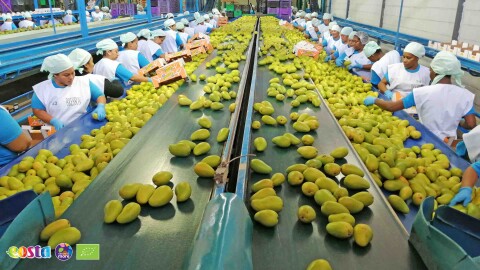
Demand for organic fruit continues to grow, and organic limes are no exception. Their popularity is being driven partly by increasing demand for cocktails, mocktails and homemade lemonades, as well as their wider use in salads, curries and other dishes. Consumers are also increasingly choosing citrus grown without synthetic pesticides and without post-harvest fungicide treatment.

Kivinaki

Kivinaki ready for the new Organic Raingrown Oranges season

Ahead of the new organic orange season, our sourcing team visited Kivinaki in Peru. Over the past four years, we have built a successful export programme with this growers’ co-operative. During the visit, we worked together to prepare for the coming months.

Pineapple

Healthy soil makes organic pineapples more resilient

In Costa Rica, too, the effects of climate change are becoming increasingly apparent. Heavy rainfall, in particular, is making organic pineapple cultivation more challenging and requires growers to be adaptable.

Copyright © Eosta | Webdesign: Pencilpoint - creatief in vorm & inhoud