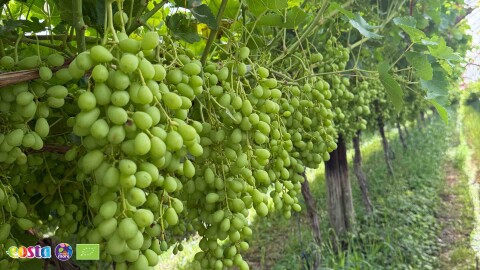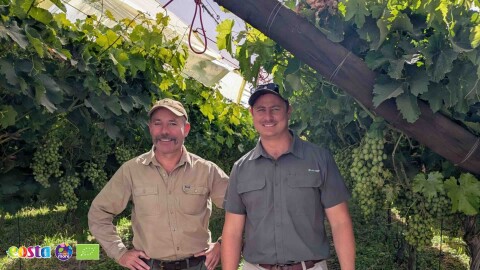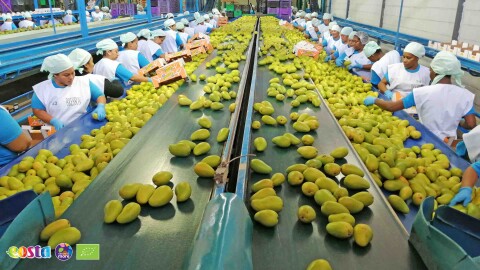
A significant proportion of farmers worldwide are smallholders, essential for local food supplies and income from the export of crops such as cocoa, coffee and fruit. Stringent certification requirements, however, threaten their livelihoods. This cannot and should not be the intention.
The role of exports for small-scale growers
These small growers are often families who grow their crop on less than one hectare of land. Exports in particular give these farmers and their families the income to make a reasonable living.
Eosta's support
Eosta has been buying product from small-scale growers for years, where the direct impact of an income can be seen in building homes, children's education and access to healthcare.
Challenges of certification
Nevertheless, the future does not look bright for these growers. Europe has made efforts on certification, with good results worldwide, such as on social and working conditions.
Companies exporting agricultural products are now required to obtain social certifications, to prove that labour standards and rights are respected on farms and in warehouses. Although these audit rules and social standards were originally designed for larger companies, small-scale growers are also facing them.
Unrealistic requirements
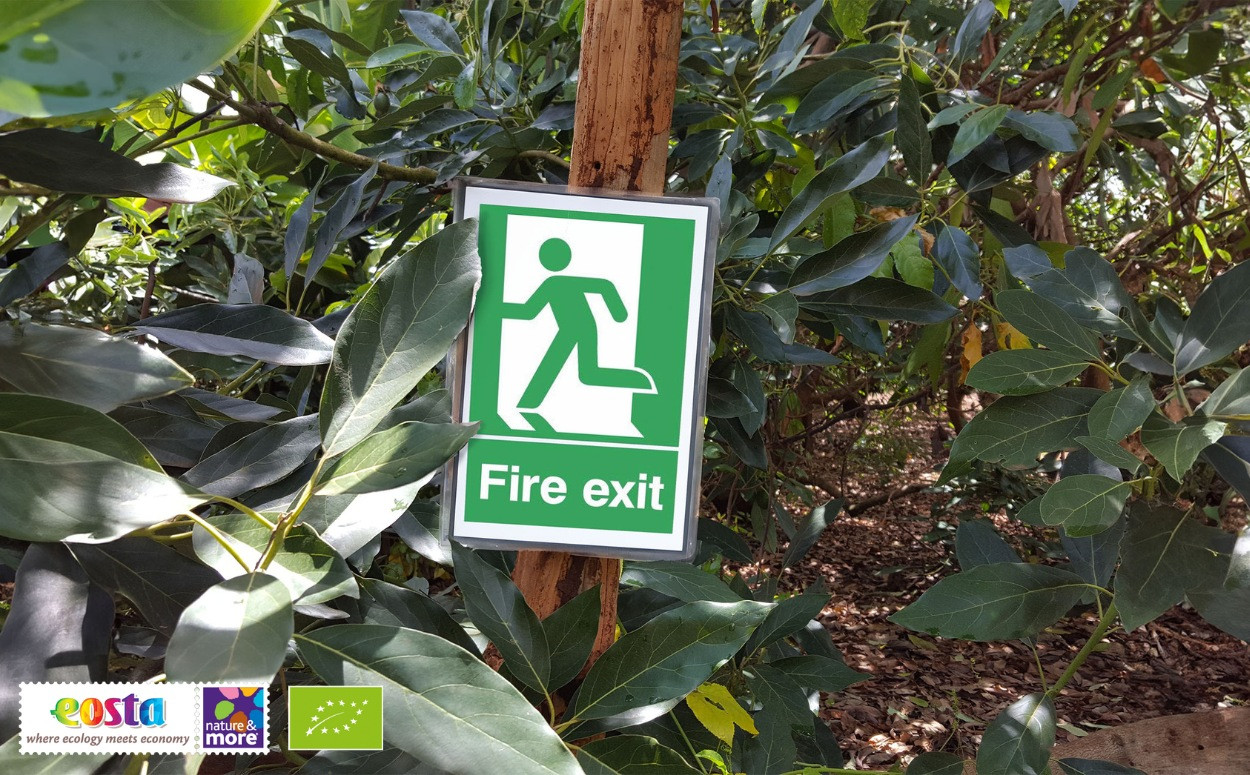
Gert-Jan Lieffering of Eosta: "I regularly encounter situations where I wonder: What are we actually doing? Frequently, I come across small growers who have marked their (emergency) exit with a sign somewhere along a path outside. Or a complaint box attached to the wall of a shack on the property. This while these people don't even have employees."
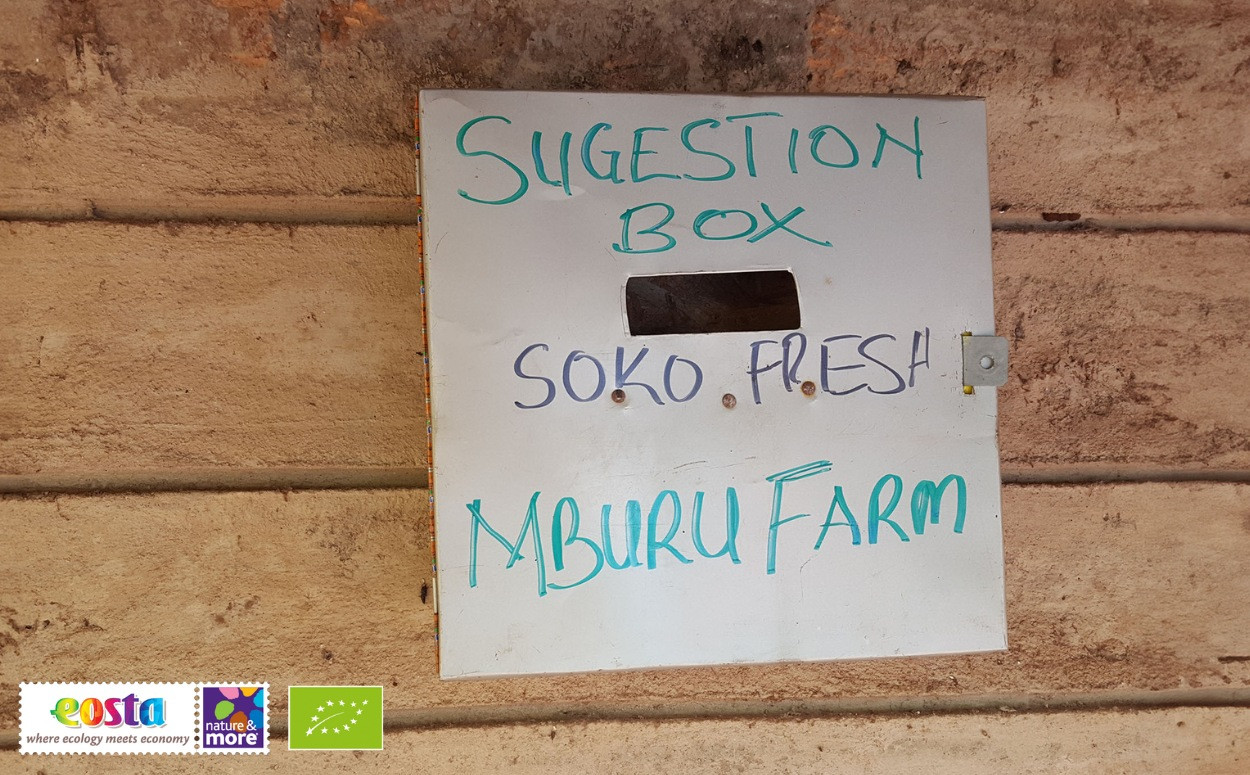
High-cost certifications
Not only are these certifications not suitable for these small-scale growers, but their cost is also significant. An average supplier of ours needs about four certifications, which involves substantial expenses.
Lack of specific regulations
There is little attention to the specific challenges of small-scale growers within the existing regulations and standards. With the advent of CSRD regulations, which increase pressure on data delivery and registrations, Gert-Jan fears that the position of these growers will deteriorate further. He cannot imagine that this was ever the intention.
Stringent water requirements
There are now strict requirements and controls on water too, which is justified. However, the situation for small growers here is also different. Many growers have no money for irrigation systems and rely on rainwater. Yet they face water certification requirements.
It is frustrating and harmful to pay for an auditor, who is required to visit, and then finds that no irrigation is taking place. Rules are important, but nonsensical rules are both irritating and harmful to the future of small-scale growers.