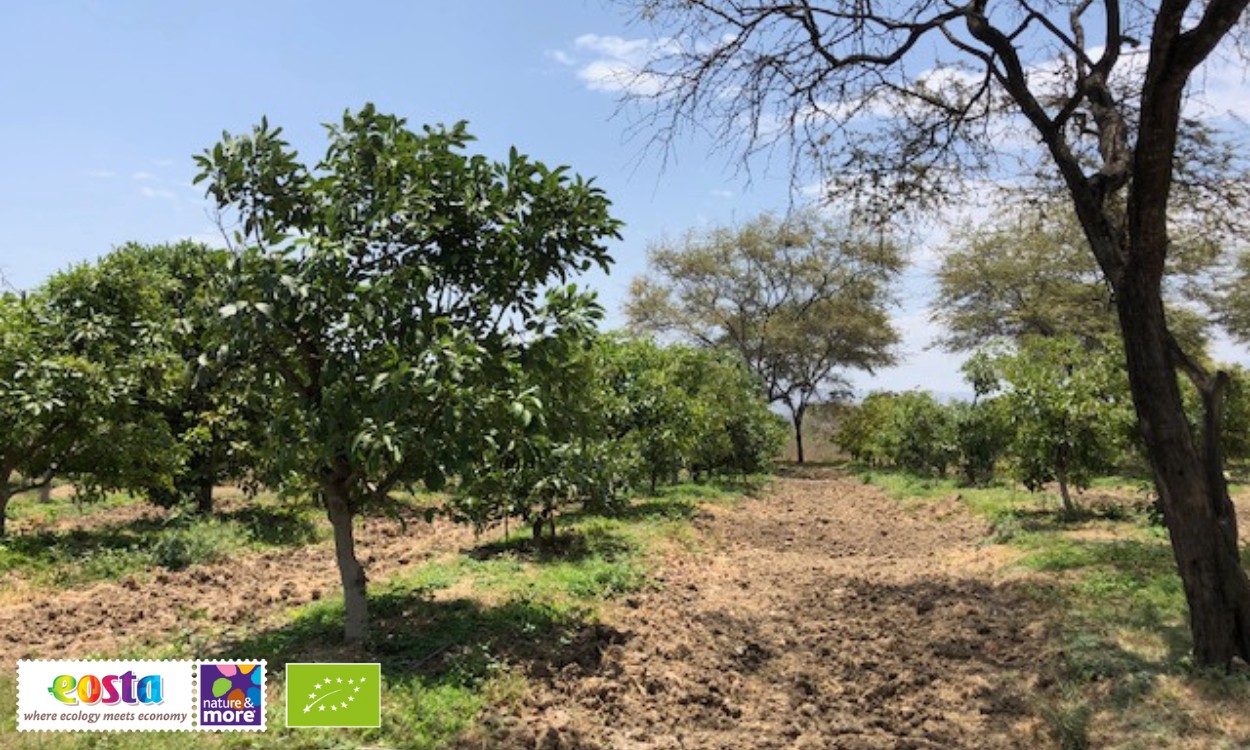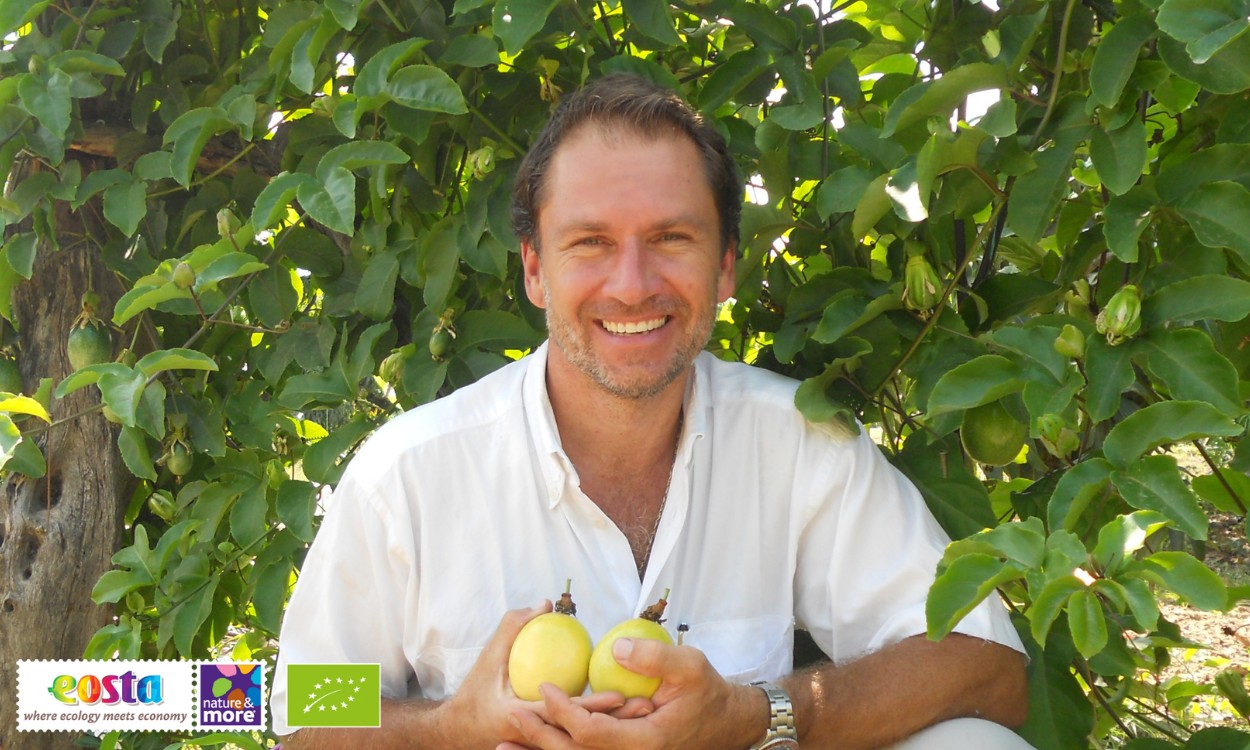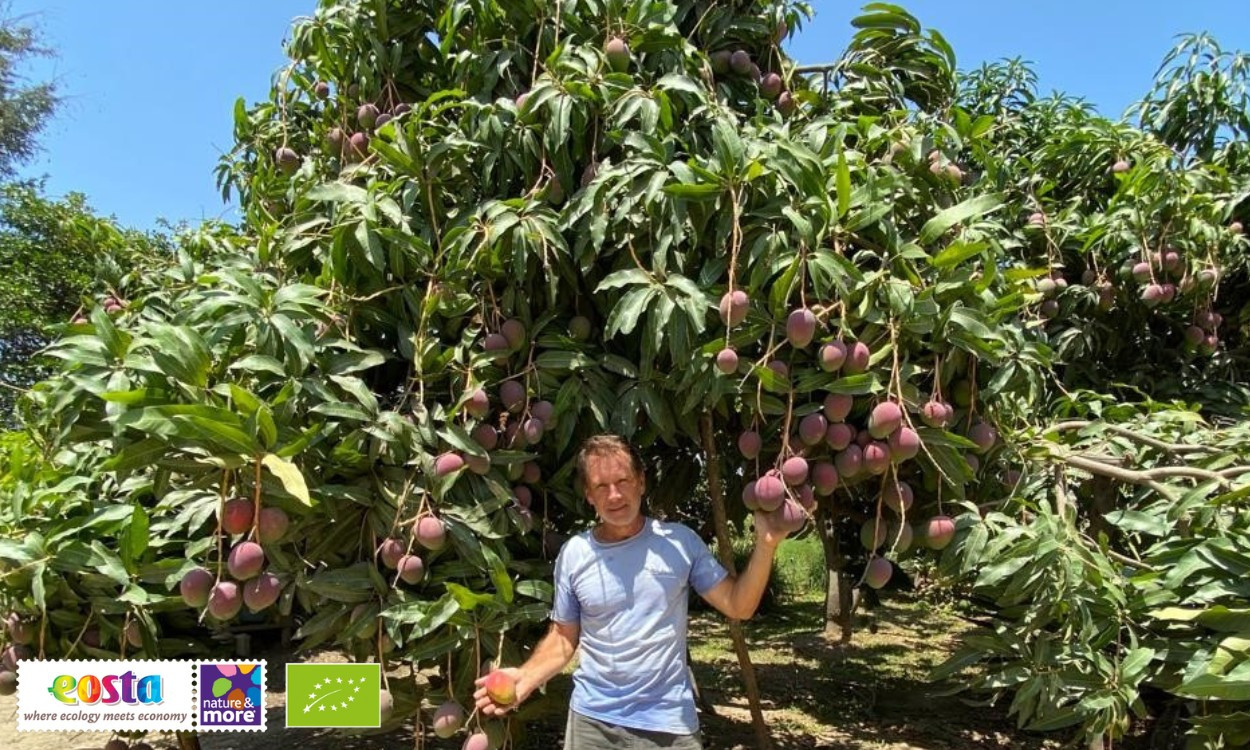
As a pioneer in combining organic and regenerative farming principles, Jan Bernard of Pronatur has been an inspiring example for many years. His farm in the Peruvian province of Lambayeque is a beautiful testament to how sustainable farming can strengthen both ecology and the economy.
Cooperation of farming families
ProNatur began in 1996 as a cooperative of 1,200 farming families, who collectively managed over 3,500 hectares, primarily for coffee production. Over the years, Jan has also established his own farms, where various crops are grown, such as mangoes, bananas, passion fruits, beans, and asparagus. Thanks to the work of Jan Bernard and his team, the farmers on the farms have not only improved their incomes but also actively contribute to the protection of around 50,000 hectares of rainforest.
Beyond organic
What makes Jan Bernard so special is his commitment to regenerative agriculture, a method that goes beyond organic farming. His farm in Tongorappe is a perfect illustration of how this works in practice.
Soil regeneration by rotation
By growing crops in rotation - such as bananas and passion fruit, alternating every few years - and restoring the soil with crops such as beans and lupins, the soil is naturally regenerated. This process ensures healthy soil structure, enhances biodiversity and reduces the need for artificial fertilisers or chemical pesticides.
Strong crop combinations
The principles of regenerative agriculture at ProNatur also include growing crops together that reinforce each other, such as avocado and ginger. The shade of the avocado protects the ginger plants, while the soil remains covered, allowing microbiology to develop optimally. This kind of integration of ecology and agriculture also carries economic resilience, not unimportant in today's times of climate change and logistical challenges.
Long-term cooperation
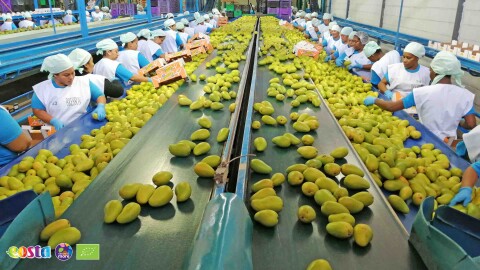
Eosta has been working with Jan Bernard and his team for many years, providing high-quality, organic, regeneratively grown produce. For a long time, Eosta has been importing fresh organic mango from ProNatur.