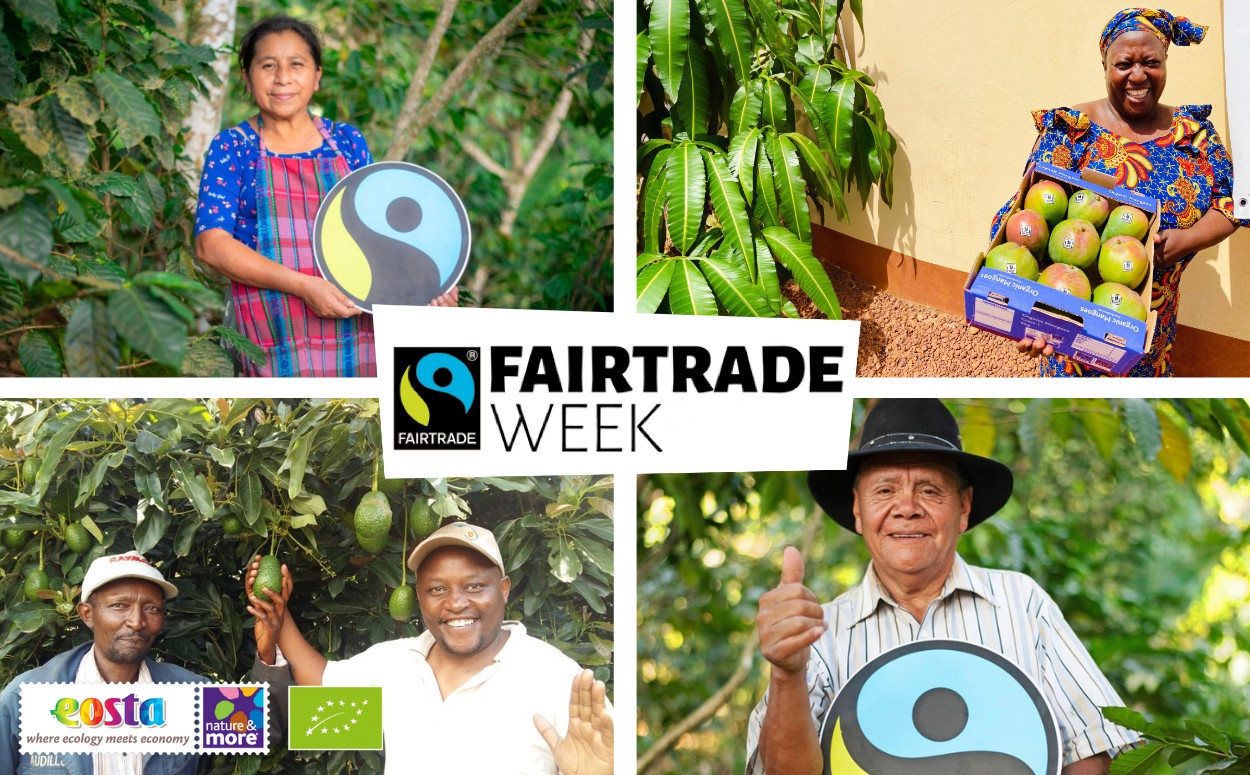
From 26 October to 3 November, it is international Fairtrade Week - a week to reflect on where products come from and whether farmers receive a fair price for their hard work. Unfortunately, this is still far from obvious.
Why are fair prices important?
Many farmers and workers still live in poverty. They are underpaid for their efforts, leading to problems such as child labour, exploitation and deforestation. By paying farmers a higher price, they can send their children to school, buy food and maintain their houses.
Investing in sustainability
Fair prices enable farmers not only to meet basic needs, but also to invest in sustainable farming practices. This means no use of harmful pesticides, saving water and preserving forests. In this way, they contribute to a healthier planet.
How Fairtrade helps
Fairtrade supports farmers through minimum prices and a fixed, non-negotiable premium for cooperatives. Members decide together how this premium is invested, e.g. in schools, clean drinking water or health care.
In addition, Fairtrade has recently developed and published a method to calculate a Living Income Reference Price - the minimum a farmer must earn to make a decent living. Fairtrade calls on companies to embrace this standard.
Eosta and fair prices
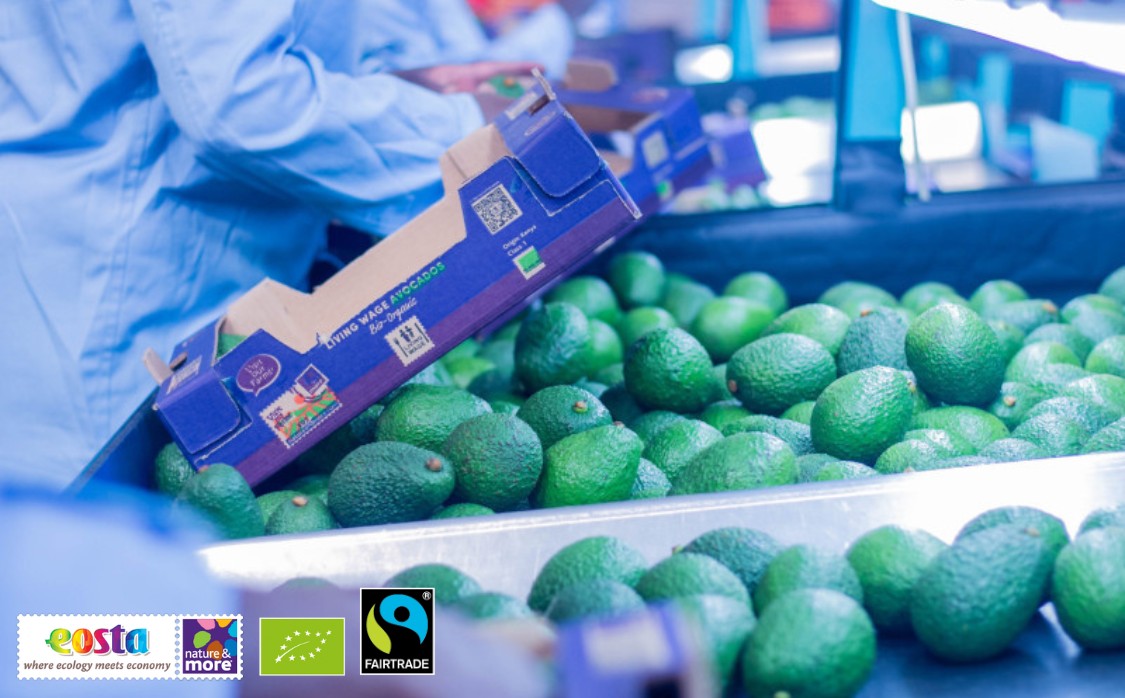
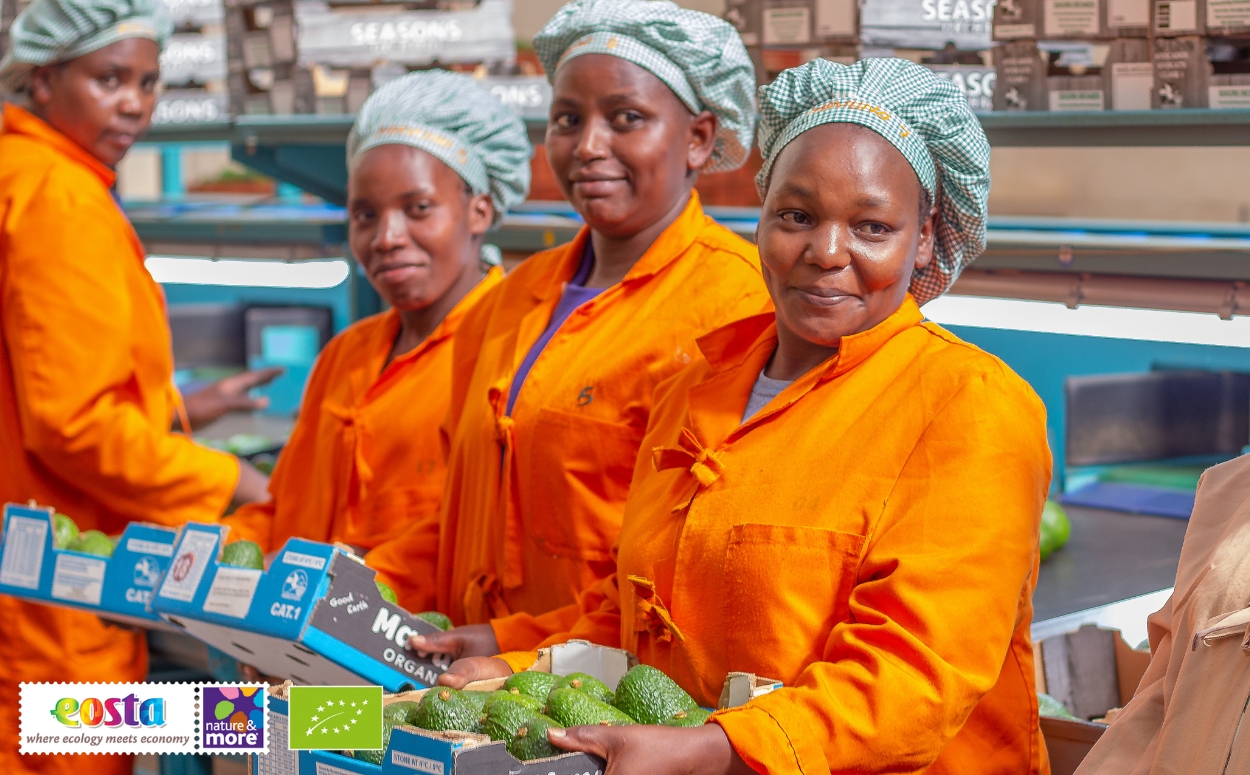
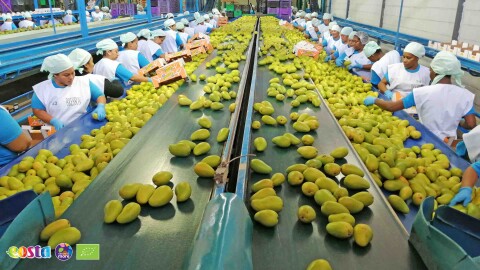
At Eosta, we have been committed to fair prices, even for products without a Fairtrade label, since our establishment in 1991. In 2020, we brought the world's first Living Wage mango to shop shelves, followed in 2021 by the Living Wage avocado from Kenya, which is now also Fairtrade-certified.
Want to know more about our Fairtrade or Living Wage products or projects? Get in touch with your account manager.