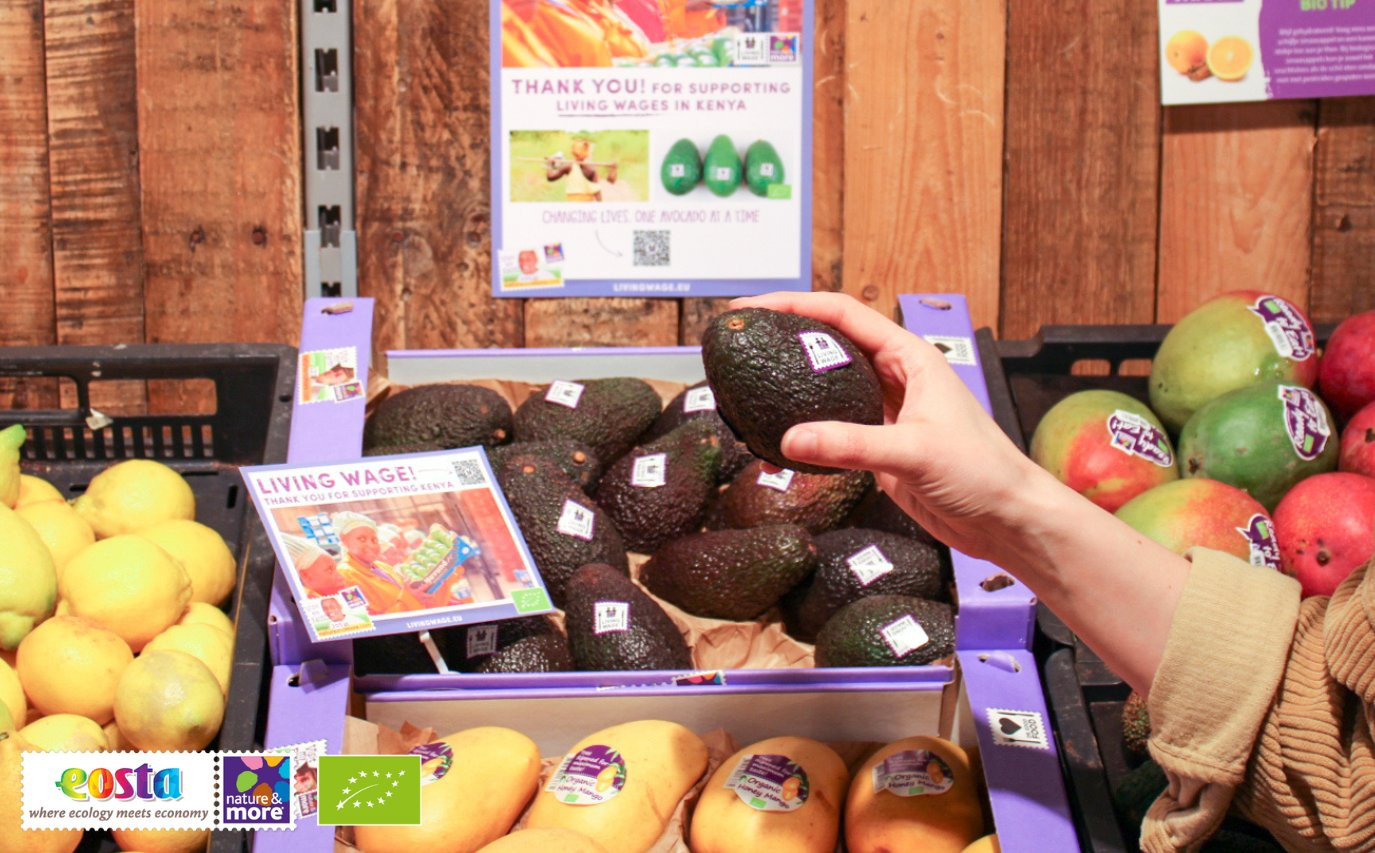
That nudging works to get people to make a more sustainable choice is proven by several studies. Also to entice consumers to choose organic fruit or vegetables more often. Read more in the article Hannah van der Korput wrote for ChangeInc:
What we eat has a big impact on the climate. Research shows that people make around two hundred food choices a day. That's a lot of opportunities to get people to make environmentally conscious choices. How do you subtly push people in the sustainable direction?
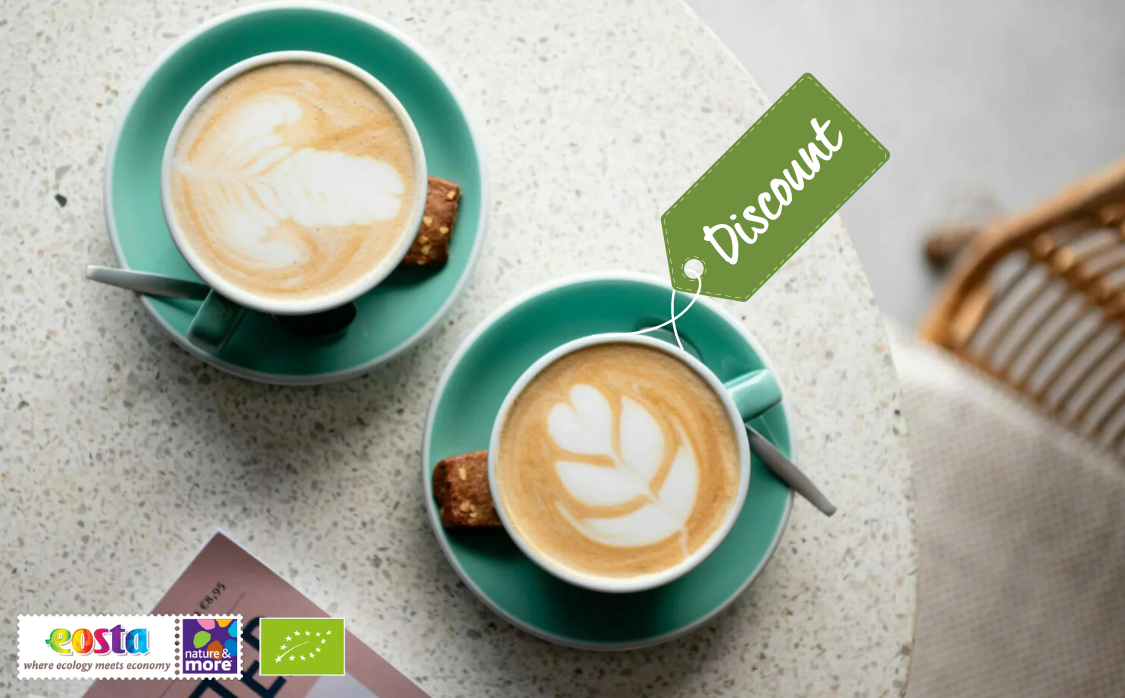
Catering formula Anne&Max was the first national chain to offer discounts on coffees with plant-based milk | Credit: Anne&Max
Before we get to the practice, a brief theory. Nudging is one of the strategies to bring about behavioural change. It is a way to change behaviour without compromising choice. Nudging is often a small change in the social or physical environment that makes it attractive to perform the desired behaviour. The companies below are already doing it. An insight into some effective nudging techniques.
More organic
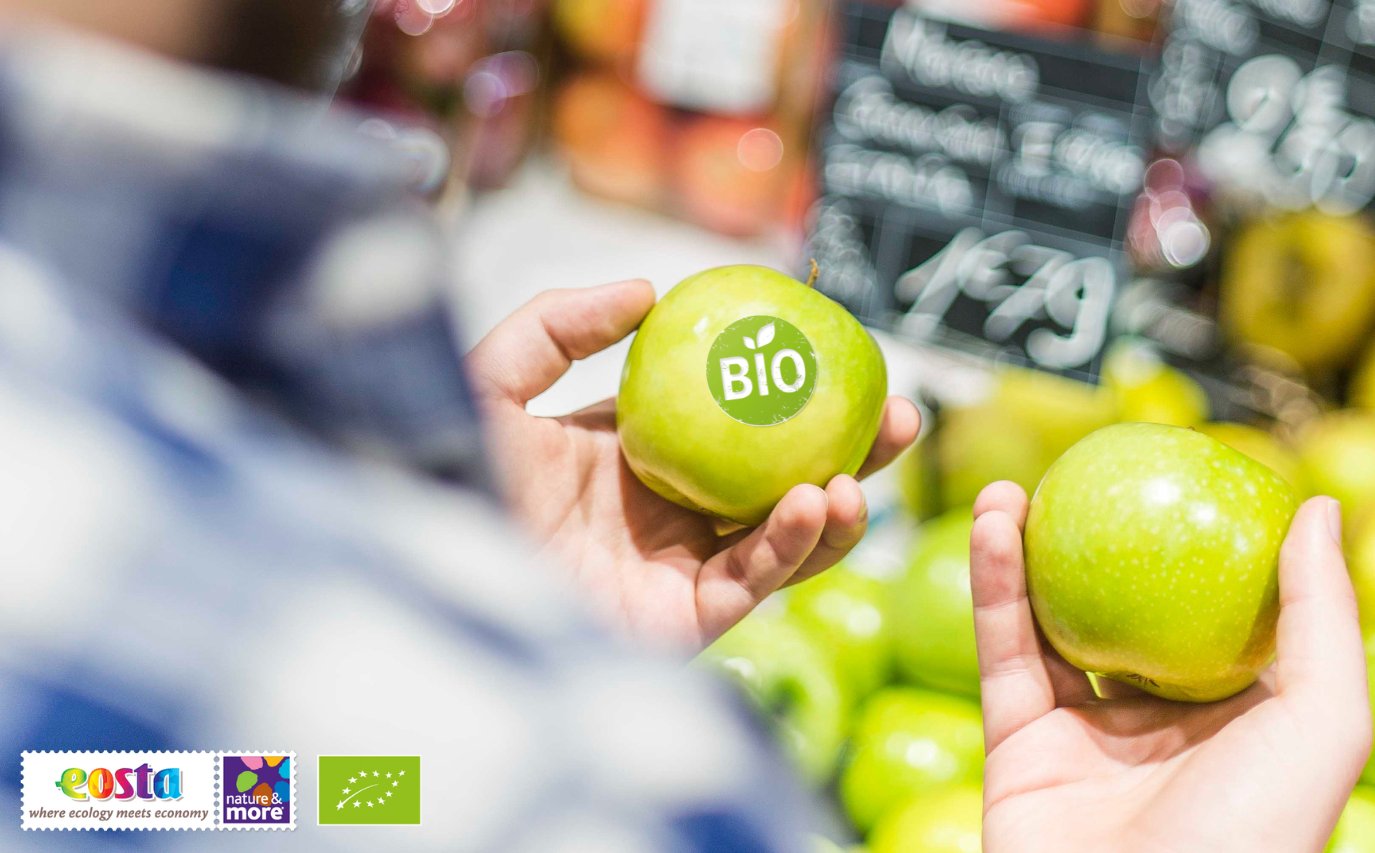
The share of organic food and drink in the Netherlands has hovered around three per cent for years. To increase this percentage, 11 Dutch supermarkets in the province of Brabant (Albert Heijns and Jumbos) applied nudging techniques for 10 weeks on three popular vegetables: sweet pointed peppers, cucumbers and vine tomatoes.
Tickets at the shelves were meant to encourage people to choose organic products. Positive framing was used with the text 'choose taste, choose organic'. Social proof tactics were also used. The message read: '95 per cent of people buy organic'. The reassurance strategy was also used with the text 'thank you for choosing organic'. These little cards had a big effect. They caused sales of the organic sweet pointed peppers, cucumbers and vine tomatoes to increase by 21 per cent. The sign with the message 'choose taste, choose organic', accounted for a whopping 25 per cent increase. Read more about this nudging campaign here. (in Dutch)
Climate warning on menu
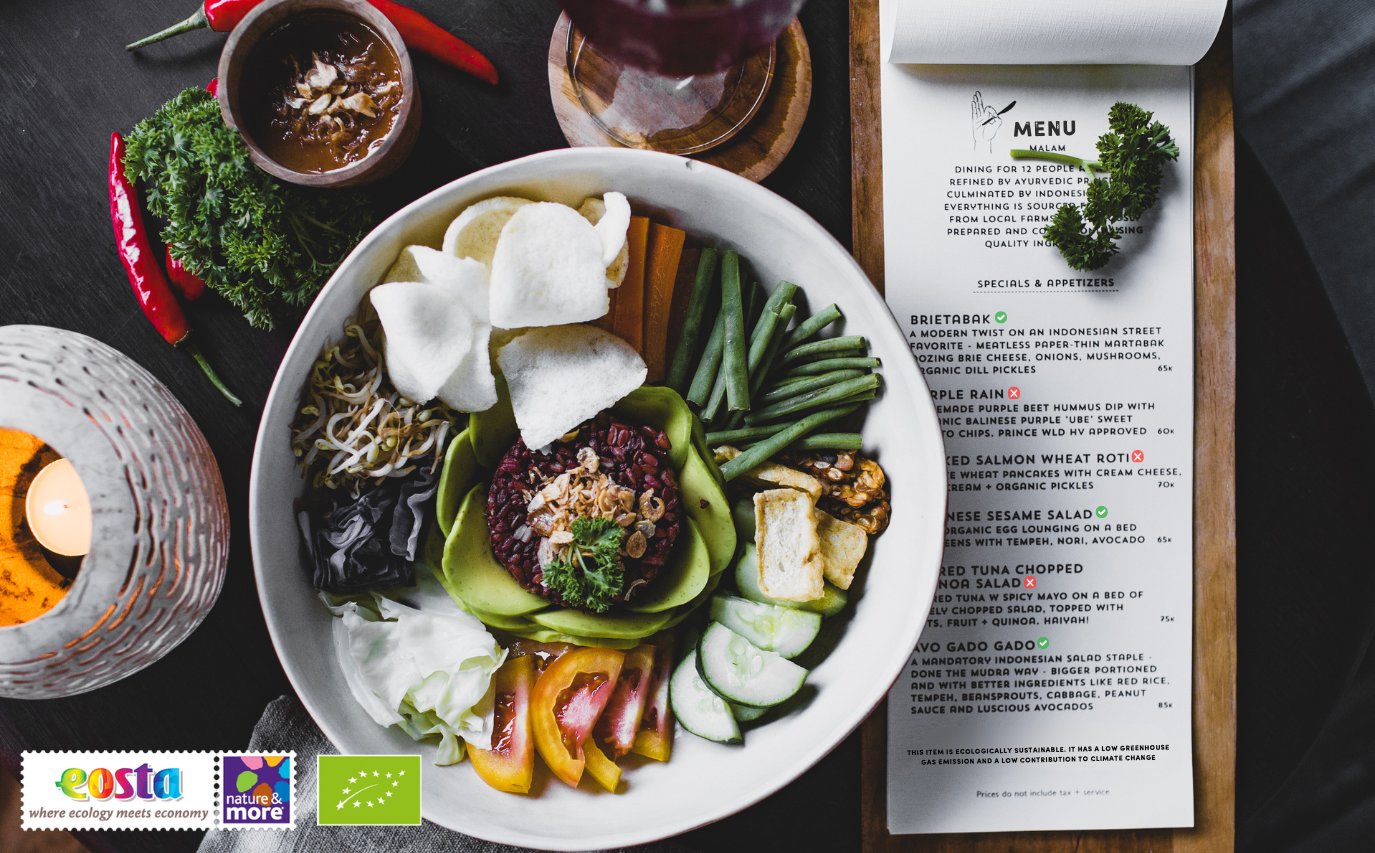
Another successful study came from the US Johns Hopkins University. Scientists asked some five thousand Americans to choose a dish from a menu. One menu indicated that dishes with red meat have a negative impact on the climate. The dish was given a red label saying, "This item has high greenhouse gas emissions and a high contribution to climate change."
The other menu features green labels with positive text accompanying more sustainable dishes without meat. The message: "This item is environmentally sustainable. It has low greenhouse gas emissions and a low contribution to climate change."
Compared with participants from the control group (who were shown a menu without labels), 23.5 per cent more participants chose a sustainable dish when shown the menu with red labels. When seeing the menu with green labels, almost 10 per cent more participants chose a more sustainable product. So, according to the researchers, it works better if the negative impact of food is highlighted rather than the positive impact.
Discount on oat milk
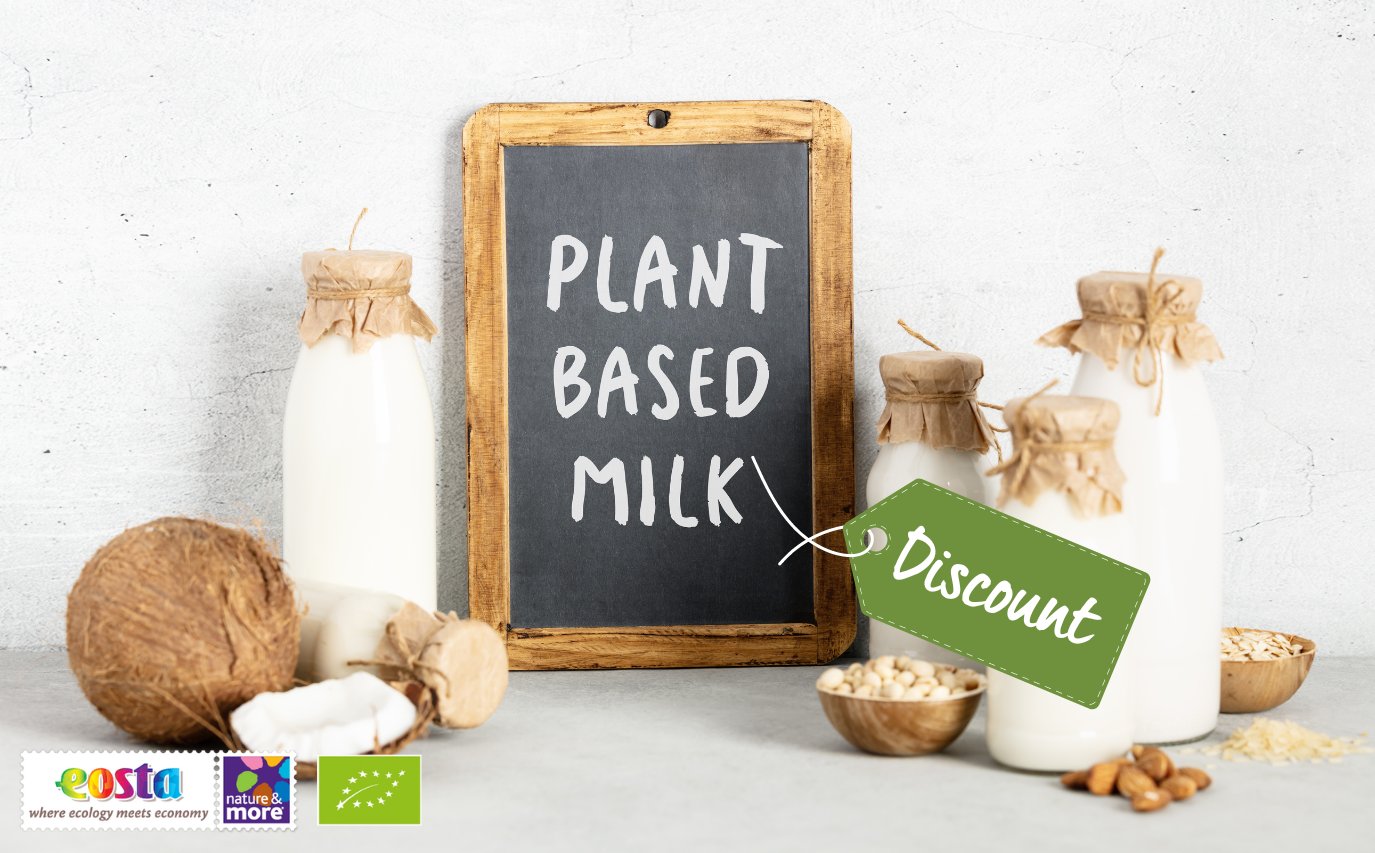
Price differentiation is also a nudging technique. For instance, hospitality formula Anne&Max was the first Dutch chain to offer a discount on coffee with plant-based milk. "That's part of that positive approach," founder Wobbe van Zoelen told me in an earlier interview. "You can punish people for drinking cow's milk and charge more for it, but I find that weird. It's more logical to give a discount on oat milk to encourage the plant-based choice. This has had an effect: 24 per cent of all our milk coffees are already with oat milk. Moreover, coffee chains followed our example. That is, of course, very nice to see."
Meat and meat substitutes
In seventy Lidl supermarkets in North Holland, meat substitutes were temporarily on the meat shelf. These included vegan rulgebeef, veggie chicken pieces, vegan shoarma schnitzels and veggie burgers. The supermarket wanted to test whether people are more likely to choose a sustainable alternative when it is in front of their nose.
Normally, meat substitutes are in a separate shelf, so meat eaters sometimes don't even notice the alternative products. For the test, Lidl collaborated with scientists from Wageningen University and World Resources Institute (WRI).
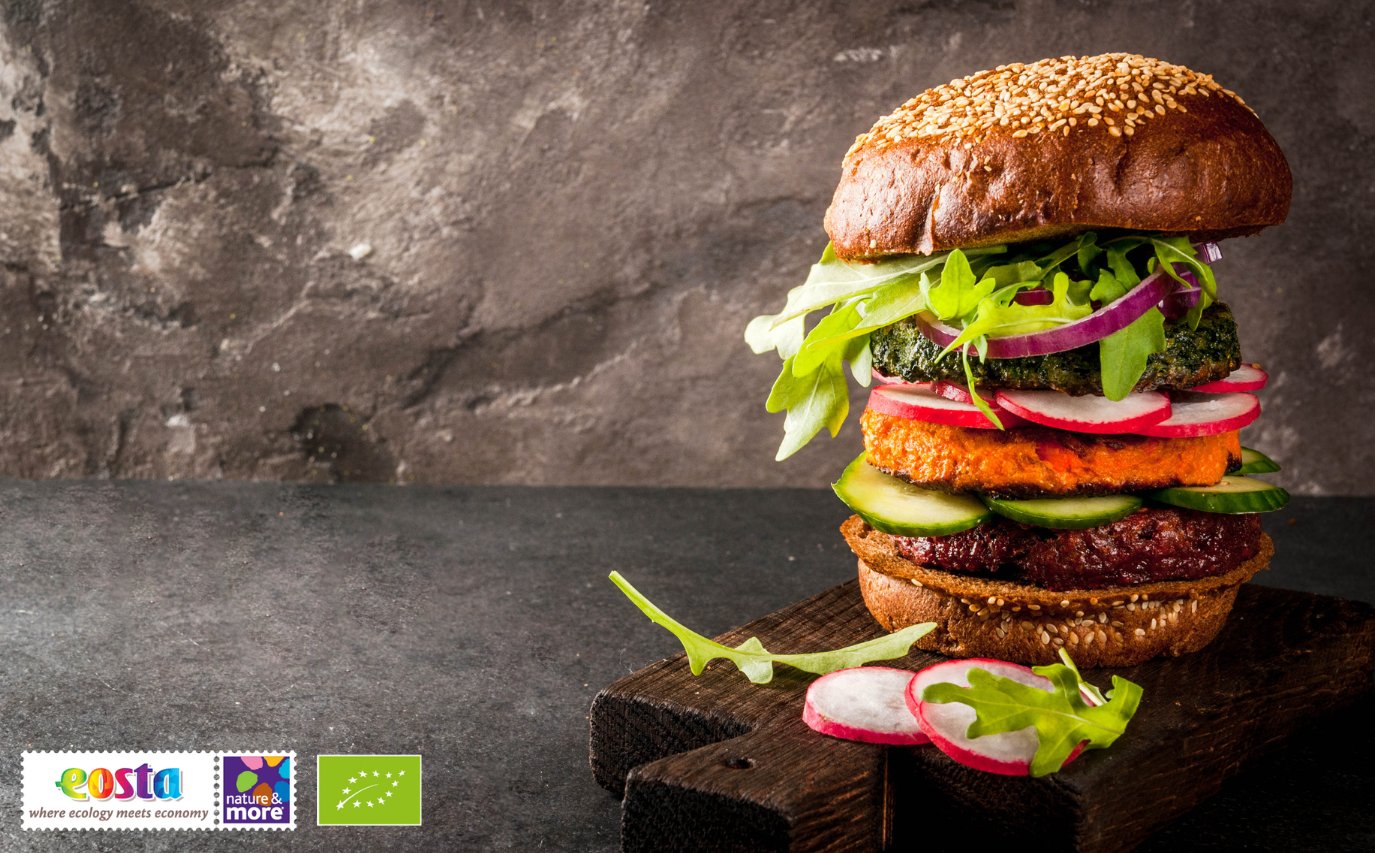
The result: during the pilot, an average of 7 per cent more meat substitutes were sold. XXL packs did particularly well in this respect. For large portions, sales of meat substitutes rose by 28 per cent. Interestingly, people bought both meat and meat substitutes. As a result, sales of meat products hardly fell at the bottom.