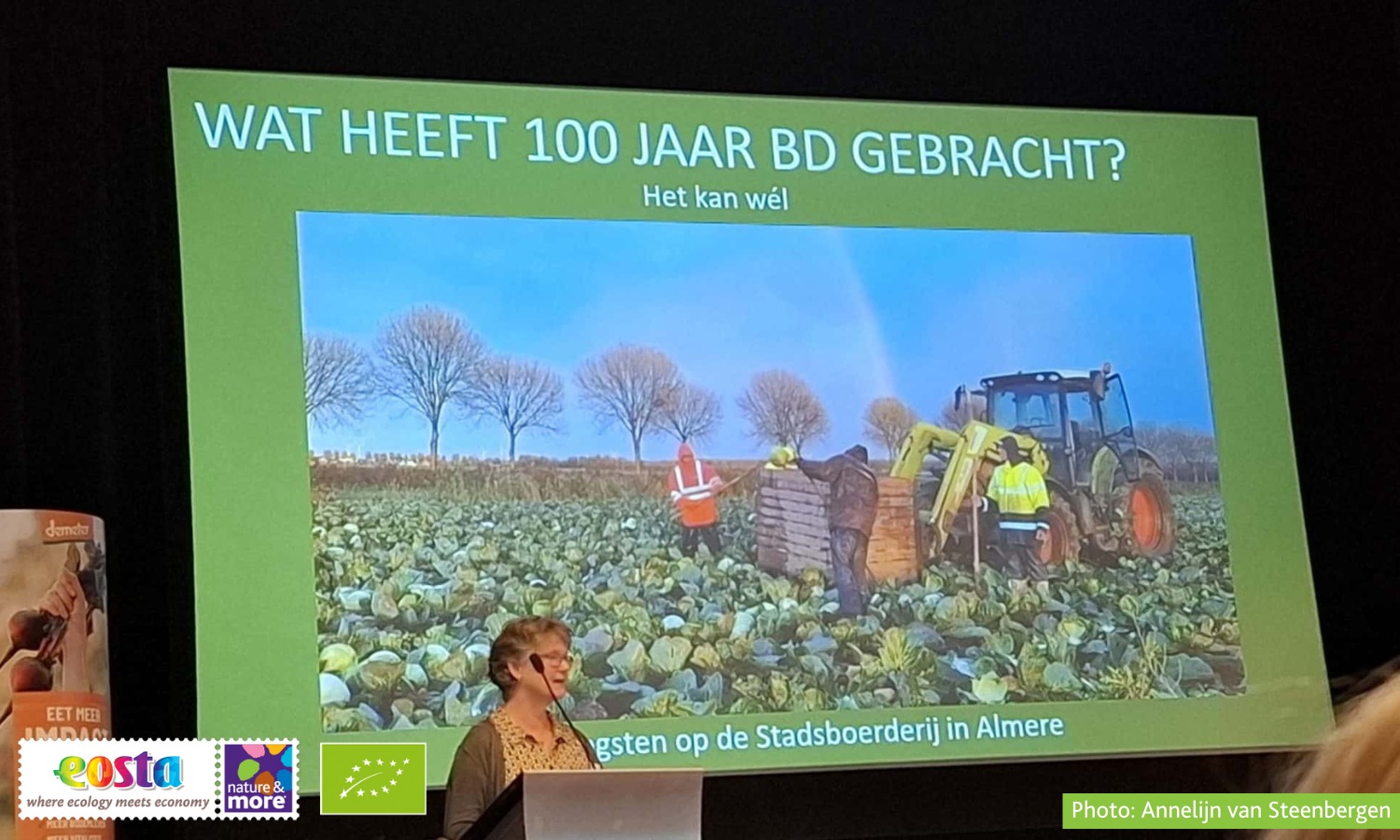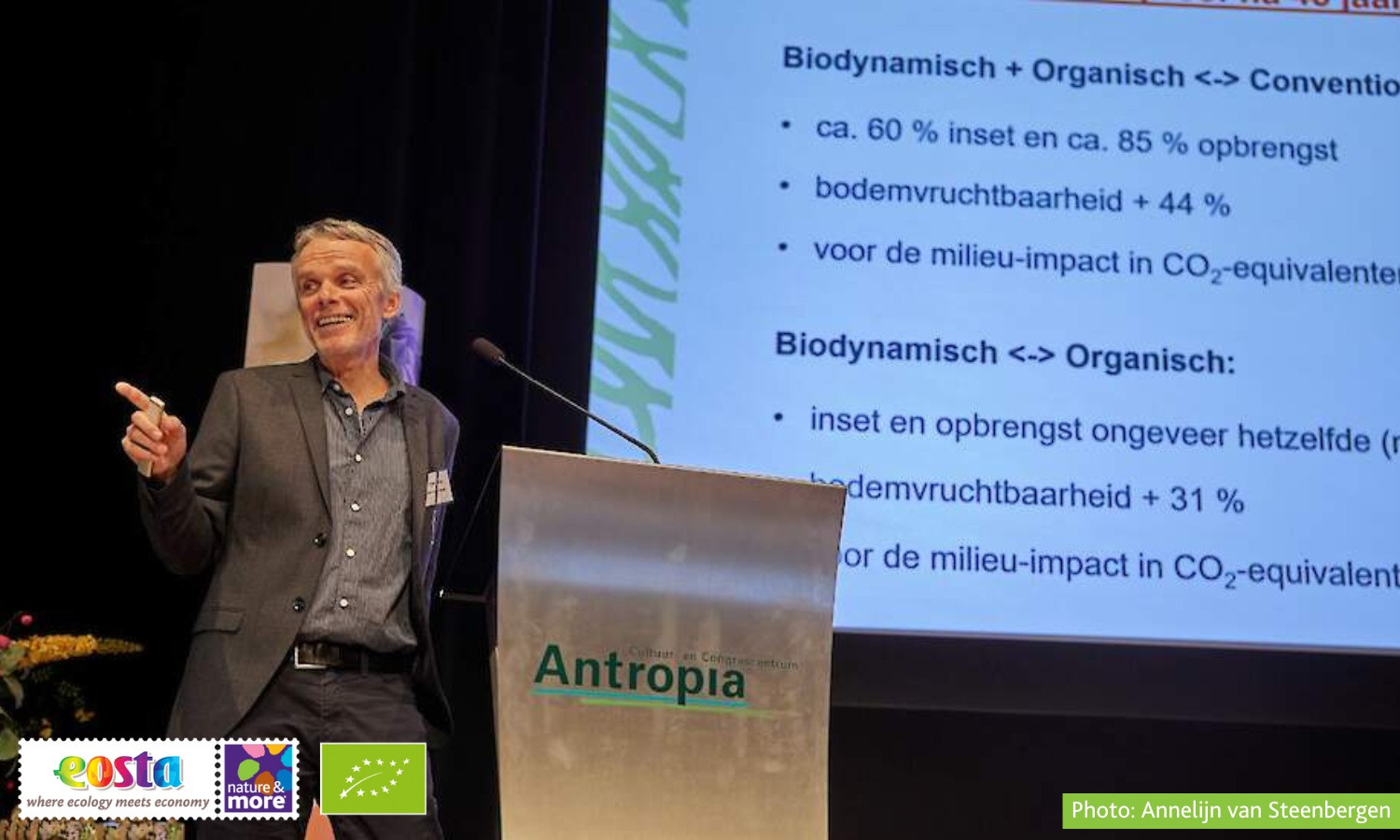
Biodynamic agriculture performs significantly better in terms of soil fertility, environmental impact and climate adaptation. This is shown by the latest findings of the Swiss DOK trial, which has been comparing the effects of conventional, organic and biodynamic agriculture since 1978. The latest results were presented by Jürgen Fritz, at the scientific congress held in the Netherlands, on the occasion of 100 years of biodynamic agriculture.
Key findings
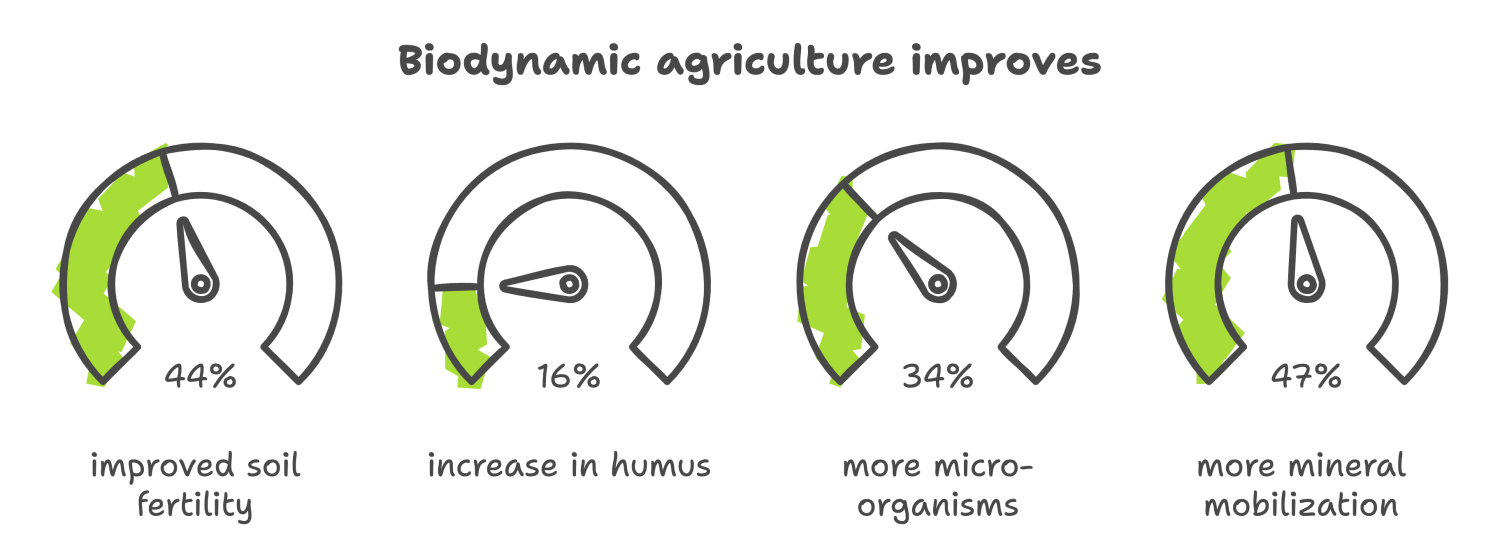
Biodynamic agriculture improves soil fertility by 44% compared to conventional agriculture, with higher levels of humus, micro-organisms - part of the so-called soil microbiome - and mineral mobilisation. It also increases the resilience of crops, making them more resistant to climate stresses such as drought and heat. Compared to organic farming, biodynamic cultivation shows a 16% increase in humus, 34% more micro-organisms and 47% more mineral mobilisation.
Healthier crops
Biodynamic practices also improve the nutritional value of crops. Research has shown that the use of biodynamic preparations, such as horn manure and horn gravel, increases antioxidants in pumpkins, for example, making them not only more nutritious but also more resilient.

Biodynamic agriculture and climate adaptation
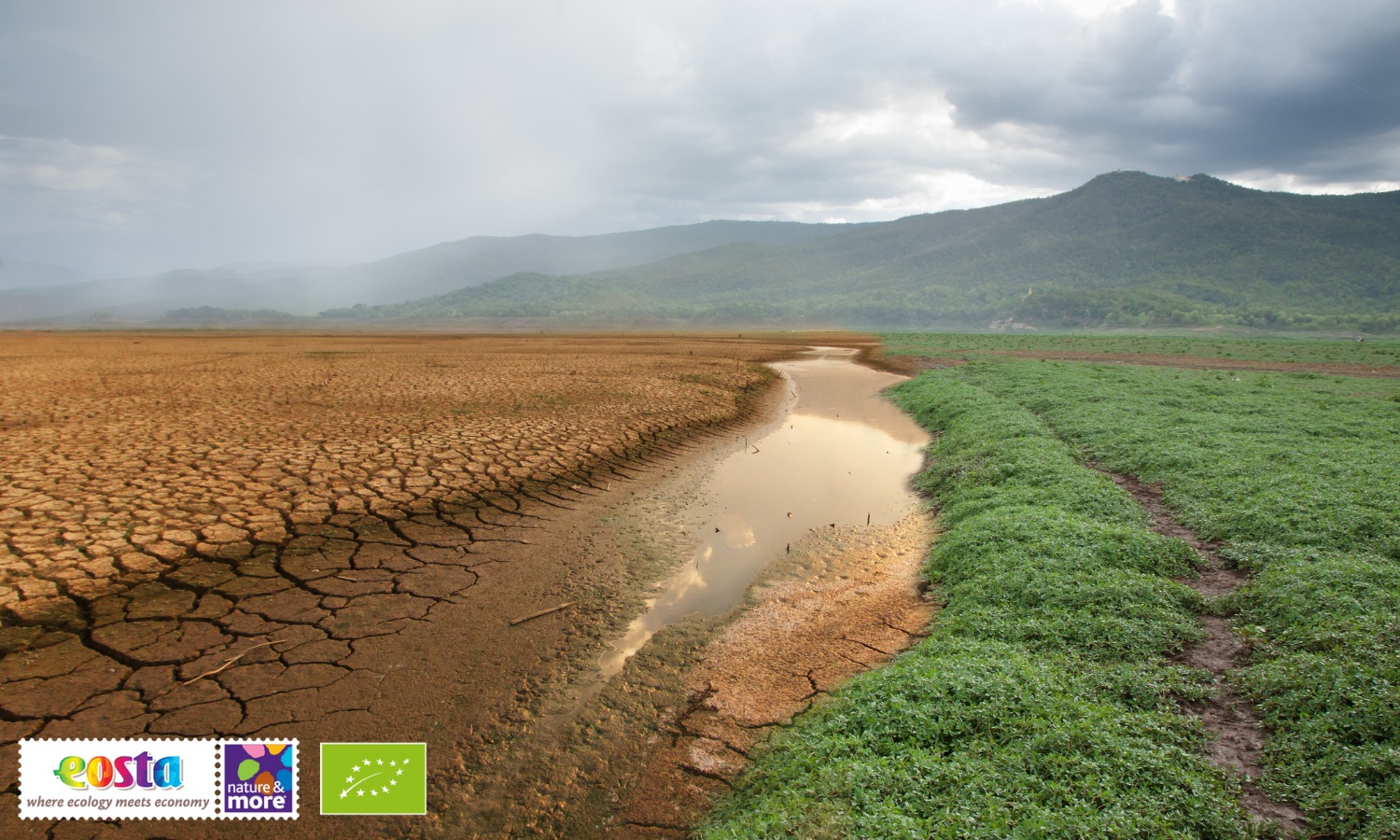
With climate change leading to more extreme weather events, it is essential that farming systems are resilient to these changes. Biodynamic agriculture focuses on soil health and plant resilience, contributing to long-term sustainability.
Biodynamic agriculture: sustainable solutions for the future
The DOK trial findings mark an important step in the further development of biodynamic agriculture. It reinforces the belief that biodynamic methods not only contribute to healthier soil, but also to a more sustainable agricultural practice that can help combat climate change.
Want to know more? Read the full article on the presenration of the DOK trial results here