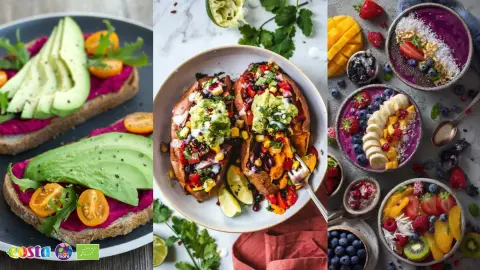
1. Plant-based eating: more natural and less processed
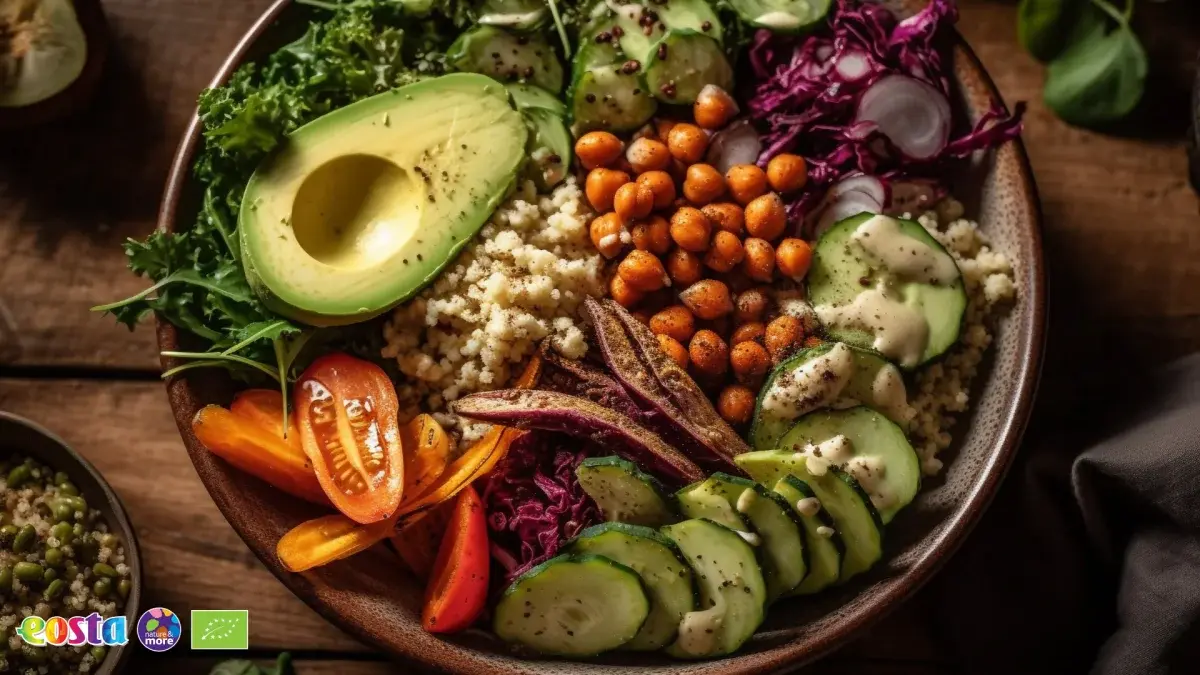
Plant-based and flexitarian diets top Nutrition Hub’s list: 82 per cent of the experts surveyed expect this trend to continue growing. Furthermore, the focus is shifting from strictly vegetarian or vegan diets to a more flexible eating pattern, in which plant-based products play a more central role.
This development is also evident internationally. Innova Market Insights identifies, under the ‘Authentic Plant-Based’ trend, a shift from plant-based alternatives that mimic animal products to products valued for their own nutritional merit. Nearly two-thirds of consumers surveyed worldwide believe that plant-based products should stand on their own merits, rather than simply replacing other foods.
The growing interest in plant-based eating could therefore also boost the consumption of fresh fruit and vegetables.
2. Nutritional value and natural ingredients are becoming more important
Consumers are taking an increasingly critical look at what their food actually has to offer. Innova identifies Nutrient Density Design as the key Food & Beverage trend for 2027: nutritional value is receiving greater attention in product development and evaluation.
59 per cent of consumers surveyed worldwide say they read most or all of the nutritional information on packaging, paying particular attention to sugar, protein and fat. Both nutritional value and how clearly it is communicated play a role. This aligns with the Terrapy trend identified by Nutrition Hub. According to 44 per cent of nutrition professionals, there is growing interest in home cooking, baking and fermentation using natural ingredients. Recognisable, minimally processed products and home-cooked meals are central to this trend. Fresh fruit and vegetables fit naturally within this development.
3. Gut health and dietary fibre remain in the spotlight
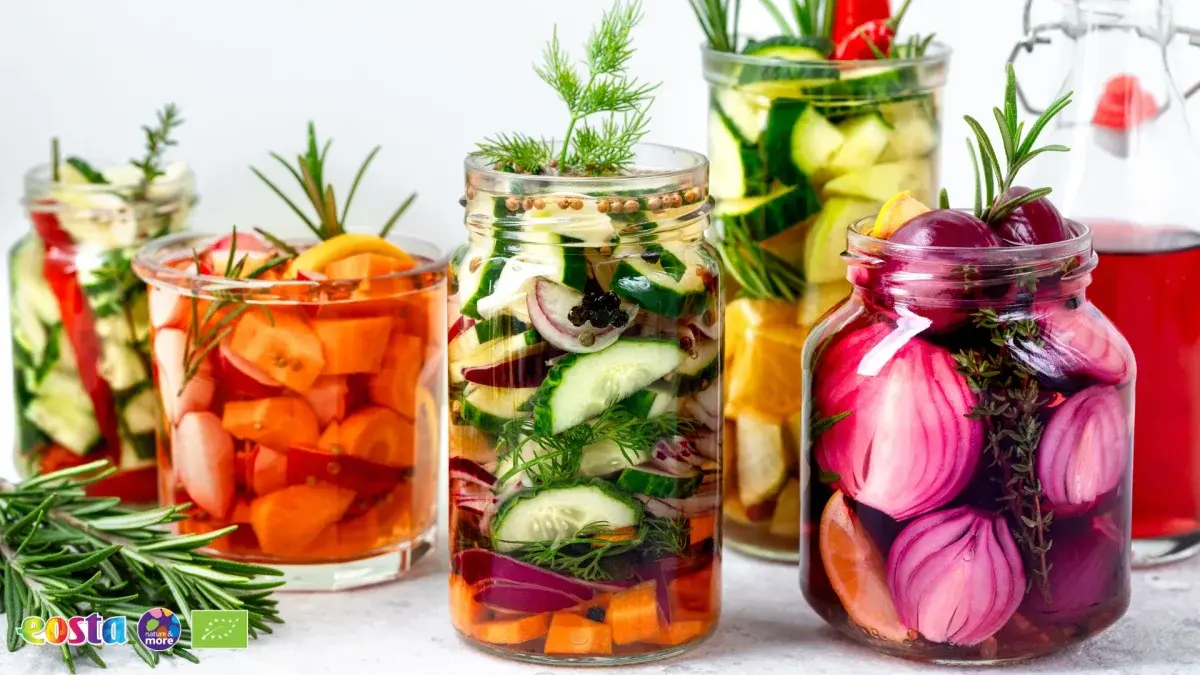
Gut health is a recurring theme in nutritional research. According to Nutrition Hub, 59 per cent of the experts surveyed expect attention to this topic to grow further. Interest in the gut microbiome is also also fuelling interest in fermented foods, probiotics and prebiotics.
Innova has also identified this trend. The ‘Gut Health Hub’ takes centre stage in the Food & Beverage Trends for 2026, whilst ‘Ferment Forward’ features in the trends for 2027. Fermentation is receiving greater attention due to its applications in flavour, product development and potential benefits for gut health.
38 per cent of consumers surveyed worldwide say they are interested in fermentation because of its potential benefits for gut health. Home fermentation also fits in with the growing interest in preparing natural foods, as highlighted by Nutrition Hub. Examples include making your own kimchi, sauerkraut or other fermented vegetables. Fresh vegetables form the basis of these products. An additional characteristic of organically grown vegetables is that they are cultivated without synthetic chemical pesticides.
Dietary fibre is also receiving more attention. Fruit and vegetables can make an important contribution to daily dietary fibre intake as part of a varied diet.
At the recent international food fair SIAL 2026 in Paris, the growing focus on functional foods was clearly evident, with a striking number of new products enriched with dietary fibre, prebiotics and probiotics.
4. Sustainability: from farm to shop shelf
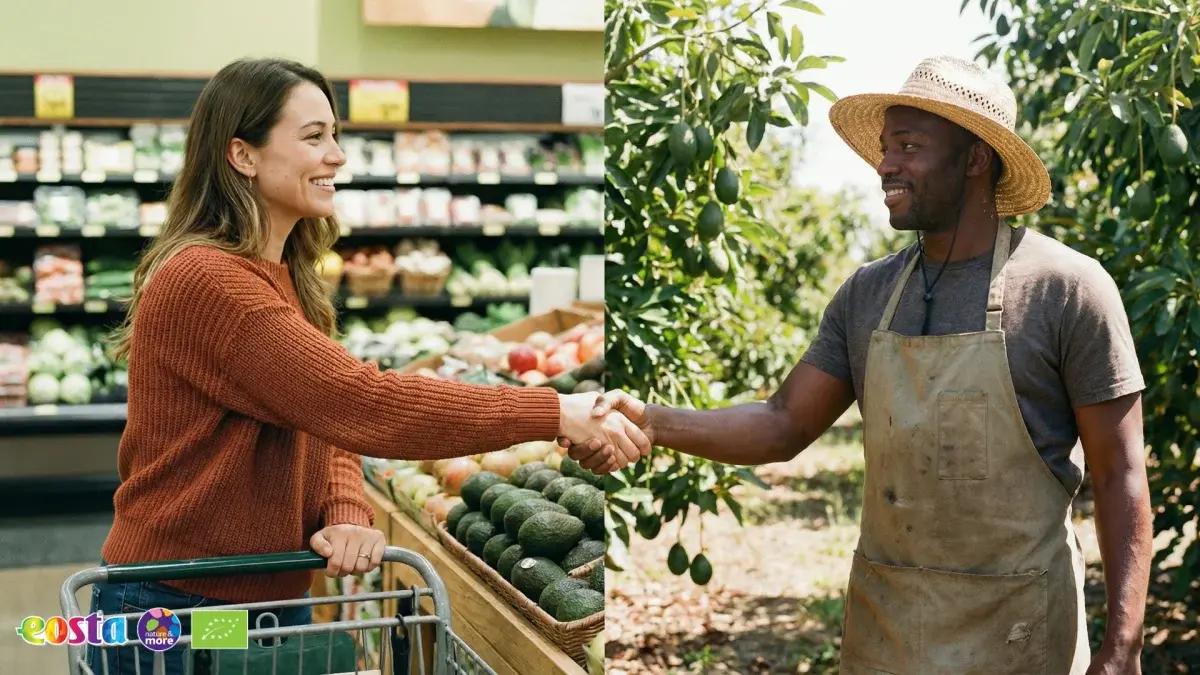
Sustainability remains a key theme within the food market. According to Nutrition Hub, 64 per cent of the experts consulted believe that sustainable and climate-conscious food will continue to gain in importance.
In its international trends for 2027, Innova Market Insights places a striking emphasis on one particular area. Under the heading ‘From Soil to Shelf’, the focus shifts to the beginning of the food chain: how ingredients are grown, where they come from, and how farming methods contribute to long-term food production security.
Sustainability is therefore not just about a product’s environmental impact, but also about the future viability of agriculture and the availability of raw materials. Supermarkets and specialist organic shops have opportunities to highlight these product qualities and the stories behind them. This makes not only the price of a product, but also what it has to offer, part of the purchasing decision.
Transparency plays a key role here. 27 per cent of consumers surveyed worldwide say that information about farming methods would increase their trust in a food product.
This ties in with another trend from Innova’s Global Consumer Trends 2027: Honest & Believable. Consumers are looking for trustworthy brands and credible information. For example, 36 per cent say that a good brand reputation would increase their trust in food products.
5. Convenience and flexibility: new eating occasions
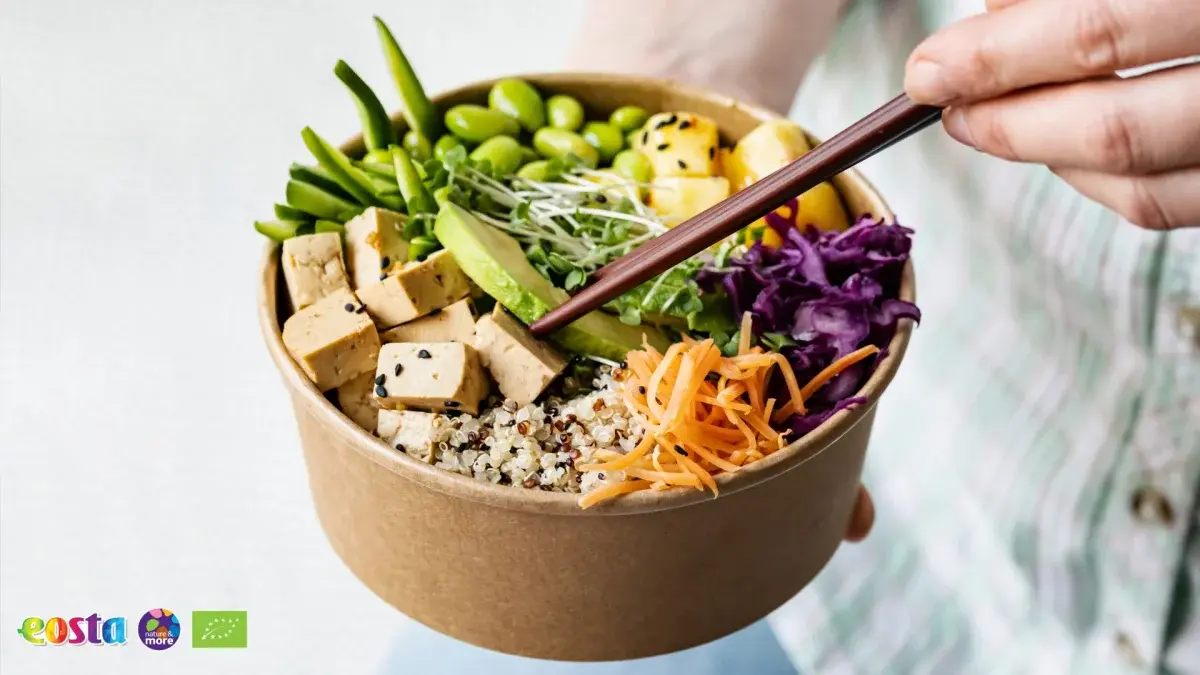
As well as what consumers eat, when and how they eat is also changing. Nutrition Hub describes this development as ‘Snackification’: the shift from traditional main meals to more flexible, smaller eating occasions spread throughout the day.
34 per cent of the food professionals surveyed expect this trend to continue growing, although opinions on this are divided.
In its ‘Made for Moments’ section of the trends for 2026, Innova highlights the growing importance of products suited to different consumption moments.
Supermarkets are responding to this with an ever-expanding range of fresh, high-quality and convenient meal solutions. These range from salads, wraps and poké bowls to sushi and ready meals, in which fresh vegetables often play a key role. Breakfast and snack pots containing recognisable ingredients such as fresh fruit, nuts, seeds and chia seeds also fit within this trend. Convenience and flexibility go hand in hand with a focus on taste, freshness and quality.
What do these trends mean for organic fruit and vegetables?
Nutritional value, natural ingredients, plant-based diets and sustainability remain key themes, but are taking on new dimensions. Transparency regarding origin and cultivation methods is becoming a more prominent part of the conversation about food quality. Convenience and more flexible mealtimes are also gaining in importance.
At the same time, consumers are making more conscious choices about what they spend their money on. According to Innova’s Global Consumer Trends 2027, 58 per cent of consumers surveyed worldwide are cutting back on certain expenses in order to spend more on other products and experiences. It is not just the lowest price, but also the value that consumers attribute to a product that plays a role here.
These trends are relevant to the entire fruit and vegetable sector. For organic fruit and vegetables, they also offer opportunities to stand out more clearly on the shelf, for example by providing more information about their origin, organic farming methods and efforts in the areas of soil health, biodiversity and water.
At Eosta, transparency regarding the origin and impact of products has been a key priority since our early years. Through Nature & More, we highlight the stories behind our growers and their sustainability efforts. Organic farming contributes to a more future-proof food system.
With Organic Raingrown, we are taking a further step in addressing increasing freshwater scarcity: our Organic Raingrown avocados and oranges are grown using natural rainfall, without using scarce freshwater for irrigation.
Supermarkets and specialist organic shops have opportunities to highlight these product qualities and the stories behind them. This makes not only the price of a product, but also what it has to offer, part of the purchasing decision.
Sources
Nutrition Hub – Trendreport Ernährung 2025 | Innova Market Insights – Top 10 Food & Beverage Trends 2027 | Innova Market Insights – Global Consumer Trends 2027 | Innova Market Insights – Top Food & Beverage Trends 2026