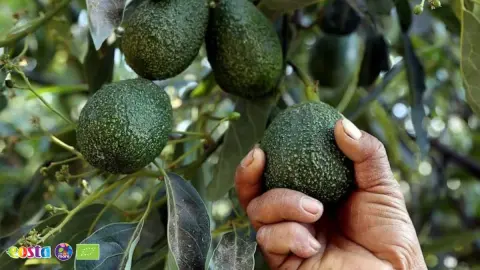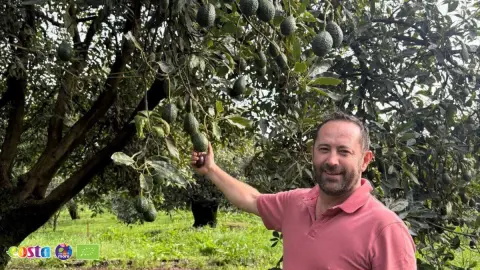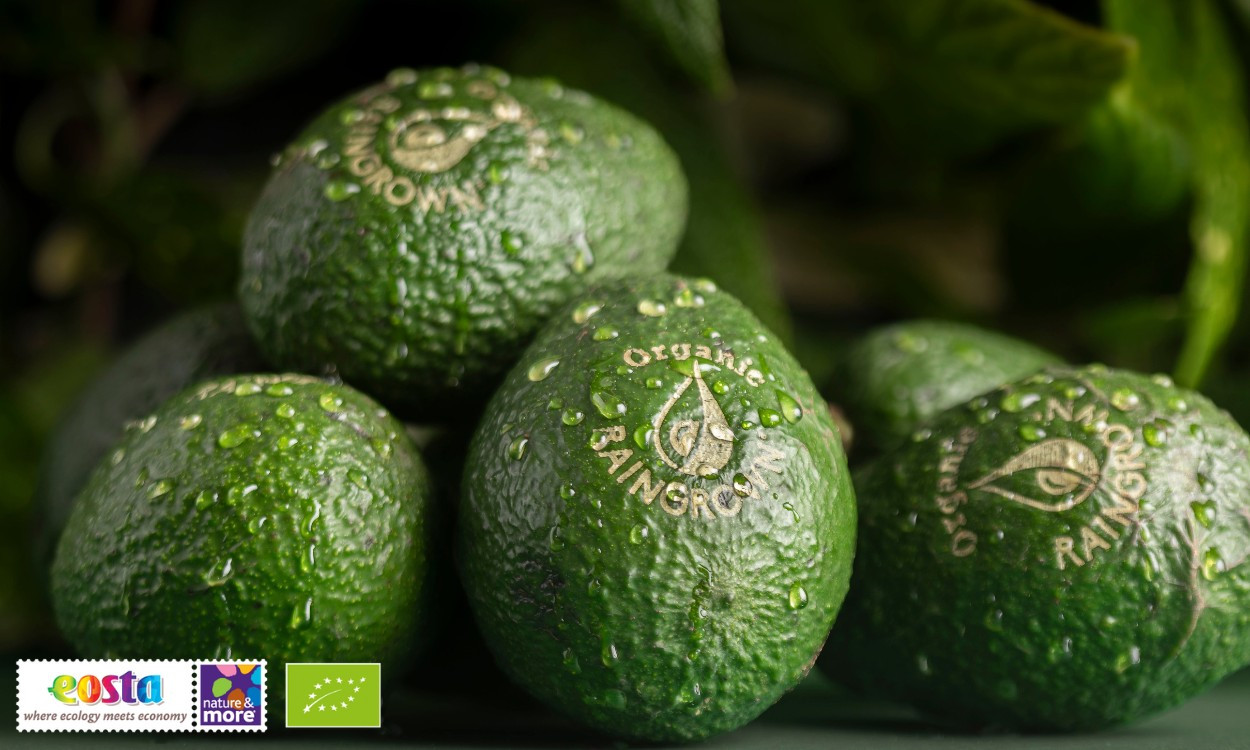
Avocado farming uses a lot of water. As clean freshwater sources are under pressure worldwide, excessive water use in agriculture is raising more and more questions. Eosta's answer to this is the Organic Raingrown Avocado. Avocado is a popular fruit and a growth market. The rainwater-grown avocado therefore contributes significantly to solving the water crisis
The growing shortage of clean drinking water is an issue that was high on the agenda of the recent UN Climate Conference COP29. Many people die due to a lack of clean drinking water, while the availability of clean water is one of the United Nations' 17 Sustainable Development Goals (SDGs). With a view to achieving the SDGs, a water working group was formed within Eosta, focusing on the sustainable use of water in agriculture. From this working group, the Organic Raingrown Avocado was introduced.
Natural rainwater
When growing avocados, artificial irrigation is usually administered. With rainwater-grown avocado, however, irrigation is unnecessary: the entire water requirement is covered by natural rainfall. In addition, organic agriculture does not use artificial fertilisers and pesticides, which are the biggest polluters of freshwater resources.
Eosta imports Organic Raingrown Avocados from countries like Kenya and Tanzania, where natural conditions are perfect for this approach. To keep the ecological footprint as small as possible, the avocados are transported to Europe by boat.
Avocado market is on the rise
The European avocado market is growing fast: from a size of two billion euros in 2024 to an expected three billion in 2029. The choice of organic, rainwater-grown avocados is thus creating increasing positive impact on people, nature and the environment.
Sustainable solution
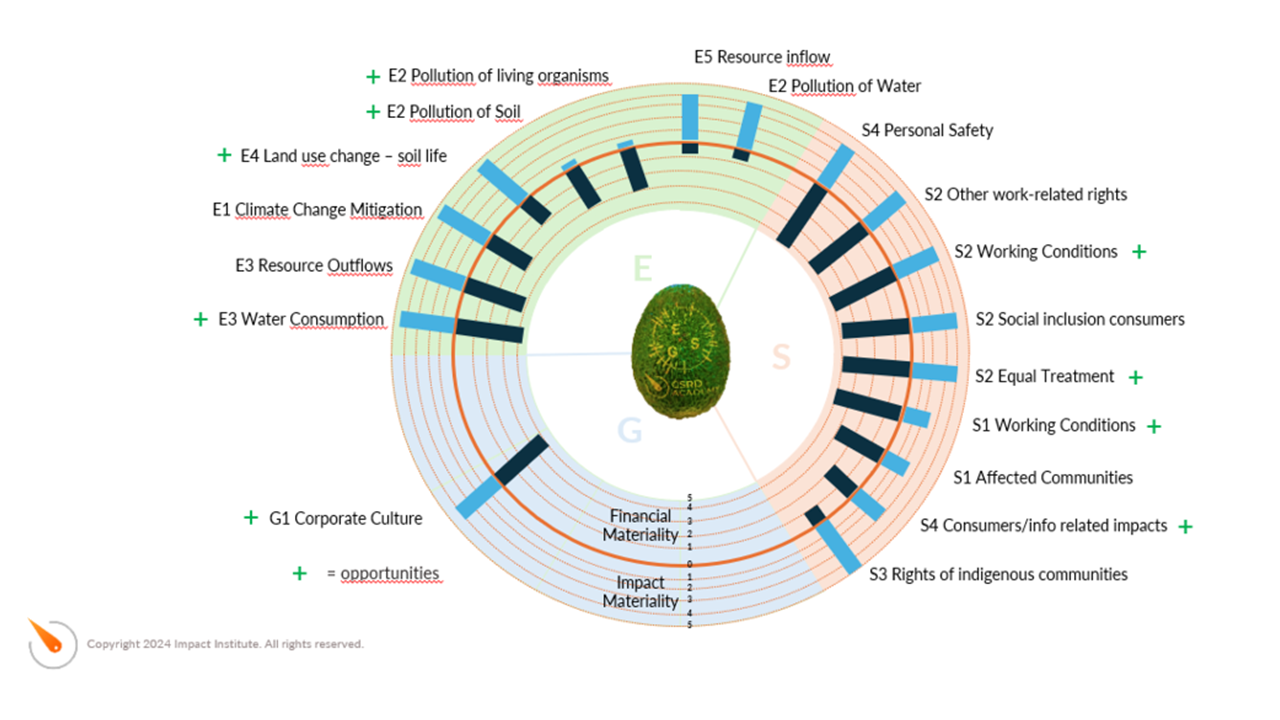
Organic Raingrown Avocado meets the highest sustainability standards, helping companies covered by the Corporate Sustainability Reporting Directive (CSRD) achieve their sustainability goals. Not only to make their offerings more sustainable, but also to back this up with valid data in their CSRD reporting.
Organic Raingrown Avocado also offers a positive solution for more conscious consumers. Some of them now do not buy avocados or buy fewer because of the negative environmental impact, for them the Organic Raingrown Avocado is a good alternative.
Watch the video
Eosta has developed a short animation video that catchily tells the story behind Organic Raingrown Avocado.
END OF PRESS RELEASE
First picture: (c) Margit Houtman Photography
Eosta, with Nature & More as its consumer brand and transparency system, is Europe's most awarded distributor of organic fruits and vegetables. Eosta is known for its sustainability campaigns such as Living Wages and True Cost of Food. The company won the Koning Willem I Plaque for Sustainable Entrepreneurship in 2018 and the European Business Award for the Environment in 2019. See also www.eosta.com and www.natureandmore.com
Photos press release & more information
The press release photos can be downloaded here.
For the information page on Organic Raingrown Avocado, click here.
Jeanine Somefun-Wolthuis
Sustainability & Marketing Manager
E: jeanine.somefun-wolthuis@eosta.com
T: +31 (0)180 63 55 51
M: +31 (0) 6 39 31 82 17