Diese Website verwendet Cookies

Dürfen wir Cookies verwenden, um Ihr Erlebnis noch besser zu machen? Wenn Sie “Akzeptieren” auswählen, teilen Sie uns mit, dass Sie mit allen Cookies einverstanden sind, wie in unserer Datenschutzerklärung erläutert.

Akzeptieren
ablehnen

How Genethica foundation contributes to sustainable production and consumption

1920 pesticides1


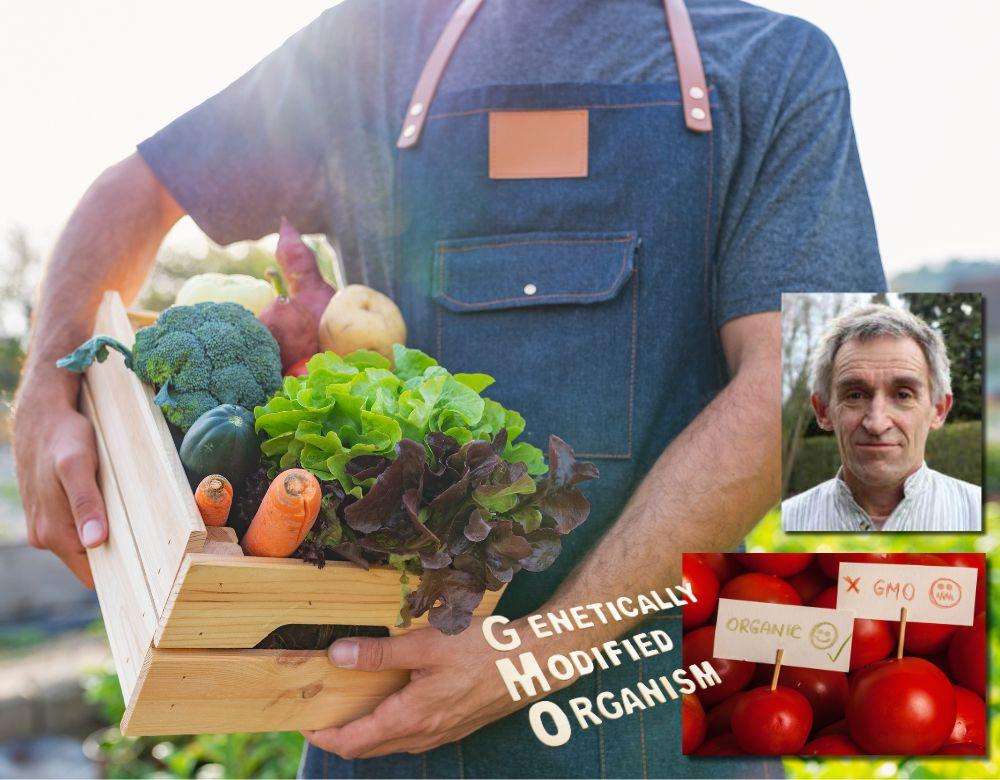
Last week we have had another inspiring lunch meeting at the Eosta office, regarding genetic engineering. Diederick Sprangers is managing director of the Genethica Foundation. He is a biochemist and expert in the field of genetic engineering. Stichting Genethica wants to contribute to a sustainable production and consumption of food, clothing and other consumer products. The focus is on the use of genetic engineering in these products. Stichting Genethica wants to promote clear thinking on this subject among social organizations, companies and governments, in other words 'common sense'. Clearly explaining things about biochemistry that affect people's daily lives.

Many people know by now that genetically modified soy, corn and other plants are used in our food. Many people seriously question the motives for this and its consequences. Food producers are reluctant to reveal that they use genetic engineering in our food: it is mainly in those products that do not fall under the obligation to inform consumers about genetic engineering through labeling. The European Commission and the Dutch government prioritize the "knowledge economy" over sustainable food production. That is the reason they have an indulgent policy on genetic engineering foods. Because that the criteria for its admission here would be so strict is only very partially true.

Diederick has been talking about will talk about the differences and similarities between the old and new GM (genetic modification) techniques, the risks of the new ones, and of course the recent EU proposal for deregulation. All with an eye on organic, nutrition, health, agriculture.

More information, click here

Neuigkeiten & Veröffentlichungen

Carpe Diem (1)

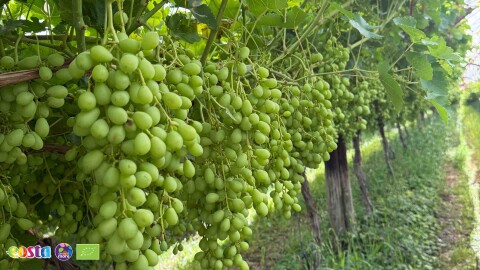
Bio-Trauben 2026/27: Rechtzeitig planen, Mengen sichern

Die Übersee-Traubensaison beginnt Mitte Dezember, doch die Planung startet bereits jetzt. Das Interesse an Bio-Trauben ist weiterhin groß, und unsere Erzeuger möchten rechtzeitig wissen, welche Mengen sie für feste Programme reservieren können. Durch die frühzeitige Abstimmung der Programme können wir die Bio-Mengen besser sichern und verfügen zudem über eine solidere Grundlage, um später wettbewerbsfähige Angebote zu unterbreiten. 

Carpe Diem (2)

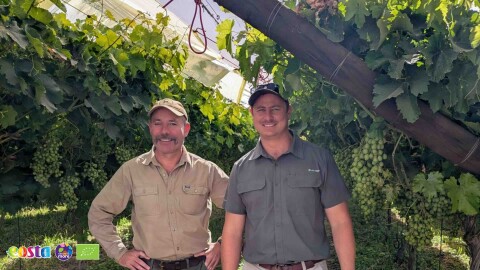
Carpe Diem: Die Qualität von Bio-Trauben beginnt im Boden

Am Oranjerivier in der Nordkap-Provinz Südafrikas liegt Carpe Diem, seit Jahren ein bewährter Partner für unsere Bio-Trauben. Inhaber Gog van der Colff übernahm den Familienbetrieb im Jahr 2000 und entschied sich 2006 bewusst für den biologischen Anbau. Was als ein Schritt begann, von dem zunächst nicht jeder überzeugt war, entwickelte sich zu einem fortschrittlichen Bio-Betrieb mit Trauben, Pekannüssen und Rosinen. 

Mango

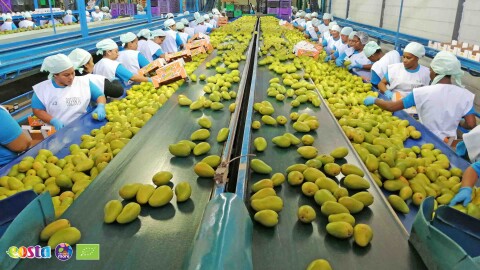
Mango-Ausblick: Peru knapper, Ecuador startet stark

El Niño hat in diesem Jahr einen deutlichen Einfluss auf die südamerikanische Mangosaison. Höhere Temperaturen und abweichende Niederschlagsmuster beeinflussen die Blüte und machen Verfügbarkeit und Erntezeitpunkte weniger vorhersehbar.

Copyright © Eosta | Webdesign: Pencilpoint - kreativ in Form & Inhalt