Ce site utilise des cookies

Pouvons-nous utiliser des cookies pour améliorer votre expérience ? En sélectionnant « Accepter », vous nous indiquez que vous acceptez tous les cookies, comme expliqué dans notre déclaration de confidentialité.

Accepter
déclin

How Genethica foundation contributes to sustainable production and consumption

1920 pesticides1


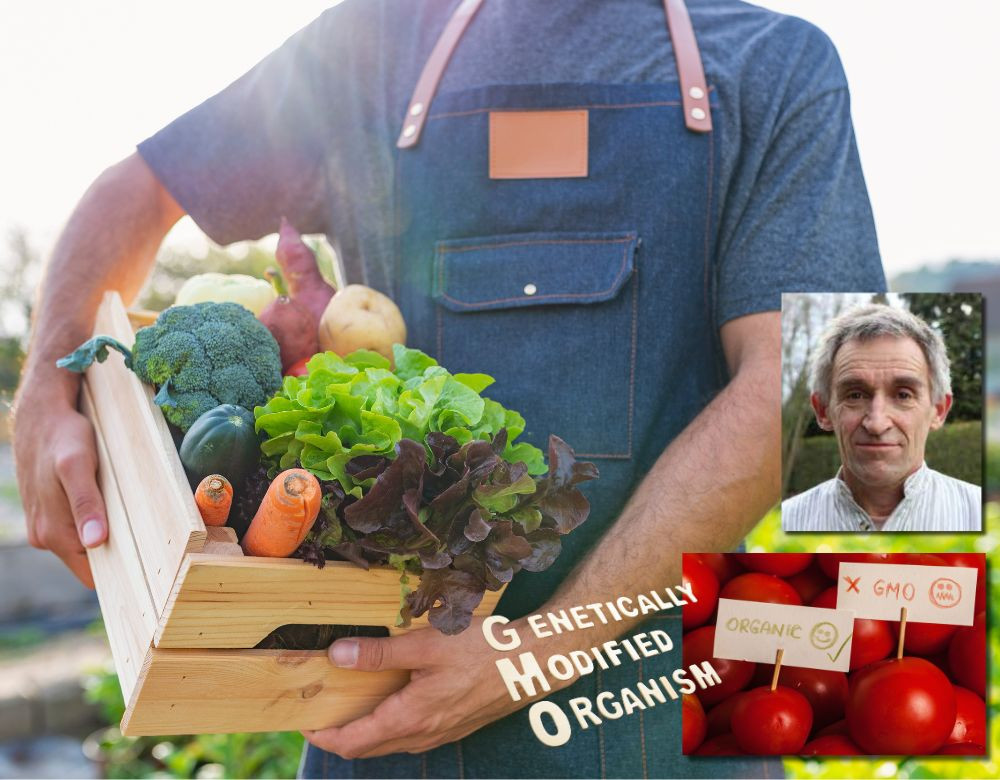
Last week we have had another inspiring lunch meeting at the Eosta office, regarding genetic engineering. Diederick Sprangers is managing director of the Genethica Foundation. He is a biochemist and expert in the field of genetic engineering. Stichting Genethica wants to contribute to a sustainable production and consumption of food, clothing and other consumer products. The focus is on the use of genetic engineering in these products. Stichting Genethica wants to promote clear thinking on this subject among social organizations, companies and governments, in other words 'common sense'. Clearly explaining things about biochemistry that affect people's daily lives.

Many people know by now that genetically modified soy, corn and other plants are used in our food. Many people seriously question the motives for this and its consequences. Food producers are reluctant to reveal that they use genetic engineering in our food: it is mainly in those products that do not fall under the obligation to inform consumers about genetic engineering through labeling. The European Commission and the Dutch government prioritize the "knowledge economy" over sustainable food production. That is the reason they have an indulgent policy on genetic engineering foods. Because that the criteria for its admission here would be so strict is only very partially true.

Diederick has been talking about will talk about the differences and similarities between the old and new GM (genetic modification) techniques, the risks of the new ones, and of course the recent EU proposal for deregulation. All with an eye on organic, nutrition, health, agriculture.

More information, click here

Nouvelles & communiqués

Limes

Les citrons verts marocains soulagent un marché bio tendu

Le marché des fruits bio continue de croître, et les citrons verts bio gagnent eux aussi en popularité. Cette évolution s’explique notamment par l’engouement pour les cocktails, les mocktails et les limonades maison, mais aussi à leur utilisation de plus en plus répandue dans les salades, les currys et de nombreux autres plats. Par ailleurs, les consommateurs sont de plus en plus attentifs aux agrumes cultivés sans pesticides de synthèse et non traités avec des fongicides après récolte.

Kivinaki

Kivinaki prêt pour la nouvelle saison des Organic Raingrown Oranges

À l’approche de la nouvelle saison des oranges bio, notre équipe sourcing s’est rendue chez Kivinaki, au Pérou Avec cette coopérative de producteurs, nous avons mis en place un programme d'exportation fructueux au cours des quatre dernières années. Lors de cette visite, nous avons préparé ensemble les mois à venir.

Pineapple

Un sol sain rend les ananas bio plus résilients

Au Costa Rica aussi, les effets du changement climatique sont de plus en plus visibles. Les fortes précipitations, en particulier, compliquent la culture de l’ananas bio et exigent une grande capacité d’adaptation de la part des producteurs.

Droit d’auteur © Eosta | Webdesign : Pencilpoint - créatif en forme & contenu