This year’s theme of the EU Green Week, which started yesterday, is Zero Pollution. Ursula von der Leyen’s and Frans Timmermans' Green Deal aims to reduce air, water and soil pollution to ZERO by 2050. In the run-up, the use of chemical pesticides must be reduced by 50% by 2030. A great cause. Eosta always likes to get ahead of the pack and is already offering “zero pollution” Argentinian apples from Nature & More grower Hugo Sanchez 30 years ahead of time. Customers can use tickers and True Cost data to share the positive impact of these organic apples with consumers.
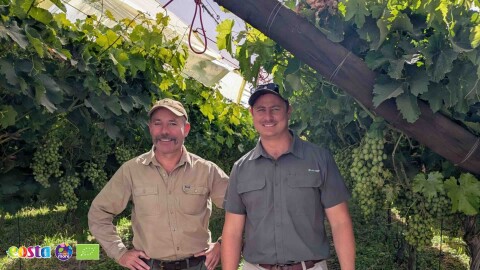
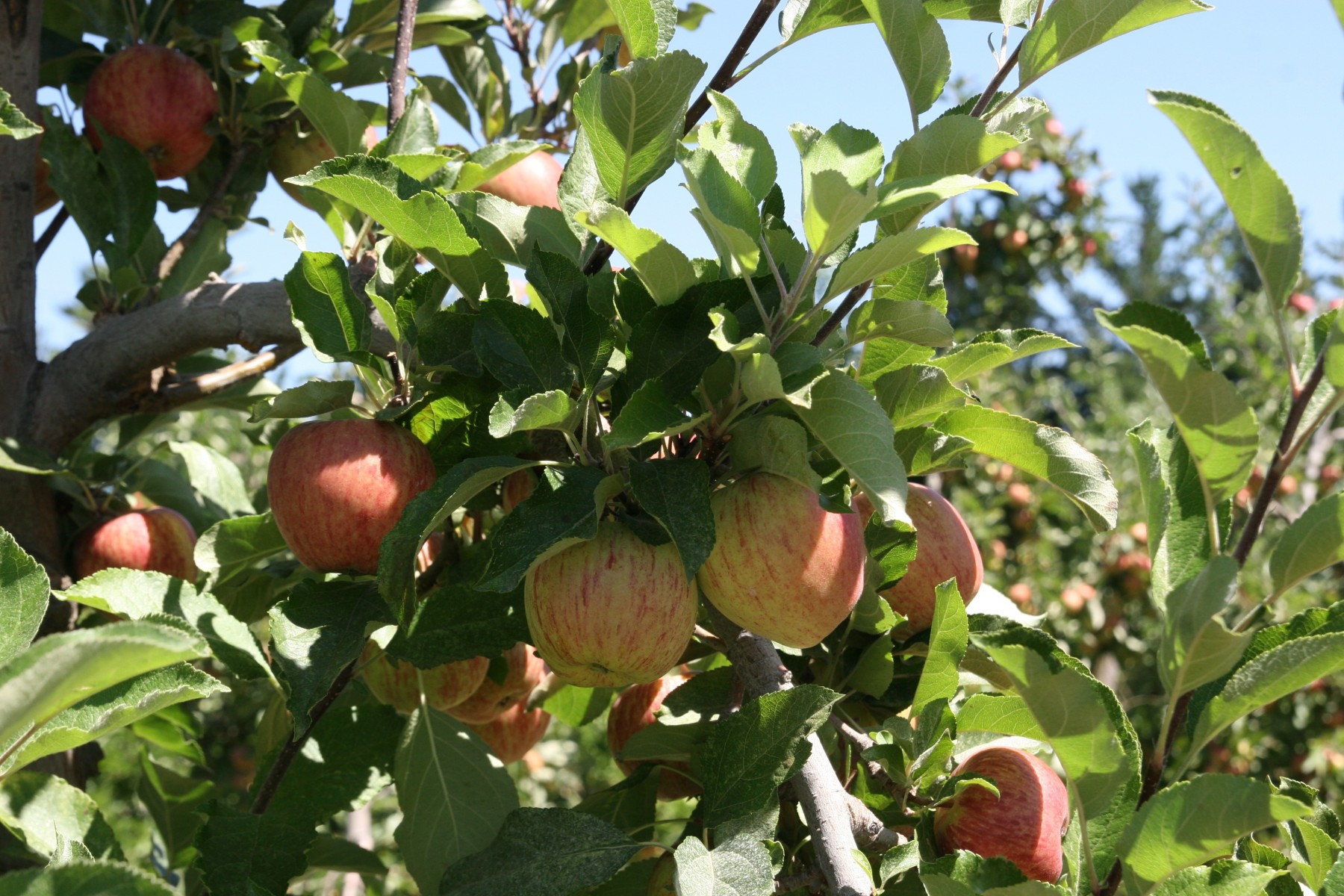
Royal Gala and Cripps Pink apples from Argentinian growers Hugo and Nicolas Sanchez are unsprayed and meet the EU standards for 2030, and even those for 2050. This makes them super healthy.
19 cents per kg healthier
Accountancy EY, using True Cost Accounting, calculated that these apples are in fact 19 euro cents per kilo healthier than conventional apples, purely because of the difference in pesticide use. The number is based on the value of productive time that would otherwise be lost to illness (measured in DALYs). Zero pollution also applies to the clean soil, water and air in the Argentinian apple orchards.
Ecological and social impact
The apples of the Sanchez family are grown in a sunny, dry climate, which means that fungal diseases are not a concern, so the growers can work without pesticides. Although the apples are brought to Europa from far, the energy use of efficient boat transport is still less than the energy of months of storage. In addition there is a positive social impact on the local Mapuche population and a positive impact on water, soil and biodiversity. On the Nature & More grower page of the Sanchez family you can find more information.
Europe is changing fast
Currently there is a strong movement across Europe to stop pesticide pollution and force companies to take environmental and social responsibility. Some inspiring examples:
- Switzerland will vote in a referendum on June 13 on a total ban on chemical pesticides.
- Germany is working on a Duty of Care law for large companies (Sorgfaltspflichtengesetz) that will come into effect on January 1, 2023.
- The Dutch parliament passed several motions on 20 May to support organic farming and reduce pollution.
- On May 26, the Dutch court ordered Shell to reduce its CO2 emissions (based on the Duty of Care principle).
- The EU makes it mandatory for large companies to report on their Sustainability Impact from 2023 onwards (Corporate Sustainability Reporting Directive).
POS materials available
Eosta has been taking its responsibility since 1990 by opting for 100% organic farming. Using the Sustainability Flower metric and True Cost Accounting, we measure, manage, market and monetise the ecological and social impact of our products. Eosta is happy to provide its customers with POS materials, tags and tickers to make this impact transparent and visible for consumers.
About Eosta / Nature & More
Eosta, with Nature & More as its consumer brand and transparency system, is Europe’s most awarded distributor of organic fruit and vegetables. Eosta is known for its sustainability campaigns such as Living Wages, True Cost of Food and Dr. Goodfood. In 2018, the company won the King William I Plaque for Sustainable Entrepreneurship and in 2019 the European Business Award for the Environment. See also www.eosta.com and www.natureandmore.com.
END OF PRESS RELEASE
Contact and images:
Monique Mooij, Marketing Coordinator
E: monique.mooij@eosta.com
Marie-Ange Vaessen, Marketing Manager
E: marie-ange.vaessen@eosta.com
Telephone: +31 (0)180 63 55 500