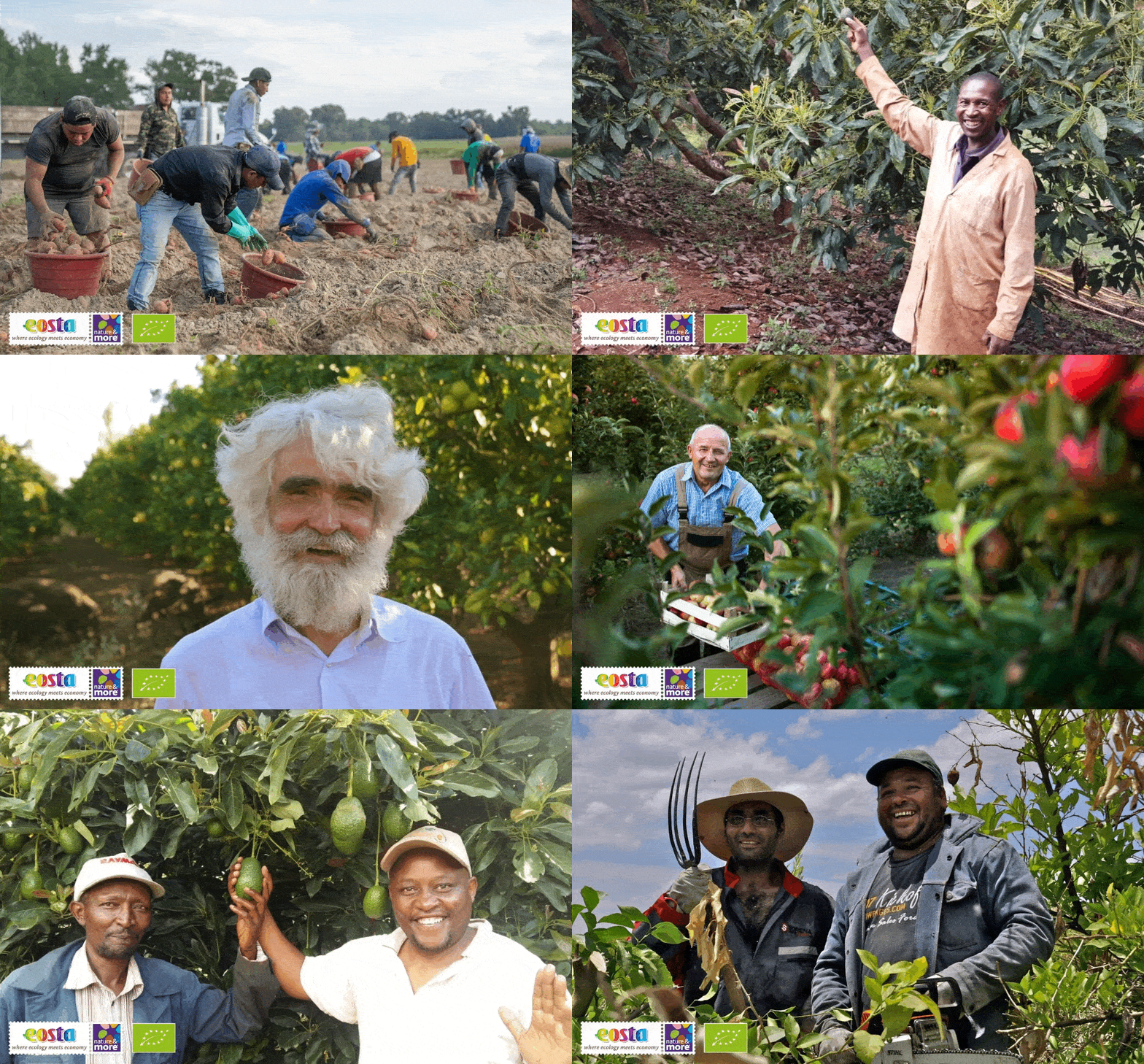
From 1 January 2025, the new rules for group certification under the EU organic regulation will also apply to small producers worldwide. This adjustment will have important implications for small organic farmers and their market.
Key rule changes
Introduction of a maximum group size
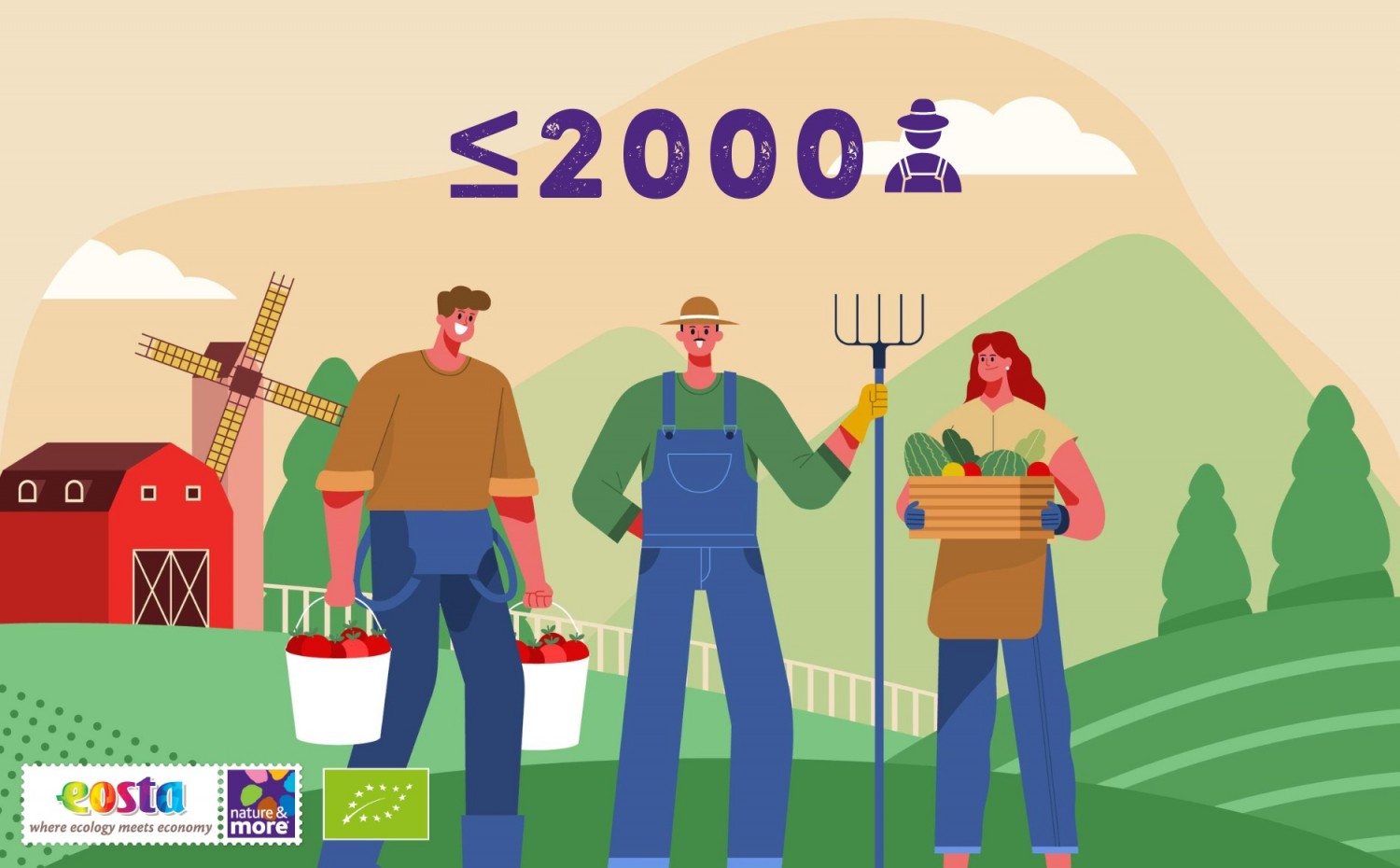
Until now, there was no maximum group size set, which in theory allowed organic groups to have an unlimited number of members. The new regulations will change this, introducing a 2,000-member limit for the first time.
The original proposal suggested a limit of 500 members. This number was later revised to 2,000. This increase especially helps small-scale farmers in developing countries who often work together in large groups to share the costs of internal controls and certification.
Land area and turnover
Within a certified group, farmers' individual farm size must not exceed 5 hectares, or the farmer must meet another financial condition: his organic turnover must be less than €25,000 per year, or certification costs must exceed 2% of annual turnover. Many small farmers, especially in developing countries, have 1 to 2 hectares of land on average, which leaves them eligible for the benefits of group certification.
However, the 5-hectare limit can be a challenge for several of our growers. Although many of our growers have smaller plots, there are some growers who exceed the 5-hectare limit. This also applies to a number of growers working in cooperatives. So this change in regulations may affect a wider group than originally thought.
Geographical proximity and product homogeneity
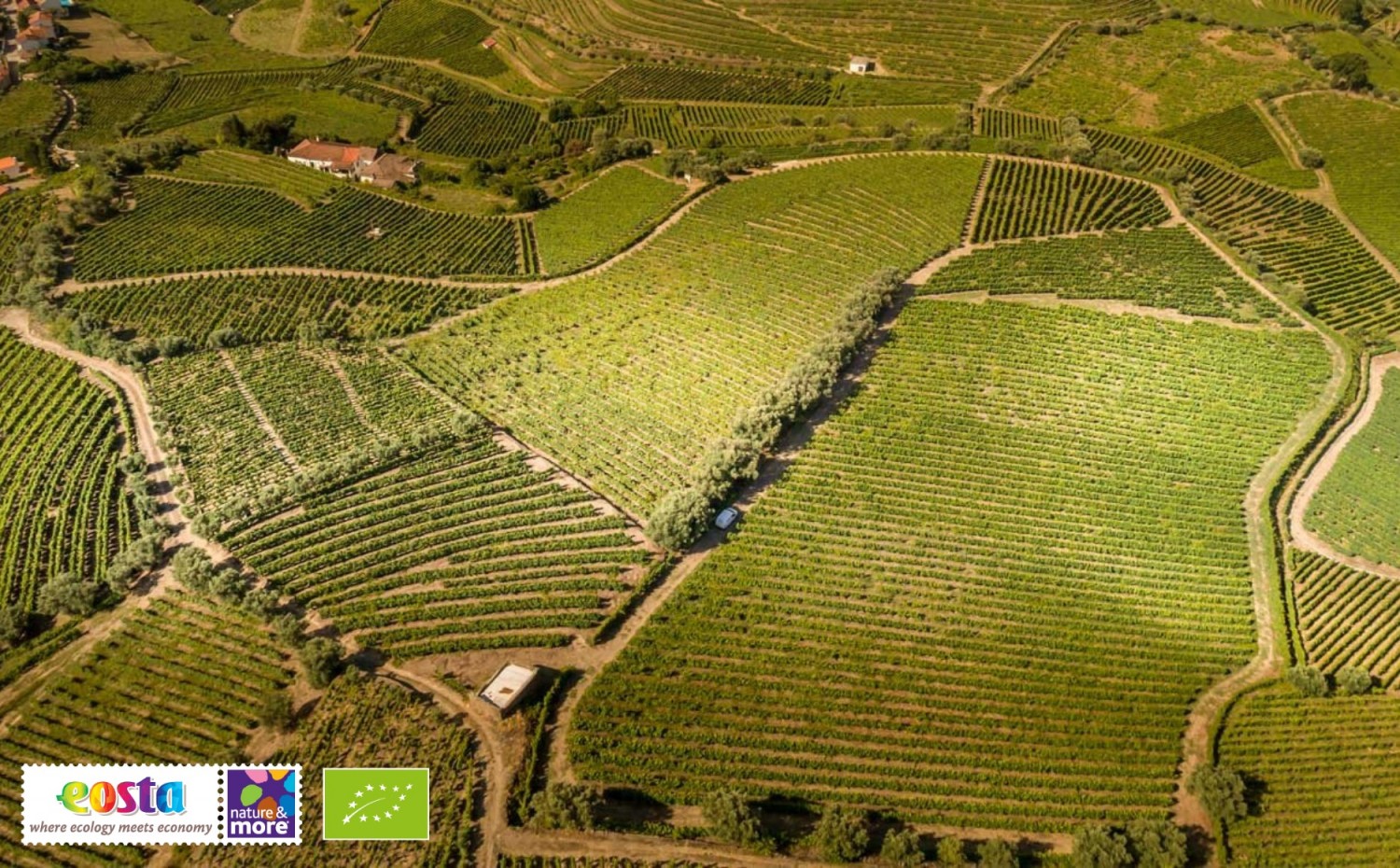
Members of a group should be geographically close to each other and have homogeneous production methods. This ensures that internal controls remain feasible within the group and contributes to compliance with EU standards without unnecessarily increasing costs.
Strengthening Internal Control Systems (ICS)
The ICS provides an essential basis for certifying groups. Each group member must undergo an annual internal inspection, and all inspections are recorded in a documentation system. External inspections remain mandatory and must cover at least 5% of group members per year to ensure system reliability.
Implications for small producers
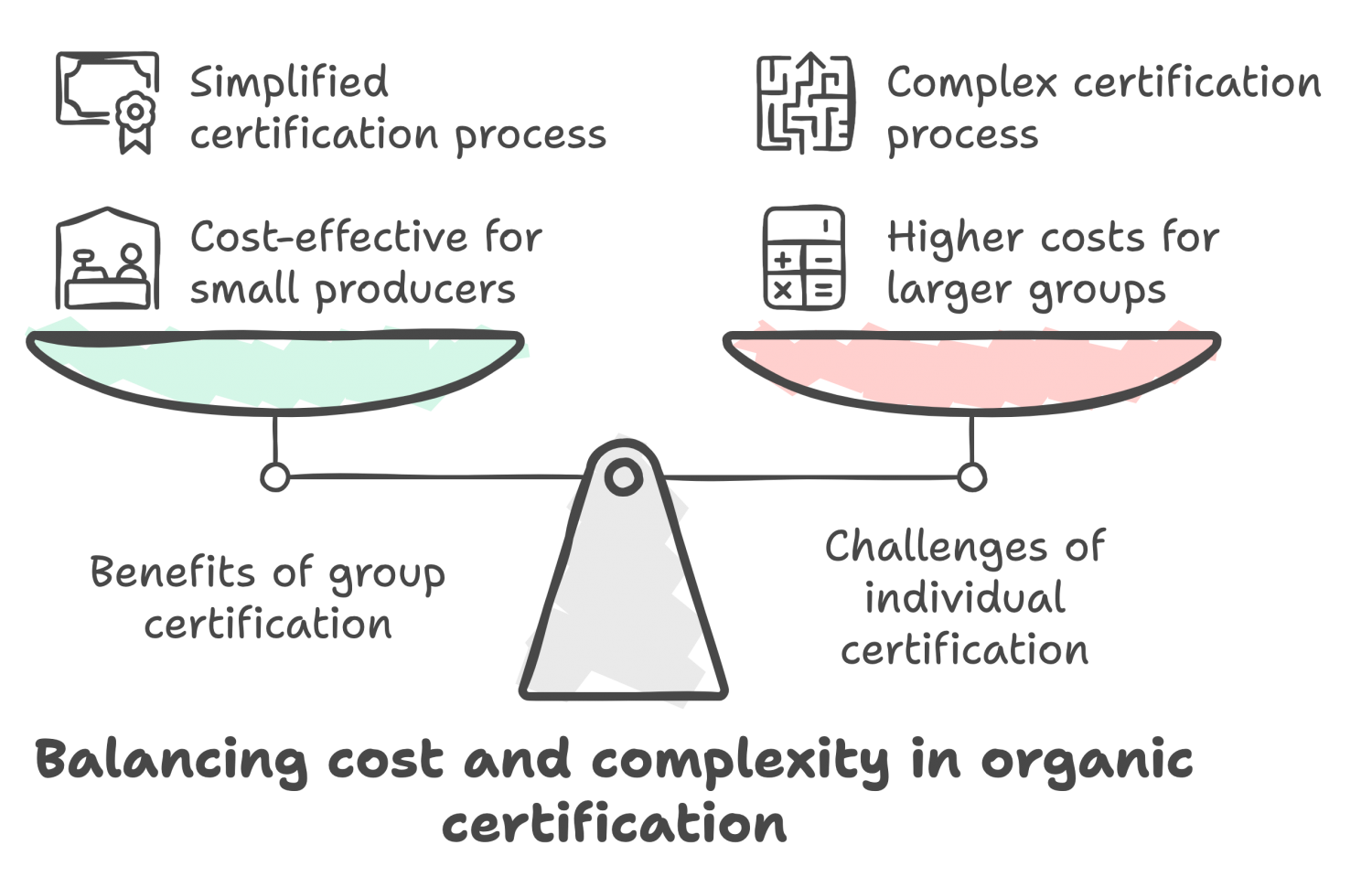
The introduction of a maximum group size and stricter requirements means that some producers can no longer remain certified within large groups.
This could lead to higher costs for producers who fall outside these limits and have to be certified individually, which could be financially challenging for many. Group certification was intended precisely to ease these burdens, and its loss could limit access to the organic market for some of the smaller farmers.
Conclusion
The new rules bring both benefits and challenges to the organic sector. Thanks to lobbying, the group limit has been increased to 2,000 members, allowing many small producers to remain certified without splitting into smaller groups and incurring additional costs. However, for farmers with larger land areas or for groups exceeding the 2000-member limit, the risk of higher costs through individual certification is real. This could put pressure on their position in the organic sector.