Diese Website verwendet Cookies

Dürfen wir Cookies verwenden, um Ihr Erlebnis noch besser zu machen? Wenn Sie “Akzeptieren” auswählen, teilen Sie uns mit, dass Sie mit allen Cookies einverstanden sind, wie in unserer Datenschutzerklärung erläutert.

Akzeptieren
ablehnen

Focus on UN Agenda 2030 and SDGs | World Organic Forum


Last week, the 5th World Organic Forum took place in Germany. The focus was on the local implementation of the UN Agenda 2030 with its 17 Sustainable Development Goals (SDGs). Prominent guests such as Vandana Shiva and Ernst Ulrich von Weizsäcker, have provided information on these topics and have identified solutions.

A selection of the specific points that have been addressed: 

  • How can the 17 goals be successfully implemented in rural regions through a bottom-up movement? 
  • What are the opportunities and added values of organic agriculture for implementing the SDGs in regions of the world?
  • What potential do communities of strong women, regenerative agrarian culture and new approaches to climate-friendly agriculture offer for anchoring the SDGs in everyday life on the ground?

During key notes, panel discussions and in interactive workshops, a common exchange of knowledge and experiences took place. The aim of the World Organic Forum is to promote the local anchoring of the Sustainable Development Goals in a practice-oriented way. Source: organic-market.info

At Eosta we have an interesting report for you: Part Of The Solution - Organic Agriculture and the Sustainable Development Goals. Since organic farmers all around the world refrain from using harmful agrochemicals and work as much as possible in harmony with nature, it is clear that these heroes can be seen as part of the solution. As this report proves, it is essential that we switch to more sustainable farming practices like organic. Download the Organic & SDG report here.


Neuigkeiten & Veröffentlichungen

Carpe Diem (1)

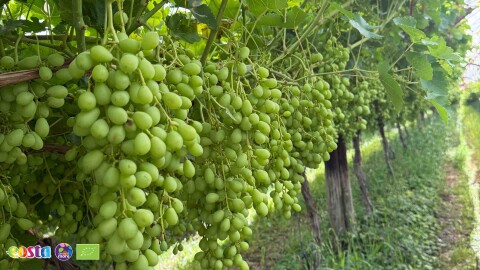
Bio-Trauben 2026/27: Rechtzeitig planen, Mengen sichern

Die Übersee-Traubensaison beginnt Mitte Dezember, doch die Planung startet bereits jetzt. Das Interesse an Bio-Trauben ist weiterhin groß, und unsere Erzeuger möchten rechtzeitig wissen, welche Mengen sie für feste Programme reservieren können. Durch die frühzeitige Abstimmung der Programme können wir die Bio-Mengen besser sichern und verfügen zudem über eine solidere Grundlage, um später wettbewerbsfähige Angebote zu unterbreiten. 

Carpe Diem (2)

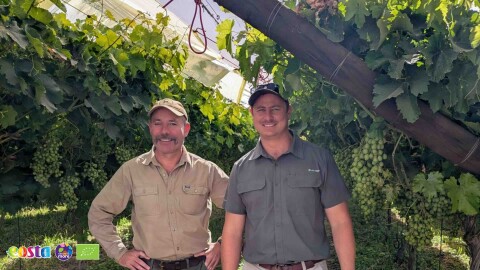
Carpe Diem: Die Qualität von Bio-Trauben beginnt im Boden

Am Oranjerivier in der Nordkap-Provinz Südafrikas liegt Carpe Diem, seit Jahren ein bewährter Partner für unsere Bio-Trauben. Inhaber Gog van der Colff übernahm den Familienbetrieb im Jahr 2000 und entschied sich 2006 bewusst für den biologischen Anbau. Was als ein Schritt begann, von dem zunächst nicht jeder überzeugt war, entwickelte sich zu einem fortschrittlichen Bio-Betrieb mit Trauben, Pekannüssen und Rosinen. 

Mango

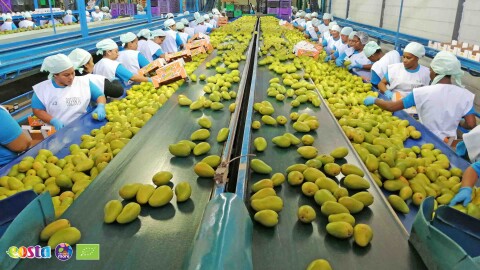
Mango-Ausblick: Peru knapper, Ecuador startet stark

El Niño hat in diesem Jahr einen deutlichen Einfluss auf die südamerikanische Mangosaison. Höhere Temperaturen und abweichende Niederschlagsmuster beeinflussen die Blüte und machen Verfügbarkeit und Erntezeitpunkte weniger vorhersehbar.

Copyright © Eosta | Webdesign: Pencilpoint - kreativ in Form & Inhalt