Ce site utilise des cookies

Pouvons-nous utiliser des cookies pour améliorer votre expérience ? En sélectionnant « Accepter », vous nous indiquez que vous acceptez tous les cookies, comme expliqué dans notre déclaration de confidentialité.

Accepter
déclin

Focus on UN Agenda 2030 and SDGs | World Organic Forum


Last week, the 5th World Organic Forum took place in Germany. The focus was on the local implementation of the UN Agenda 2030 with its 17 Sustainable Development Goals (SDGs). Prominent guests such as Vandana Shiva and Ernst Ulrich von Weizsäcker, have provided information on these topics and have identified solutions.

A selection of the specific points that have been addressed: 

  • How can the 17 goals be successfully implemented in rural regions through a bottom-up movement? 
  • What are the opportunities and added values of organic agriculture for implementing the SDGs in regions of the world?
  • What potential do communities of strong women, regenerative agrarian culture and new approaches to climate-friendly agriculture offer for anchoring the SDGs in everyday life on the ground?

During key notes, panel discussions and in interactive workshops, a common exchange of knowledge and experiences took place. The aim of the World Organic Forum is to promote the local anchoring of the Sustainable Development Goals in a practice-oriented way. Source: organic-market.info

At Eosta we have an interesting report for you: Part Of The Solution - Organic Agriculture and the Sustainable Development Goals. Since organic farmers all around the world refrain from using harmful agrochemicals and work as much as possible in harmony with nature, it is clear that these heroes can be seen as part of the solution. As this report proves, it is essential that we switch to more sustainable farming practices like organic. Download the Organic & SDG report here.


Nouvelles & communiqués

Carpe Diem (1)

Raisins bio 2026/27 : sécurisez vos volumes

La saison des raisins d’outre-mer débute mi-décembre, mais la planification commence dès maintenant. La demande de raisins bio reste forte et nos producteurs souhaitent savoir suffisamment tôt quels volumes réserver pour leurs programmes. En définissant les programmes en amont, nous pouvons mieux sécuriser les volumes bio et disposer d’une base plus solide pour proposer ensuite des offres compétitives.

Carpe Diem (2)

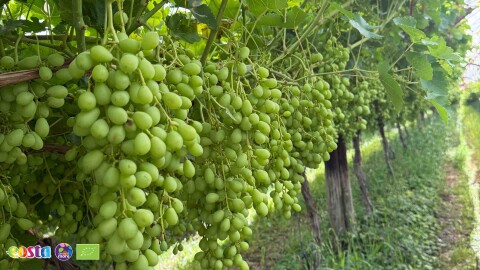
Carpe Diem : la qualité des raisins bio commence par le sol

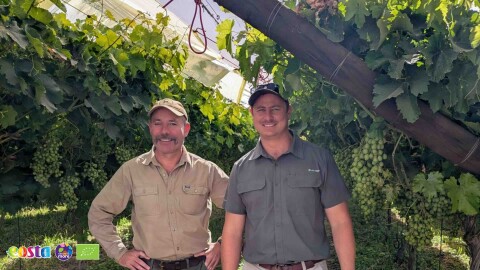
Situé au bord de la rivière Oranje, dans la province du Cap-Nord en Afrique du Sud, Carpe Diem est depuis de nombreuses années un partenaire de confiance pour nos raisins biologiques. Son propriétaire, Gog van der Colff, a repris l’entreprise familiale en 2000 et a délibérément opté pour la culture biologique en 2006. Ce qui a commencé comme une initiative qui n’a pas convaincu tout le monde au départ s’est transformé en une exploitation biologique avant-gardiste produisant des raisins, des noix de pécan et des raisins secs.

Mango

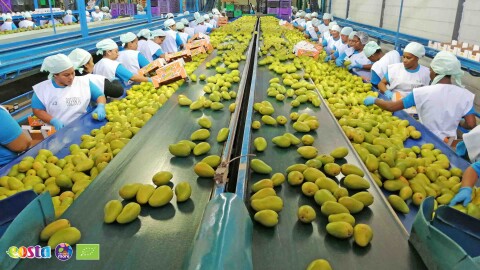
Mangues bio : moins d’offre au Pérou, bon départ en Équateur

Cette année, El Niño a clairement un impact sur la saison des mangues en Amérique du Sud. Des températures plus élevées et des régimes pluviométriques inhabituels affectent la floraison et rendent la disponibilité et les dates de récolte moins prévisibles.

Droit d’auteur © Eosta | Webdesign : Pencilpoint - créatif en forme & contenu