Eosta’s Living Wage avocado program adds new growers
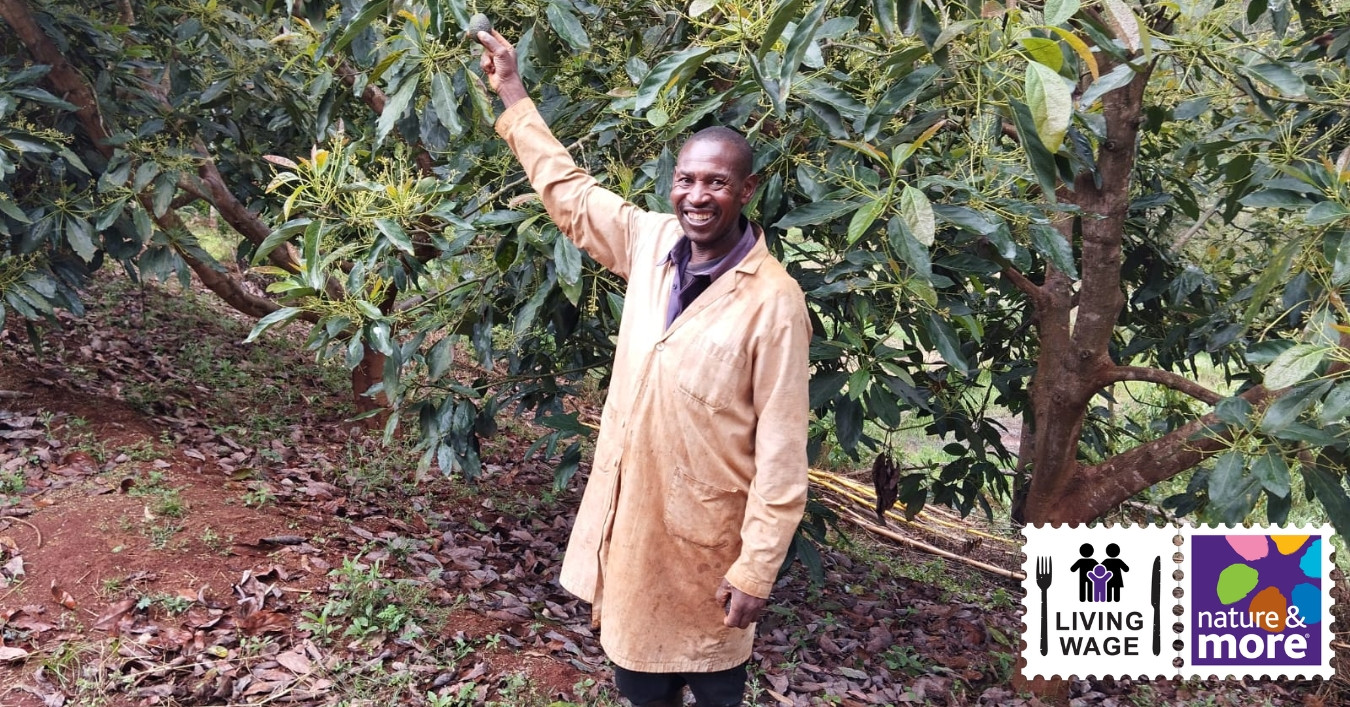
Waddinxveen, 16th October 2023 - Thanks to a Dutch initiative, the employees of Kenyan avocado grower Fairtrade Enterprises have seen a structural wage increase of 41% and are now receiving free health insurance. Last season, Eosta, importer and distributor of organic fruits and vegetables, added the Kenyan supplier to its unique Living Wage program which has been running since 2019. Eosta is the only European importer who sells avocados with a Living Wage inclusive price. Gert Jan Lieffering, quality & development manager at Eosta: "We believe firmly that Living Wages are an indispensable element in any sustainability strategy. You cannot create sustainability without fighting poverty."
About Living Wage A Living Wage is defined as a wage that supports a decent standard of living for the worker and her or his family. This includes basis needs like food, clothing and decent housing, but also education, healthcare, and money to save for unexpected life events. A Living Wage is not the same as a minimum wage, because in many countries the legal minimum is much lower than a Living Wage. Nearly 1 in 5 workers globally earn too little to lift themselves and their families out of extreme poverty. Living Wage can help break the cycle of poverty, build healthy local economies and encourage equality in societies, while improving business performance and profitability. The time for Living Wages and Living Incomes is now.
Positive changes for both growers and workers How does it work for Kenyan avocado’s? Per kg of organic avocado sold, 2 cent is set aside to improve the income position of growers and workers involved in the value chain. By just taking this small step, wages can be increased to a Living Wage level. For Fairtrade Enterprises, the first year has already resulted in concrete positive changes for both grower and workers in terms of a structural wage increase and a health insurance.
The need for health insurance Health insurance is not a given for many families in Kenya. This often results in painful situations where a worker cannot pay for a family member's medical care, resulting in debts and high interest costs. As a result, people quickly end up in a poverty cycle.
Through the Living Wage premium, health insurance is paid for growers and their families, in addition to a pay rise. This protects families from financial ruin in case of hospitalization.
The gap between minimum wage and living wage People working in the supply chains of our food, flowers and clothing often earn a minimum wage, which is below a living wage. Eosta charts these data and takes action where inequalities are still prevalent. Kenya is one of our focus areas. For the employees of Fairtrade Enterprises, this resulted in a structural wage increase of 41%. This is a big step forward, but still below the living wage limit. Eosta continues to work on this theme until everyone we work with has the prospect of a living wage.
Our two cents Join us on our journey to support better income for both growers and their workers. Our Living Wage assessment shows that it will cost only 2 eurocents per kg of avocados to increase the wages to Living Wage level. Eosta's Living Wage initiative is a testament to the company mission to create a more equitable and sustainable food system. Eosta is making a significant impact on the lives of Kenyan avocado growers and workers, setting a new standard for ethical business practices.
See also: www.livingwage.eu
END OF PRESS RELEASE
About Eosta / Nature & More
Eosta, with Nature & More as its consumer brand and transparency system, is Europe's most rewarded distributor of fresh organic fruits and vegetables. Eosta is known for its sustainability campaigns such as Living Wages, True Cost of Food and Dr. Goodfood. The company won the Koning Willem I Plaque for Sustainable Entrepreneurship in 2018 and the European Business Award for the Environment in 2019. See alsowww.eosta.com and www.natureandmore.com.
Contact:
Gert-Jan Lieffering, Quality and Development
E: gertjan.lieffering@eosta.com
Telefoon: +31 (0)180 63 55 64