Last season, most European retailers shied away from it: putting Living Wage Mangoes up for sale. But German and Austrian shopkeepers were braver: "So it costs a little more, but the workers in Africa receive a Living Wage for it? We're in!" Luckily, consumers turned out to be enthusiastic. More than 100 tonnes of organic Living Wage mangoes were sold through only a few points of sale. And the result: the amount raised now closes 40% of the wage gap of Zongo Adama's warehouse workers in Burkina Faso. Eosta now has new plans for Living Wage avocados.
Gert-Jan Lieffering, Quality Manager at Eosta, defines a Living Wage. "In a nutshell, it’s a wage with which a family can not only survive, but also build a life. Social labels guarantee a minimum wage, but in poor countries the minimum wage is much lower than an actual Living Wage. For fruit without a social label, even the minimum wage is questionable. In fact, we are the first supplier in Europe to bring a product to the market that makes Living Wages possible."
In order to be able to supply Living Wage mangoes, Eosta carried out research at its mango supplier Fruiteq in Burkina Faso, which employs approximately 100 warehouse workers and a varying number of harvesters. The study showed that around 10 euro cents per kilo of mangoes are needed to close the gap for a Living Wage for all employees - if the entire export to Europe can be sold as such.
2020 had a fantastic start. Account Manager Leonard de Hoog sold over one hundred thousand kilos of organic Living Wage mangoes through retailers in Germany and Austria over the summer. That is five full containers. "Fruiteq is happy with the result," says Leonard de Hoog. "We're really setting a new standard in fairly supplied food. Burkina Faso has been hit hard economically by the pandemic, so this is a nice boost."
In consultation with the employees of Fruiteq, it has now been decided to use the initial amount collected in a way that allows them to improve their income throughout the year. Gert-Jan Lieffering explains: "The warehouse workers only work for Fruiteq for twelve weeks a year. They need other income for the rest of the year, preferably in the form of a small business of their own. In Burkina Faso, borrowing money for a start-up is difficult and expensive. This is why, at their request, we are using the money as a fund for interest-free microcredit. The money is therefore rotating, creating a sustainable catalyst that can help more people."
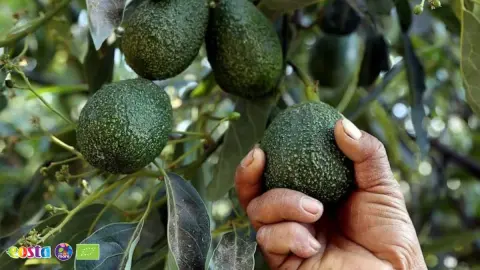
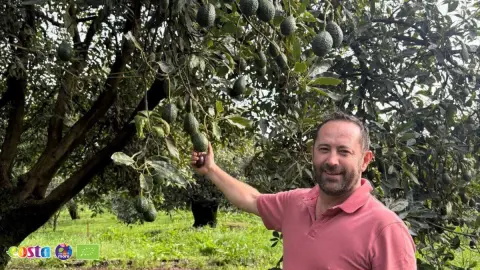
The goal remains to close the Living Wage gap and Gert-Jan is confident that this will succeed. "Next season we hope to sell even more mangoes and we're going to take some new steps. In the longer term, the market must develop the confidence to commit itself to Living Wage inclusive pricing. In spring we will continue with mangoes and Living Wage avocados from Kenya. We are currently discussing this with German retailers."
The website www.livingwage.eu has more information about Eosta's Living Wage projects. The complete research report at Fruiteq SARL can also be downloaded here.