Ce site utilise des cookies

Pouvons-nous utiliser des cookies pour améliorer votre expérience ? En sélectionnant « Accepter », vous nous indiquez que vous acceptez tous les cookies, comme expliqué dans notre déclaration de confidentialité.

Accepter
déclin

Overseas Pears & Plums Update

1920 delaypearplum


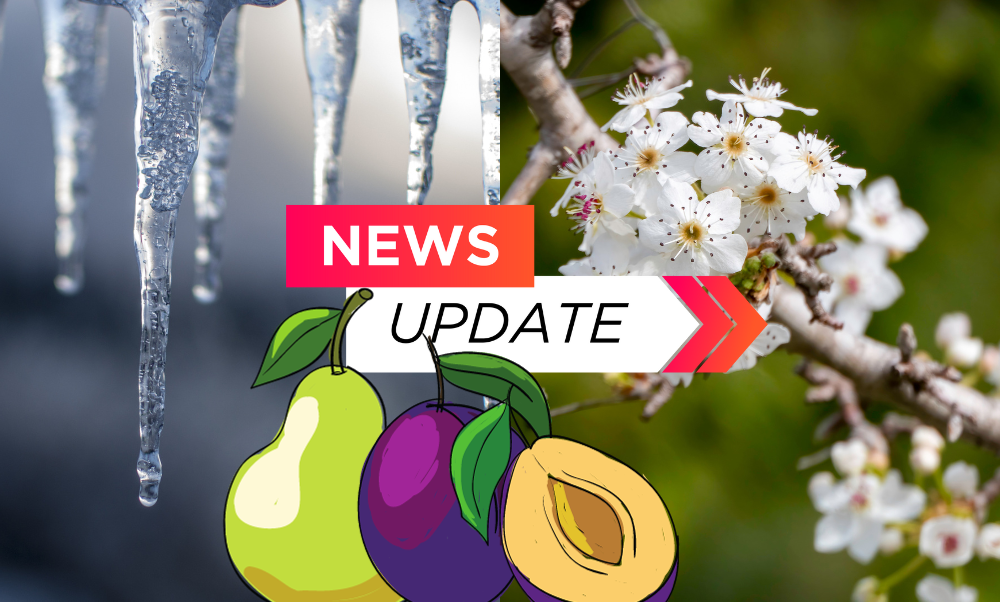
The pear season faced a setback due to a delayed flowering period caused by a late winter, impacting the subsequent spring season. This delay has resulted in smaller fruits, leading to a reduction in the exportable kilograms available due to the diminished harvest.

Exporters are optimistic that delaying the harvest by one or two weeks may help improve fruit sizes. The harvest and initial packaging are now scheduled to commence in week 4. The anticipated arrival of the first Williams pears in Europe is set for week 9. Similarly, the first plums harvest is also projected to begin in week 9, slightly behind the initial schedule.

Unfortunately, some farms in General Roca and Valle Medio (Chimpay) experienced significant damage from severe storms, including hail, exacerbating the challenges and further diminishing the exportable supply.

Exporters are actively seeking improved prices, taking into account the reduced availability of kilograms and the prevalent political and economic challenges facing Argentina. Since the assumption of office by the new Argentinian President last December, the implementation of various policies has significantly impacted the economic landscape and business forecasts. Notably, the substantial devaluation of the peso and persistent inflation exceeding 20% per month have posed considerable challenges for exporters. Procuring essential supplies has become a major hurdle, placing a strain on their cash flows. 

The industry hopes for understanding from the market, considering the hurdles faced by exporters, and envisions a positive response that reflects an improved value of Pears and Plums in these challenging times.

Nouvelles & communiqués

Limes

Les citrons verts marocains soulagent un marché bio tendu

Le marché des fruits bio continue de croître, et les citrons verts bio gagnent eux aussi en popularité. Cette évolution s’explique notamment par l’engouement pour les cocktails, les mocktails et les limonades maison, mais aussi à leur utilisation de plus en plus répandue dans les salades, les currys et de nombreux autres plats. Par ailleurs, les consommateurs sont de plus en plus attentifs aux agrumes cultivés sans pesticides de synthèse et non traités avec des fongicides après récolte.

Kivinaki

Kivinaki prêt pour la nouvelle saison des Organic Raingrown Oranges

À l’approche de la nouvelle saison des oranges bio, notre équipe sourcing s’est rendue chez Kivinaki, au Pérou Avec cette coopérative de producteurs, nous avons mis en place un programme d'exportation fructueux au cours des quatre dernières années. Lors de cette visite, nous avons préparé ensemble les mois à venir.

Pineapple

Un sol sain rend les ananas bio plus résilients

Au Costa Rica aussi, les effets du changement climatique sont de plus en plus visibles. Les fortes précipitations, en particulier, compliquent la culture de l’ananas bio et exigent une grande capacité d’adaptation de la part des producteurs.

Droit d’auteur © Eosta | Webdesign : Pencilpoint - créatif en forme & contenu